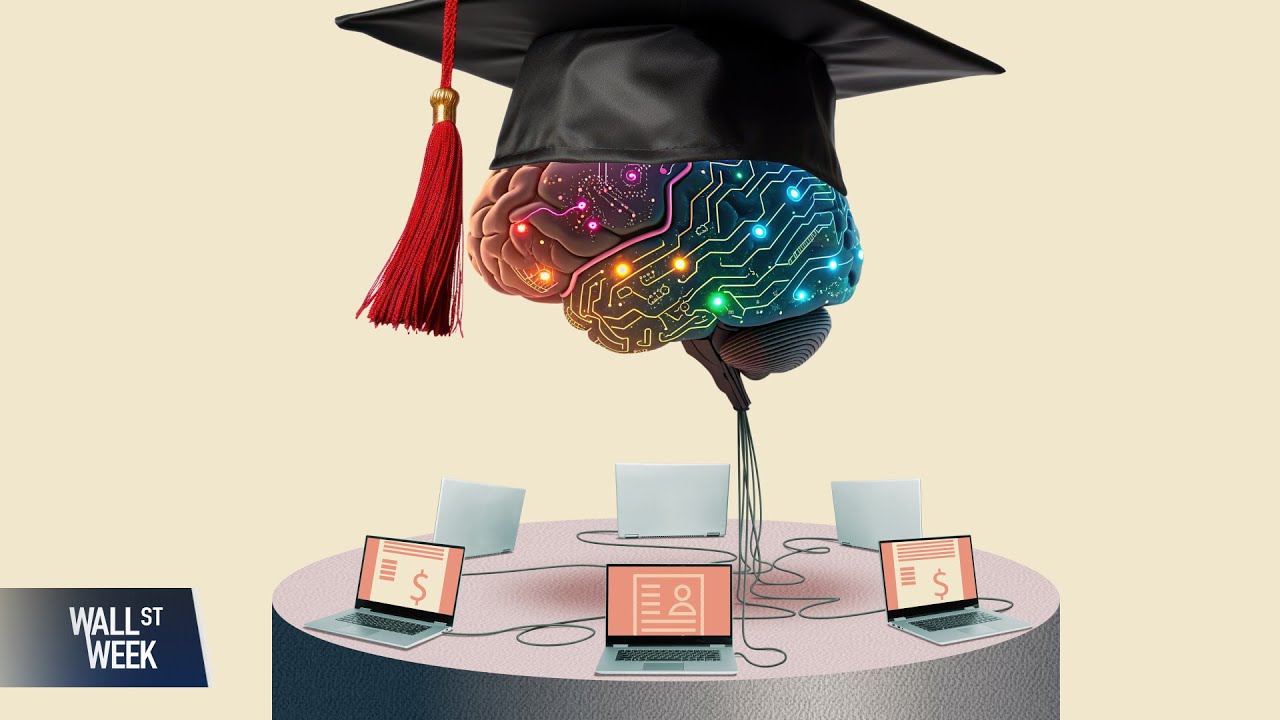
The advent of artificial intelligence is reshaping the career landscape, particularly for recent college graduates, in ways unprecedented in modern economic history. For decades, a college degree was a near-guarantee of a stable career trajectory; now, that promise is being severely tested. This uncomfortable truth was a central theme on a recent Wall Street Week segment, where David Westin spoke with Matthew Martin, Senior US Economist at Oxford Economics, and industry leaders about AI’s immediate impact on the labor market.
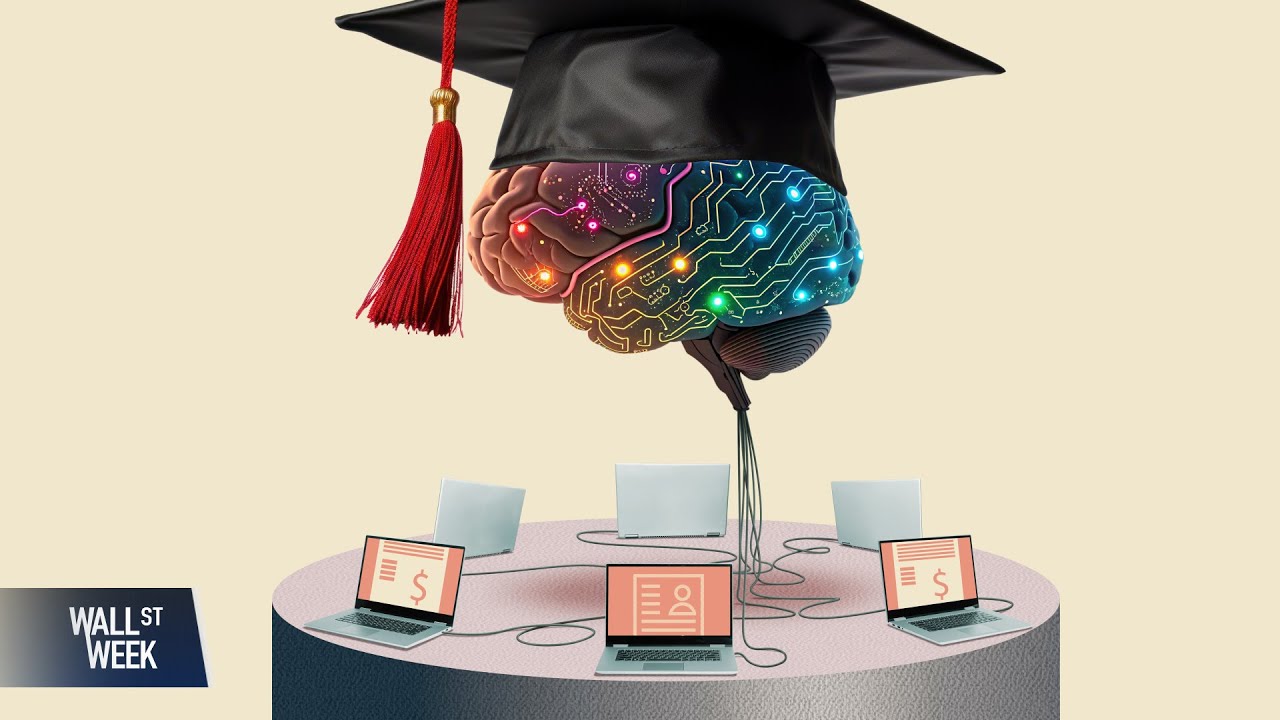
The rapid ascent of AI companies, exemplified by Anthropic’s soaring valuation and Meta’s aggressive hiring of top AI talent, underscores the technology’s transformative power. Yet, this boom appears to coincide with a troubling trend for new entrants to the workforce. Recent graduates like Jacob Ayoub, a finance major from Boston College, and Tiffany Lee, an information science and psychology graduate from Cornell, both boasting strong academic records and prestigious internships at firms like Apple, find themselves in a protracted and often fruitless job search. Jacob reported applying to "around 200 jobs," while Tiffany tallied "about 150, maybe more." Both expressed frustration, noting a common requirement for "two years of experience or three years of experience" even for entry-level design roles.
This anecdotal evidence is supported by stark economic data. Matthew Martin highlighted a historical anomaly: for the first time in over 45 years, the unemployment rate for recent college graduates (ages 22-27) has climbed above the rate for all U.S. workers. "This is essentially the first time on an ongoing basis that this has occurred in the 45 plus years that we have data going back to," Martin stated, signaling a profound shift.
Industry executives are not sugar-coating the implications. Ford CEO Jim Farley warned that "AI will leave a lot of white-collar people behind," a sentiment echoed by Tony Fadell, who declared "all junior level jobs in any industry are at high risk." Kristalina Georgieva, IMF Managing Director, vividly described the situation as "a tsunami hitting the labor market." Amazon CEO Andy Jassy articulated the corporate strategy: AI will "reduce our total corporate workforce as we get efficiency gains from using AI extensively across the company." This efficiency gain, while beneficial for corporations, translates to fewer entry-level opportunities. Indeed data corroborates this, showing junior-level job postings have plummeted 21% below pre-pandemic levels, even as senior-level openings rise.
The impact is not uniform. The tech sector, with its high AI adoption rates, is particularly affected, as are fields like finance and legal. Interestingly, the data reveals a gender disparity; male graduates, who tend to gravitate towards computer science and tech professions, are currently facing lower demand compared to female graduates, who often pursue fields like healthcare and education where demand remains high and interpersonal skills are paramount.