

• StartupHub.ai
    StartupHub.aiAI Intelligence
Discover
  • Home
  • Search
  • Trending
  • News
Intelligence
  • Market Analysis
  • Comparison
  • Market Map Maker
    New
Workspace
  • Email Validator
  • Pricing
Company
  • About
  • Editorial
  • Terms
  • Privacy
  1. Home
  2. AI News
  3. Ais Energy Hunger Threatens Grid Stability
  1. Home
  2. AI News
  3. AI Video
  4. AI's Energy Hunger Threatens Grid Stability
Ai video

AI's Energy Hunger Threatens Grid Stability

Startuphub.ai Staff
Startuphub.ai Staff
Nov 11, 2025 at 12:45 AM4 min read
Exelon CEO Calvin

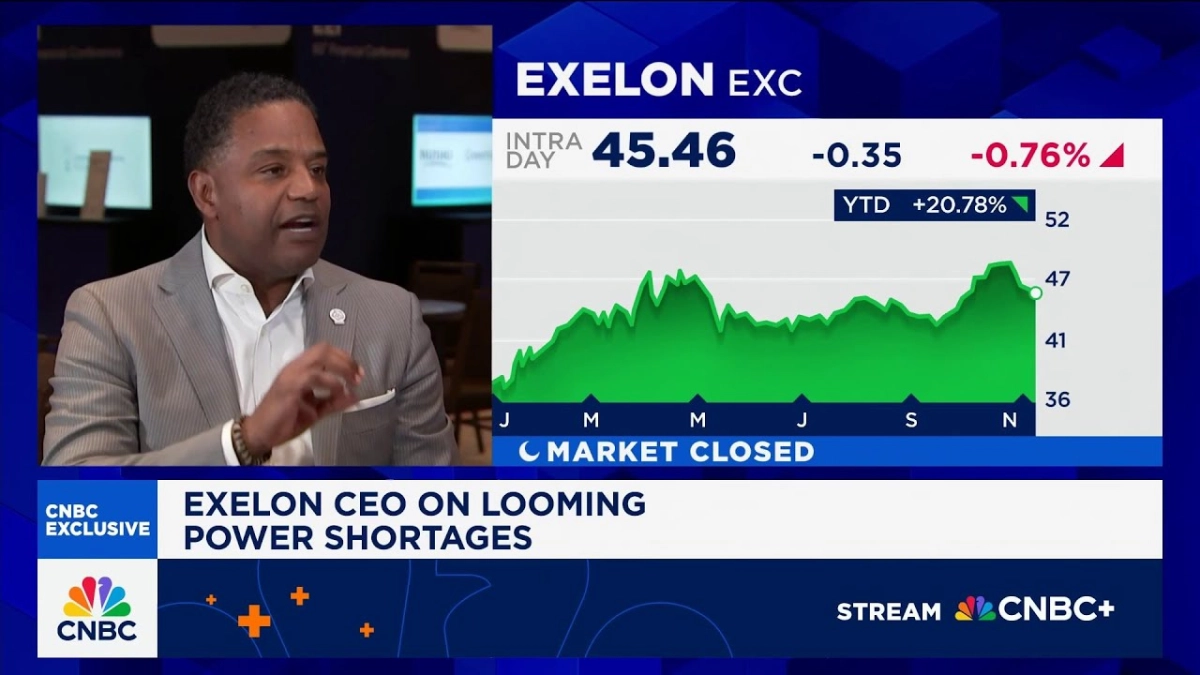
The United States faces an unprecedented surge in electricity demand, primarily fueled by the rapid expansion of artificial intelligence data centers, manufacturing reshoring, and the broad electrification of society. This escalating appetite for power, as highlighted by Exelon CEO Calvin Butler in a recent interview with CNBC’s Brian Sullivan, is pushing the nation’s aging energy infrastructure to its breaking point, signaling potential power shortages and increased costs for consumers if systemic changes are not swiftly implemented. Butler, speaking from the EEI Financial Conference in Hollywood, Florida, painted a stark picture of an energy landscape fundamentally altered, where existing regulatory frameworks are proving inadequate.
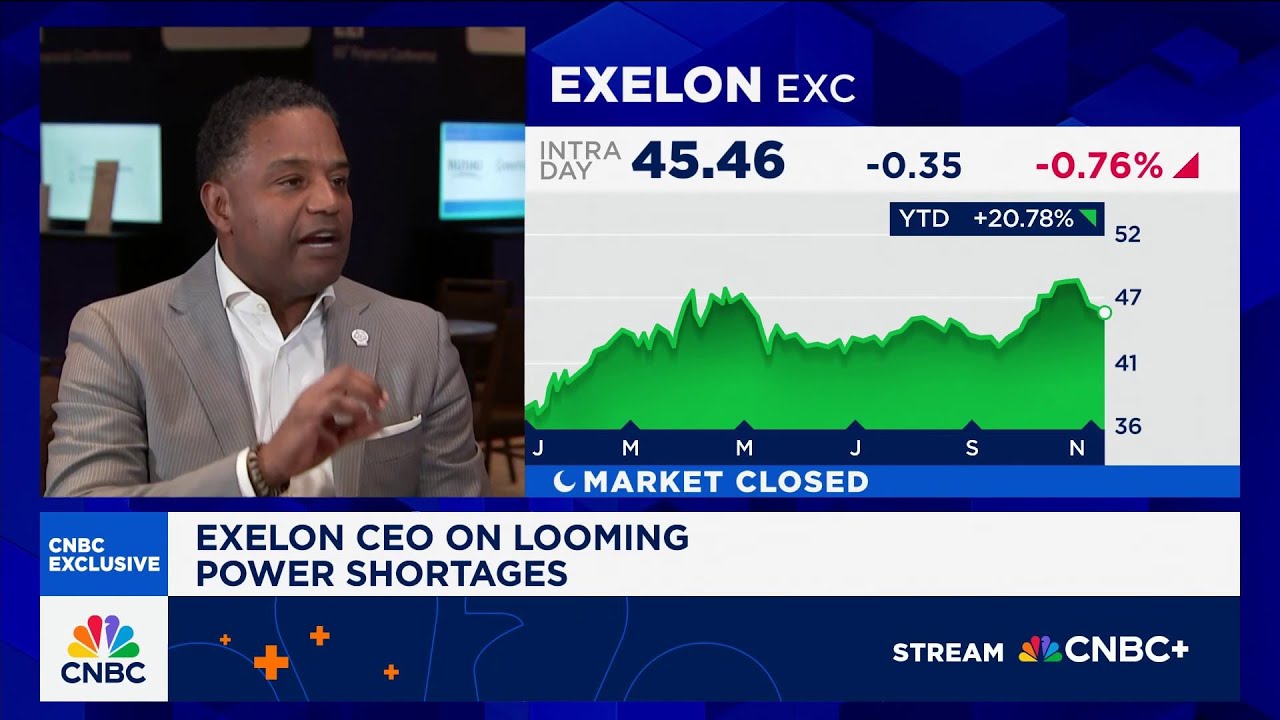
Butler articulated the core challenge: "We have increased load, increased demand like we've never seen in the last 30 to 40 years." This isn't merely a cyclical peak; it represents a profound shift. For decades, electricity demand in the U.S. remained relatively flat, allowing utilities to manage supply with incremental adjustments. Now, the confluence of AI's voracious computational needs, the return of industrial manufacturing to American soil, and the widespread adoption of electric vehicles and appliances is creating a "perfect storm" of demand. This new reality demands a complete re-evaluation of how power is generated, distributed, and regulated.

A critical insight from Butler's commentary centers on the inherent flaw in deregulated energy markets, particularly in regions like the PJM Interconnection, which serves 13 states and the District of Columbia. In these markets, utilities are primarily distributors, not owners of generation assets. This separation, intended to foster competition and reduce costs, is now a liability. Butler observed, "Where you see the utilities not owning generation, supply is not showing up to meet that demand, and who's filling it most? Our customers, because of affordability issues." This structural disconnect means that while demand skyrockets, independent power producers are not incentivized to build new generation at the pace required, leading to critical supply gaps and driving up prices for end-users already grappling with inflationary pressures.

The implications for founders, VCs, and AI professionals are profound. The foundational infrastructure supporting the AI revolution—massive data centers requiring immense, reliable power—is not guaranteed. This looming energy crunch could significantly constrain growth, escalate operational costs, and even dictate where future AI development can realistically occur. Stable, affordable power is not a given; it is rapidly becoming a competitive differentiator and a strategic imperative.

The current regulatory environment, built on rules that have governed the industry for 50 years, is simply not equipped to handle the accelerated pace of today's demand growth. This necessitates a collaborative, urgent response from all stakeholders. Butler noted that PJM recognizes its shortfalls and is working internally, and that governors across the PJM states are banding together to propose solutions. These proposals aim to address short, mid, and long-term problems, acknowledging that there are no quick fixes.

Butler’s proposed solution is a return to basics for utilities in deregulated markets: allowing them to once again own generation. This shift would grant states greater control over their energy supply, providing "control, cost certainty, and clarity on what's going to be done, where, and when." While he wouldn't advocate for new nuclear plants, he emphasized the potential of combined cycle gas turbines, community solar, and battery storage as viable generation options that utilities could invest in to bolster supply. Such investments, under state oversight, could ensure that new capacity is brought online strategically to meet the surging demand.

The urgency of this situation cannot be overstated. As Butler remarked, "No one thinks about it until those lights don't come on." The memory of energy crises in places like Texas and California serves as a stark reminder of the consequences of an unprepared grid. While governors are responsive, a greater "sense of urgency" is required to prevent a crisis that could severely impede technological progress and economic stability. The time for proactive, fundamental energy policy reform is now, ensuring the lights stay on for the next generation of innovation.

#AI
#Artificial Intelligence
#Exelon CEO Calvin
#Technology

AI Daily Digest

Get the most important AI news daily.

GoogleSequoiaOpenAIa16z
+40k readers