


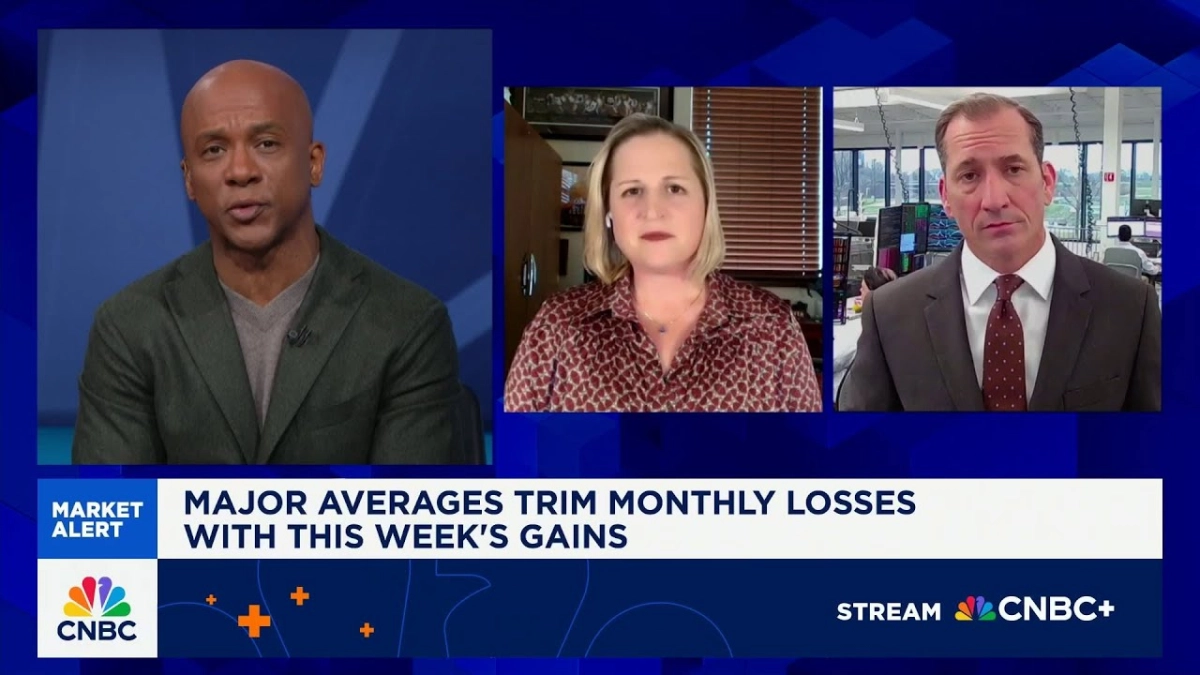
"I think that AI is still alive and well and middle innings," declared Victoria Greene, Founding Partner at G Squared Private Wealth, setting an optimistic tone for the latest market discussion on CNBC's 'Closing Bell Overtime'. Greene and Jim Smigiel, Chief Investment Officer at SEI, joined the program to offer their expert commentary on the current market rally, particularly the pervasive influence of artificial intelligence and the strategic investment considerations it demands. Their insights painted a nuanced picture of opportunity and caution, crucial for founders, VCs, and tech insiders navigating today's complex financial landscape.
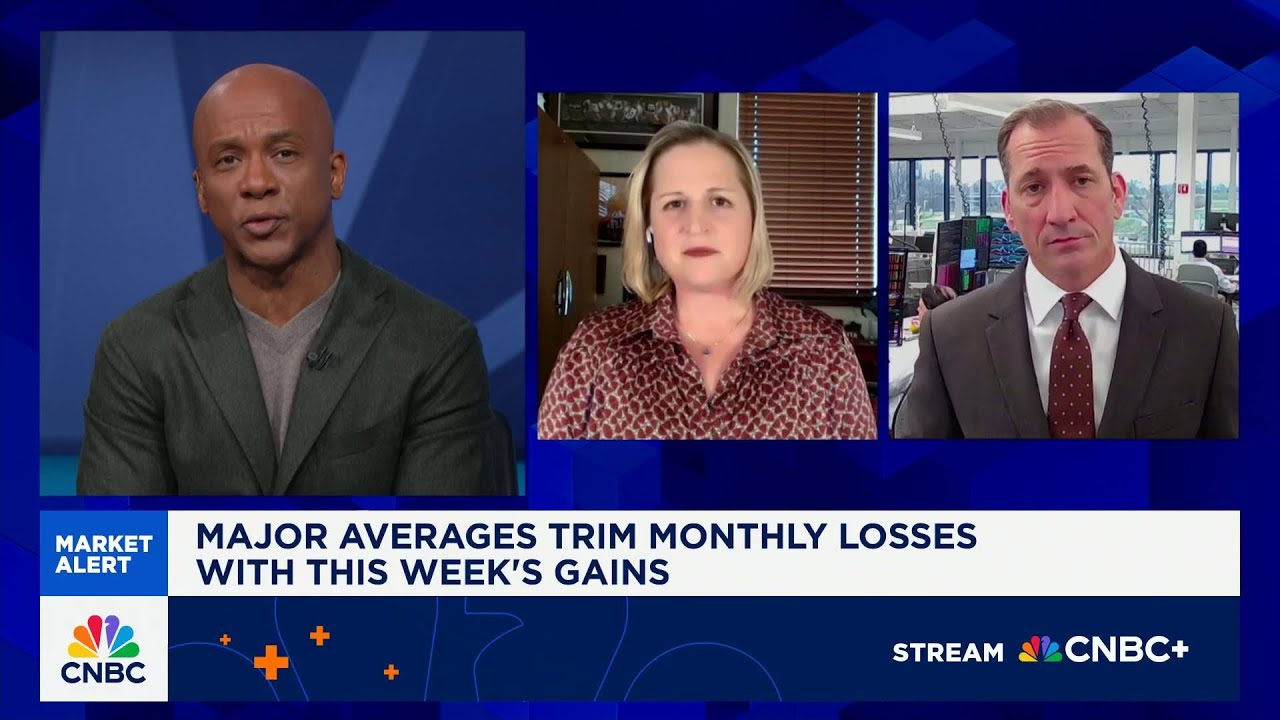
Greene's perspective is rooted in the fundamental strength and expanding ecosystem of AI. She highlighted recent developments, noting Google's awakening with Gemini 3 and the persistent demand for computational infrastructure. "It's good to see Google catch up. Google was asleep at the wheel. Finally, Google is fully awake now," she observed, acknowledging the tech giant's renewed focus. This surge in AI development necessitates a robust supply chain, driving demand for chips from companies like Nvidia, Dell, and HP, as well as memory components. Greene firmly believes this expanding marketplace is beneficial for all participants, fostering widespread growth rather than zero-sum competition.
A core insight from Greene is that the current tech rally is underpinned by genuine earnings growth, not merely speculative debt. While acknowledging that "multiples are not cheap," she asserts that high valuations alone do not typically trigger a bull market's demise when supported by strong fundamentals. She anticipates "earnings growth I see continuing to accelerate exponentially," suggesting a sustainable trajectory for the sector. This distinction is vital for investors seeking durable returns in an environment often prone to hype cycles.
Beyond the immediate AI giants, Greene pointed to a significant broadening of the market rally, a positive indicator that counters concerns about overconcentration. She highlighted the robust performance of sectors beyond technology, with healthcare leading the pack in November, outpacing other segments by a considerable margin. Industrials, financials, and even consumer discretionary stocks like Johnson & Johnson, Costco, Hilton, and cruise lines are exhibiting strong performance, indicating a healthy, diversified market upswing. Johnson & Johnson, for instance, has quietly amassed an impressive 13 consecutive winning days, its longest streak in company history, reflecting a broader market engagement. This breadth suggests underlying economic resilience and consumer confidence, with consumer spending expected to grow 3-5%.
Conversely, Jim Smigiel of SEI, while concurring that AI represents a "game-changer," introduced a note of strategic caution, particularly regarding portfolio concentration. He questioned whether investors truly need to be so heavily invested in a singular theme within their equity portfolios. Smigiel’s analysis emphasized the fragility that can arise from excessive concentration, advocating for a diversified approach.
His second core insight centered on the importance of global diversification, particularly for US investors who tend to be heavily weighted towards domestic equities. "Diversification is the answer. Go global is our theme into 2026," Smigiel stated, urging a re-evaluation of geographic allocations. He argued that despite the US market's significant global share, neglecting international opportunities, especially in emerging markets, means missing out on potential tailwinds. Fiscal and monetary stimulus, combined with more attractive valuations in certain global markets, are expected to provide significant uplift.
Related Reading
- AI Market Maturation Driven by Broadening Competition
- Diversifying Beyond AI: The Market's K-Shaped Reality
- AI Shifts from Build-Out to Utilization: A New Investment Landscape
Smigiel also highlighted the potential for a weakening dollar to enhance returns for equity investors with international exposure. This currency dynamic adds another layer of advantage to a globally diversified strategy, making overseas investments more appealing. While acknowledging a short-term "all clear" for the market due to the Federal Reserve's blackout period and absence of hawkish commentary, he consistently underscored that concentration still “equals fragility” for the end investor. This serves as a critical reminder for those tempted to chase momentum in narrowly defined segments.
The contrasting yet complementary views from Greene and Smigiel offer valuable guidance. Greene’s detailed analysis of AI’s expanding applications and the resulting demand for underlying infrastructure provides a compelling case for continued tech investment, especially given the observable earnings growth. Smigiel’s broader, more macro-driven advice on diversification and global exposure acts as a vital counterweight, promoting resilience against potential market shifts or sector-specific corrections. For startup founders and VCs, understanding both the intense, focused growth within AI and the broader market dynamics is paramount. The market is not a monolith; opportunities abound, but prudence and strategic allocation remain essential.

