

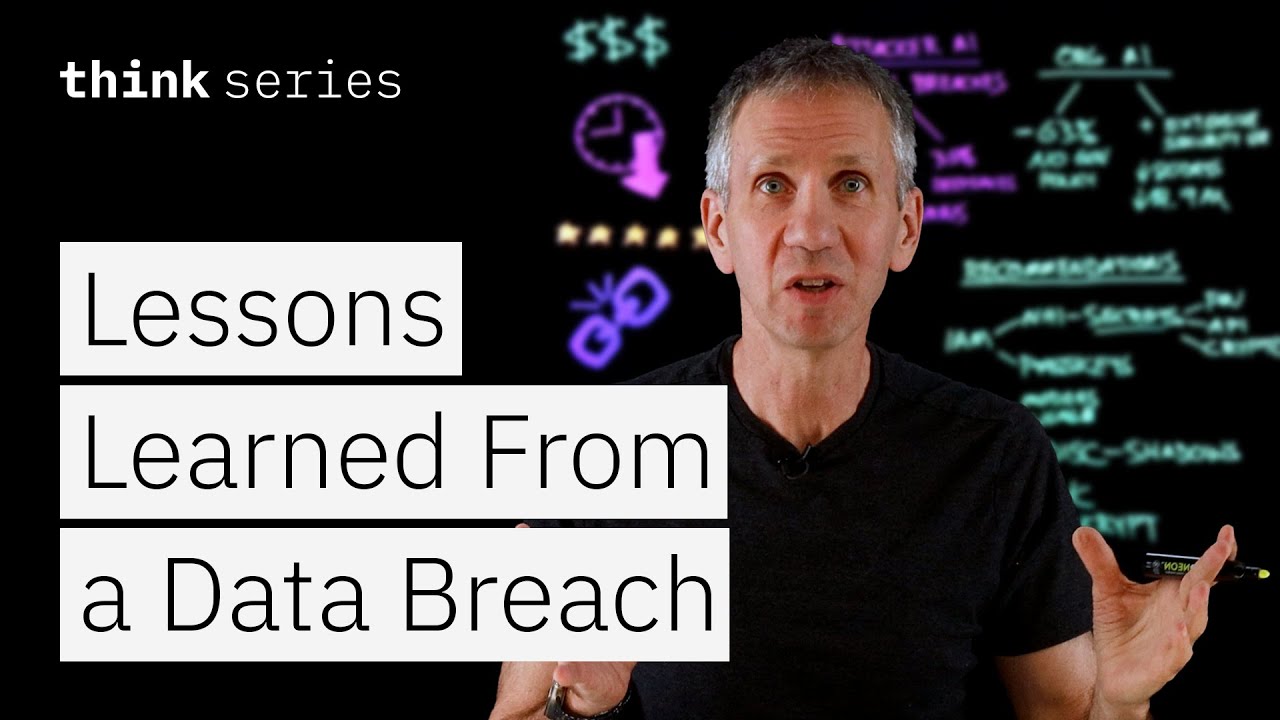
The latest IBM 2025 Cost of a Data Breach Report paints a nuanced picture of cybersecurity in the age of artificial intelligence, revealing both concerning vulnerabilities and powerful defensive capabilities. While global average data breach costs saw a slight reduction, the surge in AI-driven attacks and the pervasive issue of "shadow AI" underscore a rapidly evolving threat landscape that demands immediate, strategic attention from enterprise leaders.
Jeff Crume, a Distinguished Engineer at IBM, detailed key findings from the report, which surveyed 600 organizations and approximately 3,500 leaders who experienced data breaches, providing firsthand insights into the financial and operational fallout. The global average cost of a data breach decreased by 9% to $4.44 million, and the combined mean time to identify and contain a breach also saw a modest improvement, reducing from 257 days to 241 days. Crume noted this improvement, stating it's "still not great, but it's an improvement," highlighting that nearly eight months of undetected compromise remains unacceptable.
However, this global improvement masks a stark divergence in the United States, where data breach costs actually *increased* by 9% to an average of $10.22 million. This significant jump means US organizations face costs "almost twice what the worldwide average is," driven by factors such as rising regulatory fees and increased detection expenses. This underscores a critical need for localized, robust security strategies that account for regional complexities and regulatory pressures.
A primary new challenge highlighted in the report is the dual impact of AI. Thirteen percent of organizations surveyed experienced data breaches directly related to AI, with 60% of these resulting in data compromise and 31% leading to operational disruptions. This indicates that AI, while a powerful tool, is also introducing novel attack vectors. A particularly insidious development is "shadow AI," where 20% of organizations discovered unauthorized AI implementations within their environments. Crume emphasized the urgency of addressing this, warning that "this stuff will just start popping up all over the place" if left unchecked.
The report also sheds light on how attackers are leveraging AI to their advantage. Phishing, a perennial threat, accounted for 37% of AI-related breaches, while deepfakes contributed to 35%. The efficiency gains from AI are alarming: a sophisticated phishing attack that once took a skilled cybersecurity professional 16 hours can now be generated in just five minutes with an AI chatbot, and be "nearly as convincing."