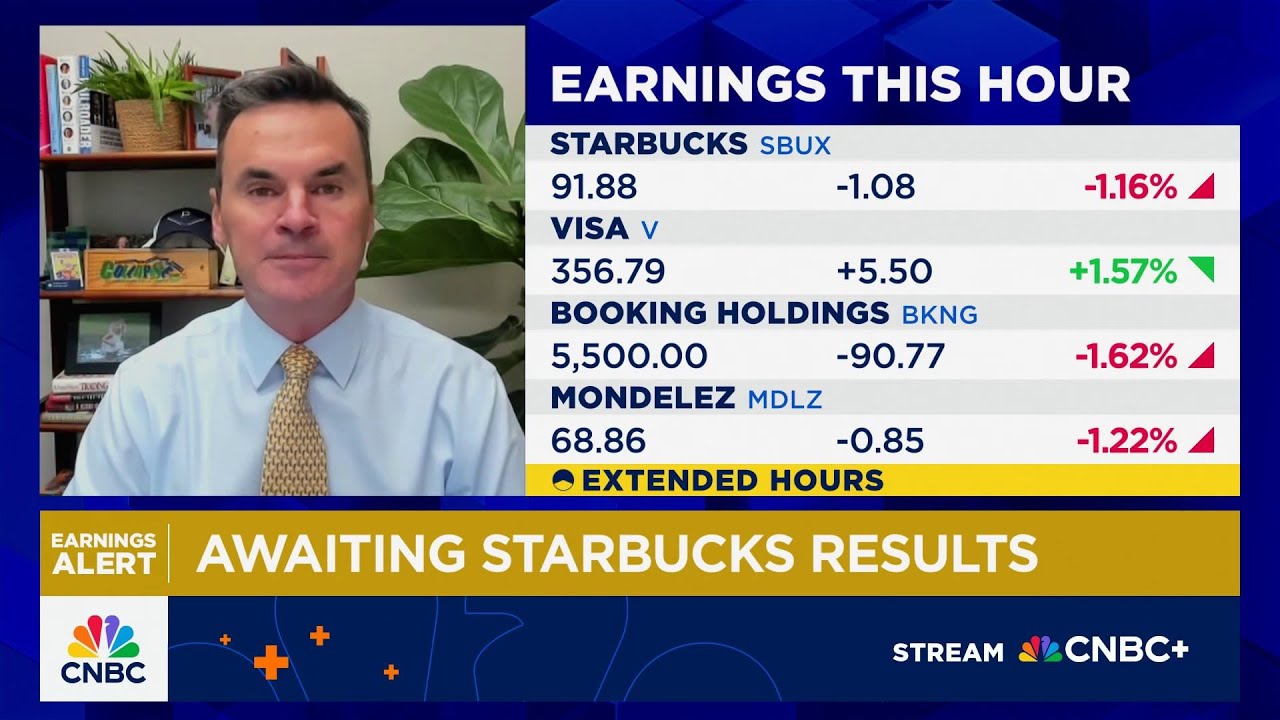
The current market enthusiasm around artificial intelligence largely remains confined to a handful of megacap technology giants, but the true test of AI's economic impact will be its expansion into a broader spectrum of companies. Paul Hickey, Co-Founder of Bespoke Investment Group, articulated this critical perspective on CNBC's "Closing Bell: Overtime," emphasizing the need for AI's benefits to permeate beyond the dominant players. Hickey spoke with the interviewer about the upcoming quarterly earnings results, consumer spending indicators, and the broader market's reaction to current news cycles.
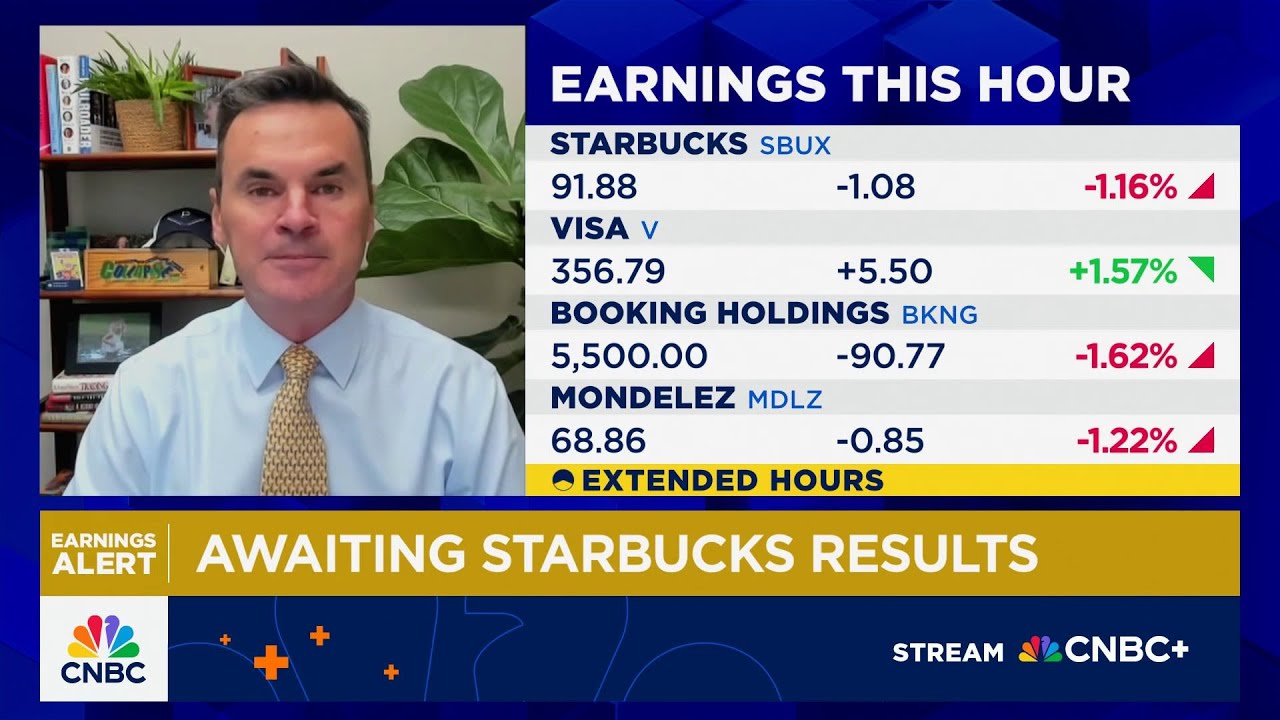
Hickey highlighted that while over half of the market capitalization reporting earnings in the upcoming week resides within just four megacaps, these entities have already seen significant uplift from the AI narrative. However, the sustainable growth narrative hinges on a wider distribution of these benefits. "We want to see the expansion of the benefits of AI coming to these other companies that aren't directly involved in or using it," Hickey stated, underscoring a key metric for investors and analysts alike. This expansion is crucial for validating the broader economic transformative power of AI, moving beyond speculative valuations of a select few.
Examining consumer spending as a bellwether, Hickey noted that companies like Visa offer a strong read on consumer health. Yet, he pointed out the market's current "Dr. Jekyll moment," where positive news often leads to disproportionate sell-offs, contrasting sharply with the "Mr. Hyde moment" experienced three months prior when all news was met with negativity. This shift in market psychology, where "everything looks great," sets expectations perilously high.
The immediate reaction to earnings reports, even positive ones, can be telling. Hickey cited Boeing's recent positive results, which paradoxically led to a market sell-off. This suggests a fragile sentiment, where good news might already be priced in, leaving little room for upside surprises and ample opportunity for profit-taking. Such a dynamic raises concerns about the market's ability to sustain its current trajectory if expectations are consistently outrunning reality.
For founders, VCs, and AI professionals, Hickey's insights serve as a vital reminder: the AI revolution's long-term health depends not just on technological breakthroughs, but on tangible, widespread economic integration. The market needs to see evidence of AI driving value in diverse sectors, not just inflating the valuations of a few already-dominant entities.