

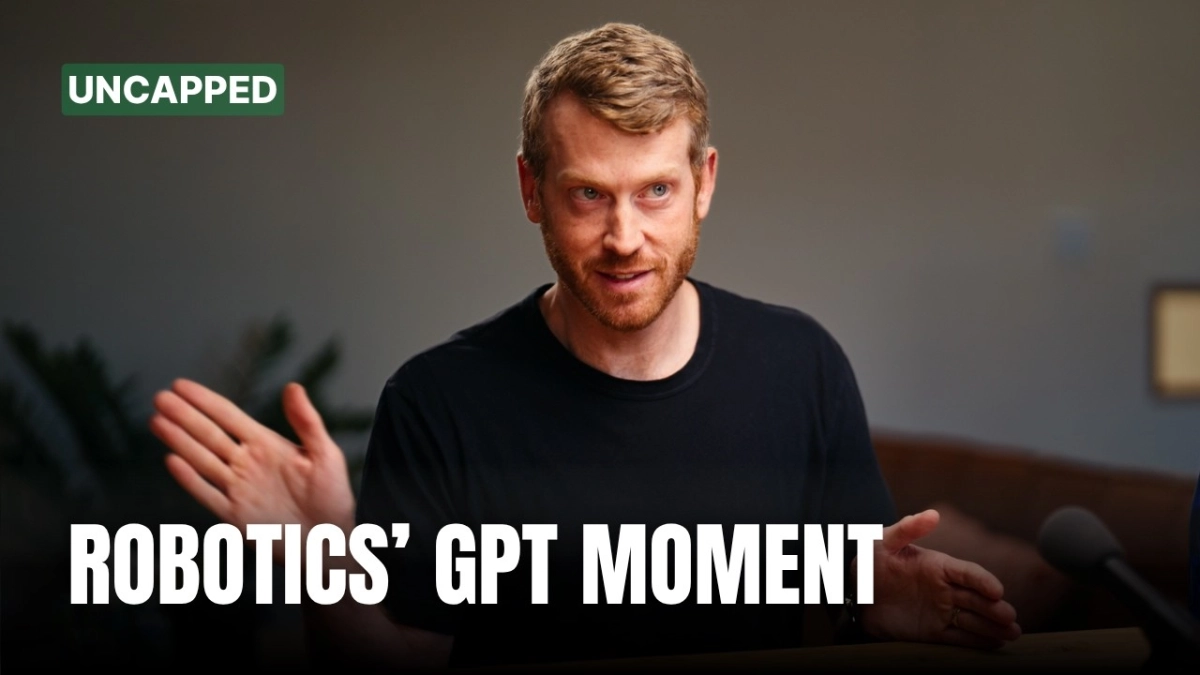
"For the first time, you have robots that are powered by essentially they have all the brains of an LLM built into this robot." This declaration by Kyle Vogt, serial entrepreneur and CEO of The Bot Company, captures the essence of a profound shift in the robotics landscape. In a recent interview on the Uncapped podcast with host Jack Altman, Vogt illuminated how advancements in artificial intelligence are finally unlocking the long-held promise of robotics, moving the field beyond niche industrial applications and into everyday life.
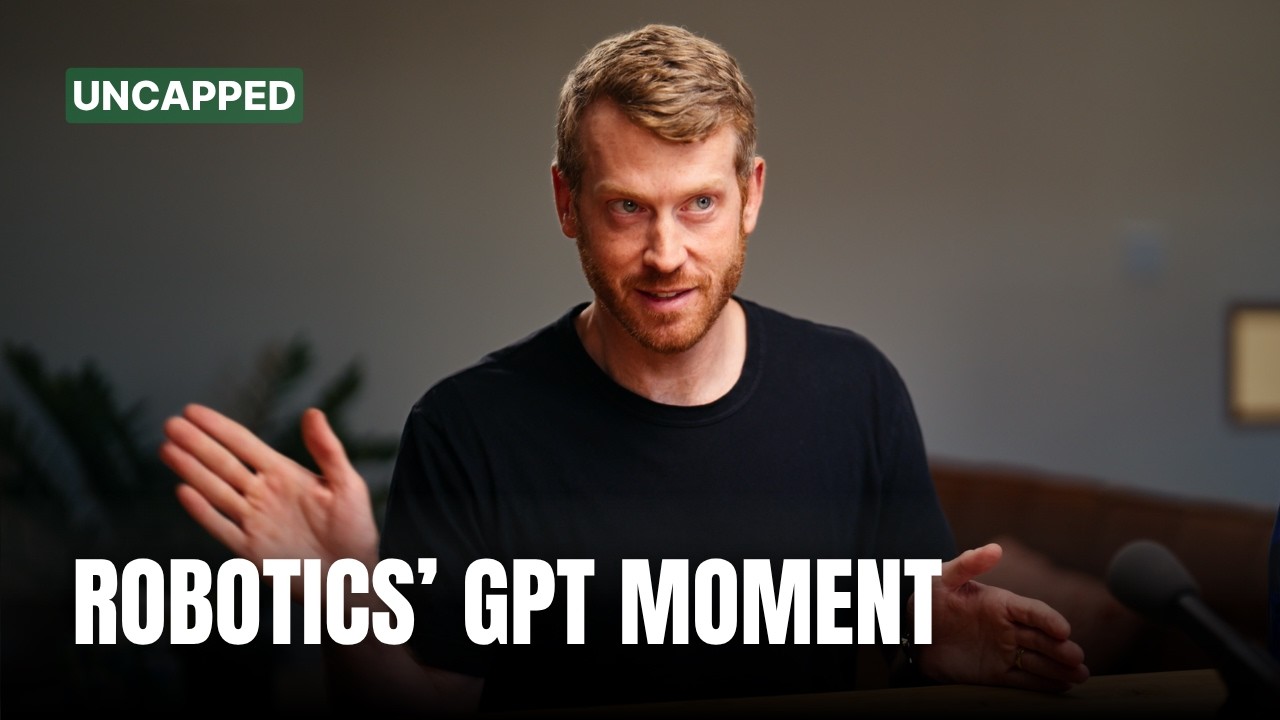
Vogt, renowned for co-founding Twitch and Cruise, spoke with Altman about the sudden boom in robotics, the critical role of AI in this new era, and his vision for bringing intelligent home automation to scale. Their discussion painted a vivid picture for founders, VCs, and AI professionals, highlighting both the technological breakthroughs and the nuanced challenges ahead.
The current excitement in robotics, Vogt explained, stems directly from the integration of large language models (LLMs) and neural networks. Previously, programming robots for even simple tasks like navigating a room and identifying objects was an "impossibly hard computer science problem," requiring meticulous 3D mapping and millions of training examples for each specific environment. Now, robots can tap into the vast "common sense" knowledge of the internet, instantly recognizing objects and understanding spatial relationships across diverse settings. This leap in cognitive ability, coupled with neural networks that allow robots to learn complex motion trajectories through teleoperation or simulation, fundamentally changes the game.
Indeed, Vogt asserts that "everything we thought we knew about robotics or like what kind of businesses were good businesses or bad businesses, all like that slate has wiped been wiped clean." This paradigm shift heralds a "Cambrian explosion" of new robotic applications. Instead of fragile, caged machines requiring millimeter precision, we are entering an era where robots can adapt and function reliably in unpredictable human environments.
Crucially, Vogt emphasizes that the future of home robotics will be dominated by specialized machines, not generalized humanoids. While the idea of a humanoid robot capable of performing any task is alluring, the practicalities of cost, safety, and optimization for specific functions make specialized robots the more viable path. A robot designed for cooking steaks in under five years, for instance, will look very different from one designed for laundry, or even for home security. Humanoids, with their complex balance and potential for causing harm in a domestic setting, present significant hurdles that specialized forms can bypass more easily.