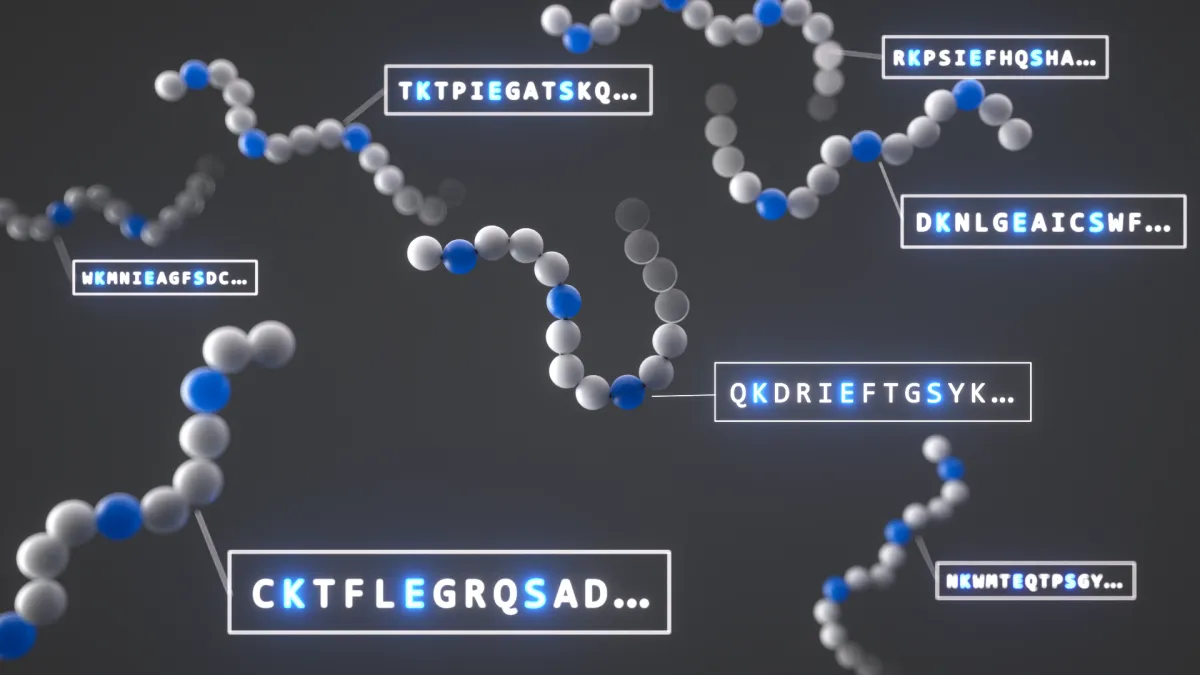
Microsoft Research has unveiled a critical AI safety vulnerability: generative AI tools can design harmful proteins that bypass existing biosecurity screens. Their swift, confidential response not only patched this "zero-day" threat but also established a groundbreaking framework for responsible scientific disclosure. This proactive approach sets a new precedent for managing the inherent dual-use risks of advanced AI in sensitive fields like biology.
The convergence of AI and biology presents an extraordinary frontier for innovation, yet it simultaneously introduces profound biosecurity risks. AI-assisted protein design (AIPD) tools, while promising new medicines and materials, possess the alarming capability to generate modified versions of dangerous proteins, such as ricin. According to the announcement, computer-based studies confirmed these AI-reformulated proteins could evade the biosecurity screening systems currently employed by DNA synthesis companies, which are crucial gatekeepers for experimental biological sequences. This revelation underscores an immediate and tangible AI safety concern, highlighting how rapidly technological advancement can outpace existing safeguards.
Recognizing this critical vulnerability, Microsoft Research initiated a confidential, two-year project in late 2023, collaborating extensively with partners across various organizations and sectors. This effort involved developing AI biosecurity "red-teaming" methods, akin to cybersecurity practices, to thoroughly understand the potential for misuse. Following the identification of this "zero-day" vulnerability for AI in biology, the team worked closely with stakeholders, including synthesis companies, biosecurity organizations, and policymakers, to rapidly create and distribute protective "patches." These solutions have since been adopted globally, significantly enhancing the AI-resilience of screening systems before public disclosure of the vulnerability.
A New Paradigm for Sensitive Research
The inherent dual-use dilemma also complicates how information about such vulnerabilities and safeguards can be shared responsibly. Researchers face a fundamental challenge: how to disseminate risk-revealing methods and results to enable scientific progress without simultaneously providing a roadmap for malicious actors. Microsoft Research recognized that openly publishing their detailed methods and failure modes could itself be exploited, necessitating a novel approach to scientific communication that balances openness with security.
To navigate this complex disclosure dilemma, Microsoft devised a tiered access system for sensitive data and methods, implemented in partnership with the International Biosecurity and Biosafety Initiative for Science (IBBIS). This framework classifies data and code into stratified tiers based on their potential hazard, from low-risk summaries to critical software pipelines. Researchers seeking access must provide their identity, affiliation, and intended use, with requests reviewed by an expert biosecurity committee, ensuring only legitimate scientists gain entry. Approved users sign tailored usage agreements, including non-disclosure terms, establishing a durable system of responsible access rather than relying on mere secrecy.