

AI's Role in Defense Supply Chain Resilience

Govini CEO Tara Murphy Dougherty discusses how AI can enhance defense supply chain resilience amidst global geopolitical disruptions, drawing lessons from Ukraine.

4 min read
Two women in a split screen, one hosting and the other being interviewed, with stock market data displayed.
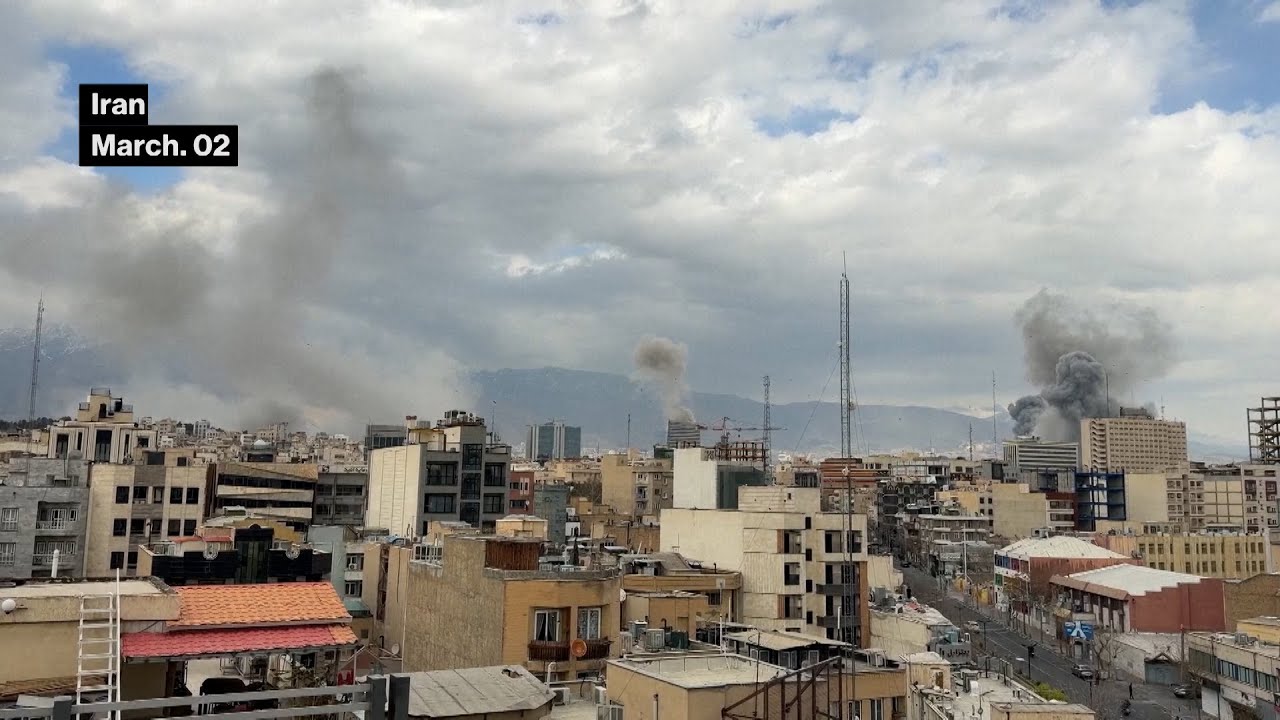
Iran Conflict Raises Defense Supply Chain Concerns — Bloomberg Technology on YouTube

The current geopolitical climate, marked by the conflict in Iran, is exerting considerable pressure on global supply chains, a reality that is particularly acute for the defense sector. Tara Murphy Dougherty, CEO of Govini, a company specializing in AI-powered solutions for the defense industrial base, discussed the critical need for enhanced resilience in this vital industry. In a recent broadcast, Dougherty highlighted how existing vulnerabilities in defense production are being exacerbated by these global disruptions.

The full discussion can be found on Bloomberg Technology's YouTube channel.
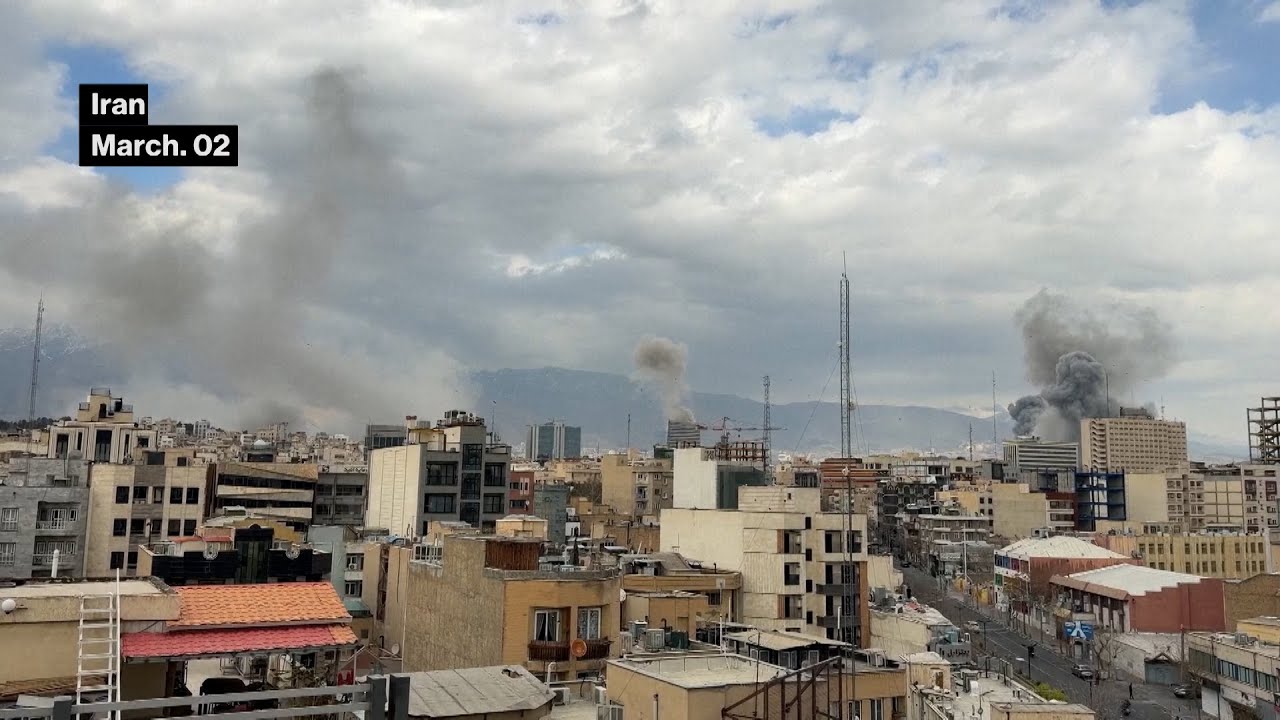
Iran Conflict Raises Defense Supply Chain Concerns — from Bloomberg Technology

Understanding the Challenges in Defense Supply Chains

Dougherty emphasized that the defense industry is grappling with a fundamental availability crisis, characterized by bottlenecks and a lack of foresight in managing critical component production. She pointed out that disruptions stemming from geopolitical events like the conflict in Iran necessitate a more robust and adaptive approach to supply chain management. The ability to predict and mitigate potential shortages of essential materials and manufactured goods is paramount for national security.

The Strategic Importance of AI in Defense Production

The conversation underscored the transformative potential of artificial intelligence in addressing these challenges. Dougherty stated, "The demand for American military power is continuing to increase... And so there's a production need in the United States... There's also an availability of parts and legacy systems that is equally important." This highlights a dual challenge: scaling up production of new systems while ensuring the continued availability and maintenance of existing ones. AI, she explained, is crucial for achieving this balance.

Leveraging AI for Predictive Resilience

Govini's CEO elaborated on how AI can provide the necessary foresight and agility. "We know that AI is upon us, and what we need to do as the US military is better harness it... to demonstrate that when you look past the primes, the sub-tier suppliers of critical parts for those munitions are shared." This implies that a lack of visibility into the deeper layers of the supply chain creates significant risks. By applying AI, the defense establishment can gain a clearer understanding of these complex networks, identifying potential choke points and dependencies.

Dougherty further elaborated on the practical applications of AI, drawing parallels to lessons learned from the conflict in Ukraine. "Some of the experiences from Ukraine have developed quite quickly into the use... some of these will take time and the experience is still coming. So, I'm expecting now the focus in AI... as well as other technologies like 3D printing of the missile, etc., what we can use within the US and European contexts." This suggests that the rapid advancements in AI and manufacturing technologies observed in response to the Ukraine conflict offer valuable blueprints for strengthening the US defense industrial base.

Key Takeaways for the Defense Ecosystem

The core message from the discussion is that the defense sector must proactively integrate AI to overcome current supply chain vulnerabilities. This involves not only leveraging AI for production planning and optimization but also for ensuring the availability of critical components and systems. Dougherty stressed the importance of moving beyond a reactive approach, stating, "We are not in immediate danger of running out of stock piles of munitions, but when you look at longer-term trends, and in a situation where we are firing one year's worth of missile production in one week's time, then things start to become questionable in terms of overall sustainability."

The application of AI in defense is seen as a critical step in ensuring future readiness. Dougherty highlighted that "The experience from Ukraine is so massive, and the experience is still coming, so I'm expecting now the focus in AI, and other technologies... is so massive, and then all the other technologies like 3D printing of the missile, etc., what we can use within the US and European contexts." This perspective suggests that the current geopolitical landscape demands a more sophisticated and data-driven approach to defense manufacturing, with AI playing a central role in building predictive capabilities and resilience.