
The artificial intelligence revolution, according to Kevin Mahn, CIO of Hennion & Walsh, is currently in its "batting practice of a double header." This vivid metaphor, shared during an interview with Frank Holland on CNBC's Worldwide Exchange, underscores Mahn's perspective that while the AI era is nascent, the foundational investment opportunities are already profound and immediately actionable. The discussion spanned critical market indicators, geopolitical dynamics, and strategic investment plays, with AI infrastructure emerging as a central theme.
Mahn contends that the current phase of AI development is akin to preparing for the main event, focusing on the essential groundwork. He explains that "batting practice... involves all of the necessarily building of the AI factories that are necessary for these advanced algorithms to start changing society and start changing the economy." This perspective shifts the focus from the algorithms themselves to the tangible, physical infrastructure required to power them, suggesting a robust and prolonged period of growth in this sector.
He emphasizes that significant capital is already flowing into this foundational area. Mahn advises investors to "always follow the adage Frank of follow the money and we continue to see companies announcing tens of billions of dollars of investment into AI infrastructure." This substantial commitment from major players highlights the conviction in AI's long-term impact and the immediate need for its underlying support systems. Companies like AECOM, involved in engineering and construction services for data centers, stand to benefit directly from this unprecedented buildout.
Regarding broader market sentiment, Mahn anticipates steady Producer Price Index (PPI) figures, reinforcing the market's strong expectation for a Federal Reserve rate cut in September. This macroeconomic backdrop contributes to the current market highs and fuels investor confidence.
On geopolitical risks, Mahn downplays immediate market ramifications from international meetings, suggesting the market is primarily focused on the Fed's next move. He sees no direct market risk from these diplomatic engagements.
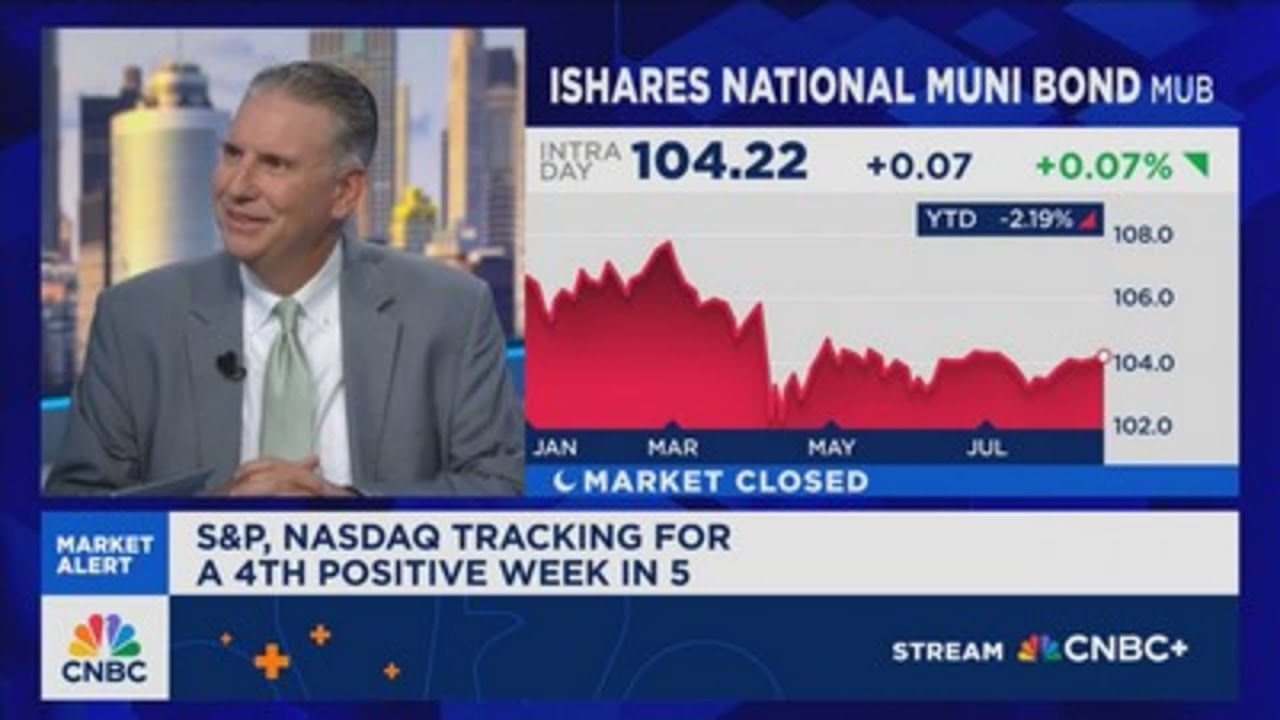
Beyond the AI boom, Mahn also identifies municipal bonds as an attractive investment class. Despite recent struggles in price year-to-date, he views them favorably due to a confluence of factors. Issuers, he notes, pulled forward new issuance with the fear of losing tax-exempt provisions, which ultimately did not materialize. This has resulted in less new supply entering the market. "Anytime you have an asset class where you have less supply, increasing or similar demand, prices are going to move higher," Mahn asserts. For high-net-worth investors, the enduring appeal of tax-free income, coupled with principal protection when held to maturity, makes municipal bonds a dependable component of a diversified portfolio.