

Artificial intelligence is already initiating profound shifts in the employment landscape, particularly within Big Tech, even as widespread productivity gains remain a future promise. This paradox underscores a critical phase of corporate restructuring where efficiency is being aggressively pursued through workforce optimization.
Companies working on this
Profiles of the companies named in this story, with founding year, headquarters, and a short description from our database.

A global technology leader providing software, cloud services, AI, and devices for individuals and businesses.
- Founded
- 1975
- Location
- Redmond, Washington, United States

Global technology leader in search, advertising, cloud, AI, and consumer electronics.
- Founded
- 1998
- Location
- Mountain View, United States
- Funding
- $9.1B
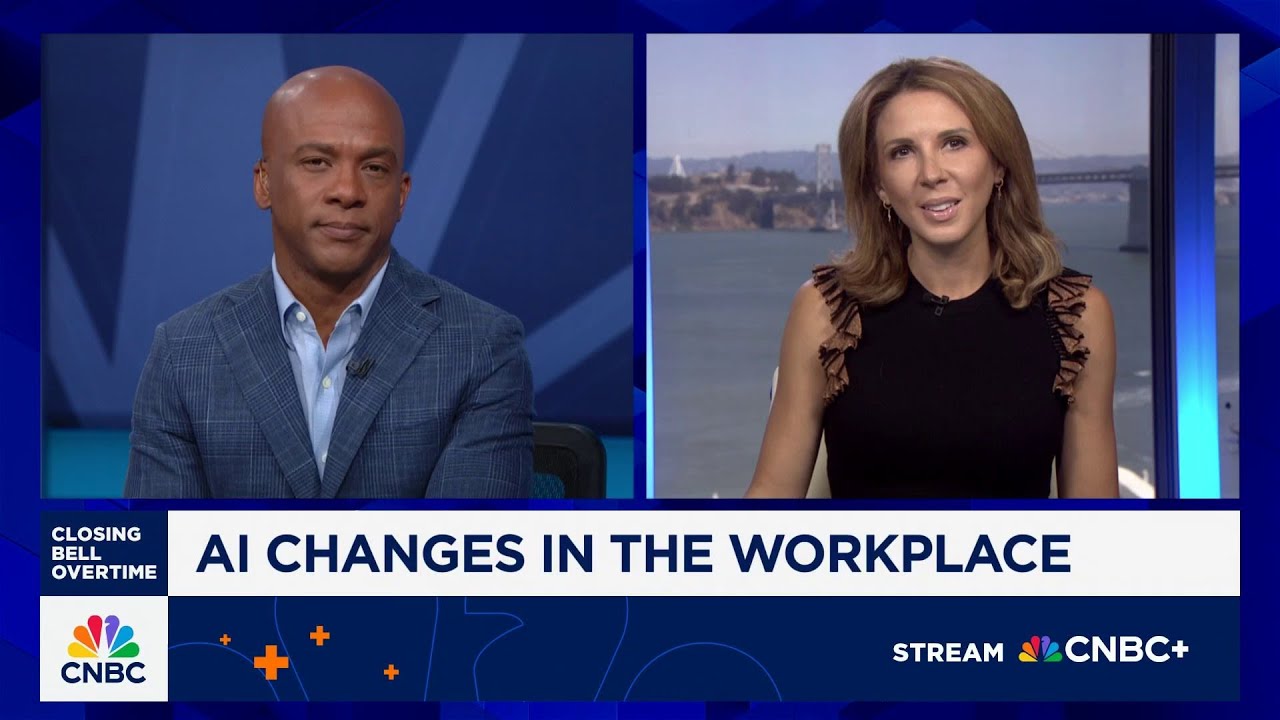
MacKenzie Sigalos, reporting from Silicon Valley for CNBC's Closing Bell Overtime, detailed the immediate and tangible impact of AI on jobs and organizational structures. Her insights, drawing on various data points and corporate disclosures, paint a picture of an industry actively reconfiguring itself.
One stark indicator of AI's current influence on employment comes from a Stanford University study utilizing real-time ADP payroll data. This research revealed a "13% drop in employment for workers under 25 in jobs most exposed to AI." This demographic, often in entry-level or support roles, appears to be the first to experience direct displacement as AI tools automate routine tasks.
Concurrently, a significant trend emerging from the "Mag 7" tech giants is the systematic reduction of middle management. Google, for instance, has "eliminated 35% of managers overseeing small teams in past year," a finding reported by Jennifer Elias. Microsoft, too, has been aggressively rightsizing, "shedding 15,000 roles just this summer." These moves are not merely cost-cutting; they represent a strategic flattening of organizational hierarchies.
The impetus behind these sweeping changes is twofold. Firstly, shedding layers of management frees up substantial resources. This capital is then reallocated to fuel the intense AI race, funding critical research and development, and investment in specialized AI chips.