

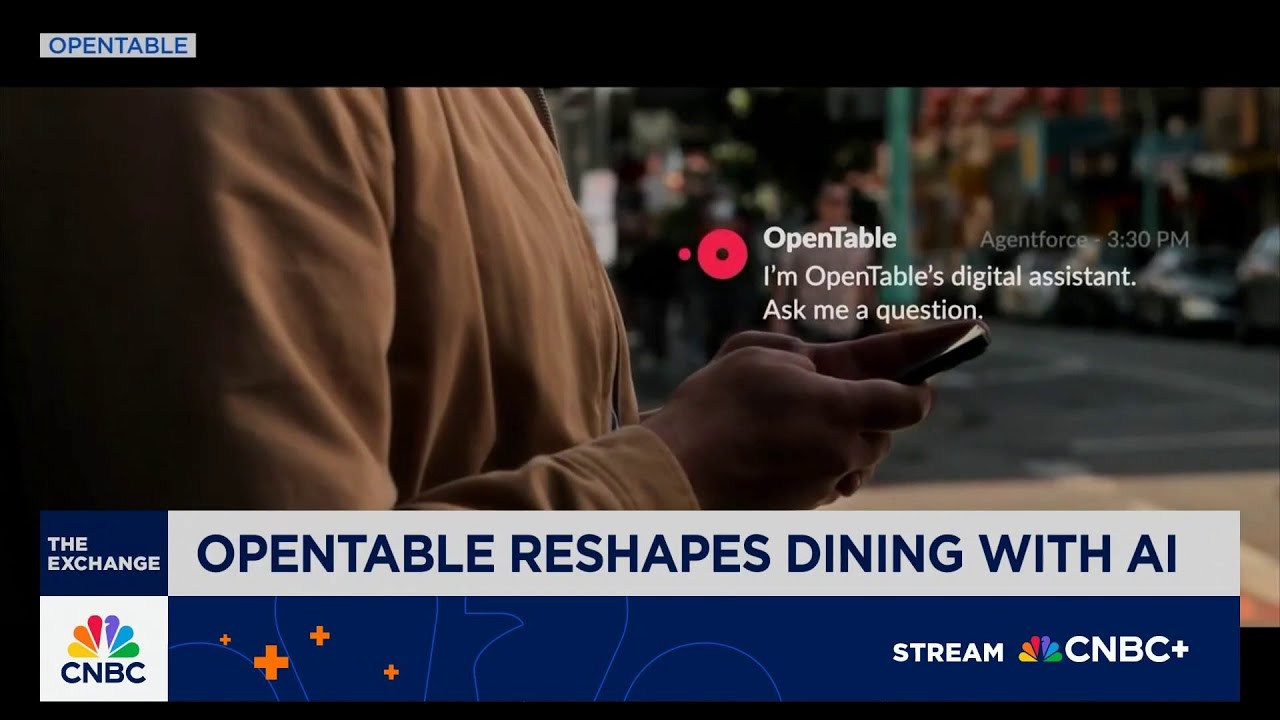
Artificial intelligence is rapidly becoming the unseen engine of the modern restaurant industry, quietly optimizing everything from back-office tasks to front-of-house guest interactions. This profound shift, highlighted in a recent CNBC report by Julia Boorstin, showcases how establishments like San Francisco's Wayfare Tavern and platforms such as OpenTable are leveraging AI to drive efficiency and elevate hospitality.
Boorstin's segment, featuring insights from Wayfare Tavern's Director of Sales & Events Andrea Boyd and OpenTable CEO Debby Soo, illustrates AI's practical applications. At Wayfare Tavern, AI tools from startups like Panzo and Superhuman are acting as digital assistants, significantly reducing the administrative burden of daily tasks such as email correspondence. Previously, as Boyd noted, "it would have had to be me and maybe two other people doing that work." Now, staff can dedicate their efforts to more impactful, face-to-face guest engagement.
This strategic deployment extends to customer communication. Wayfare Tavern utilizes an AI voice chatbot from Hostee, which now autonomously handles approximately 70% of phone reservations. This automation, costing a mere $200 per month, liberates human hosts to focus on the nuanced aspects of hospitality, ensuring a more personalized welcome for arriving guests. The direct result of this increased responsiveness is tangible: "Because I can get back to people quicker, and because my response time is faster, we book more events. We have more sales. We have more guests coming in the door," Boyd explained, underscoring AI's direct correlation with business growth.
OpenTable, a subsidiary of Booking Holdings and a platform serving 60,000 restaurants, is also at the forefront of this AI revolution. Their investment extends beyond internal operations, aiming to enhance the experience for both restaurants and their millions of diners. OpenTable has partnered with Salesforce's Agentforce to develop chatbots that efficiently resolve three-quarters of restaurant-related queries.
Debby Soo, OpenTable's CEO, emphasized the subtle yet powerful nature of this integration. "If AI is implemented correctly, it's in the background. Guests don't see it, guests don't notice it," she stated. This deliberate invisibility allows restaurant personnel to "have more meaningful interactions with their guests," fostering genuine connections that AI cannot replicate.