

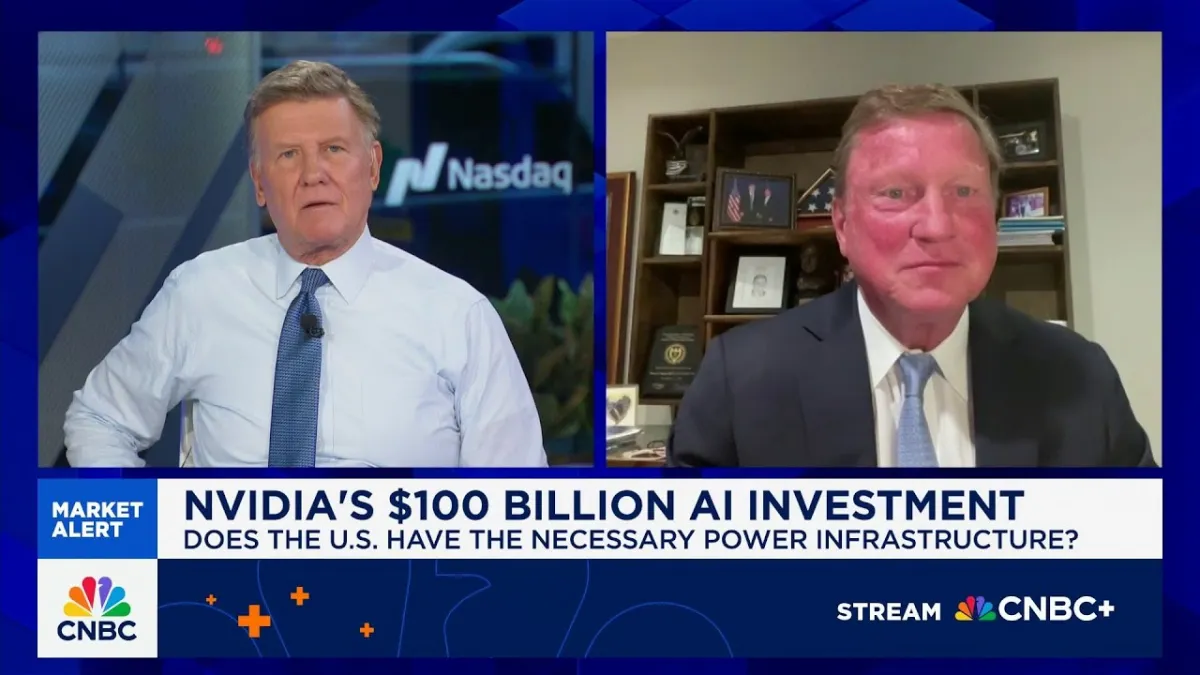
Nvidia's $100 billion investment in AI and OpenAI, particularly for data center construction, raises a critical question: can the U.S. power grid handle the surge in demand? Tom Fanning, former Southern Company CEO, addressed this concern, emphasizing the need for strategic thinking and collaborative solutions.
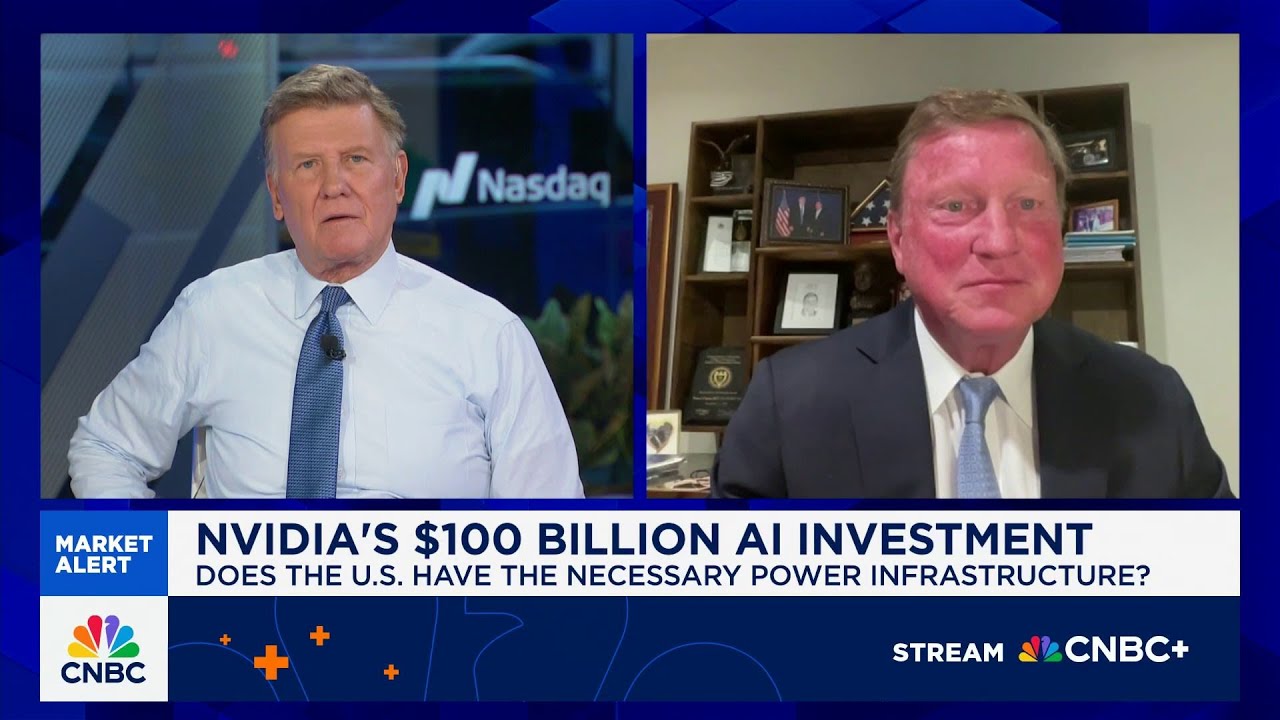
Fanning spoke with CNBC's 'Squawk Box' about Nvidia's $100 billion investment in OpenAI, the energy requirements for the deal's data center buildout, and whether the U.S. has the necessary power infrastructure.
"The kind of assets that we're talking about here, these generative AI server farms etc. are requiring something like 24/7 capacity and energy," Fanning stated. This constant demand necessitates reliable power sources, moving beyond intermittent renewables to include nuclear and natural gas.
The rapid growth of AI is placing unprecedented demands on the energy grid. The largest power plant in the U.S. currently runs at 4.6 gigawatts. Nvidia's data center buildout plan will require 10 gigawatts.
A key insight from the interview is the need for a diversified approach to energy generation. Fanning suggested "a portfolio of renewables, solar, wind, storage," combined with "nuclear, like baseload natural gas," to ensure a stable and sustainable power supply. This diversified approach ensures that the power grid can handle the demands of AI without compromising reliability.