

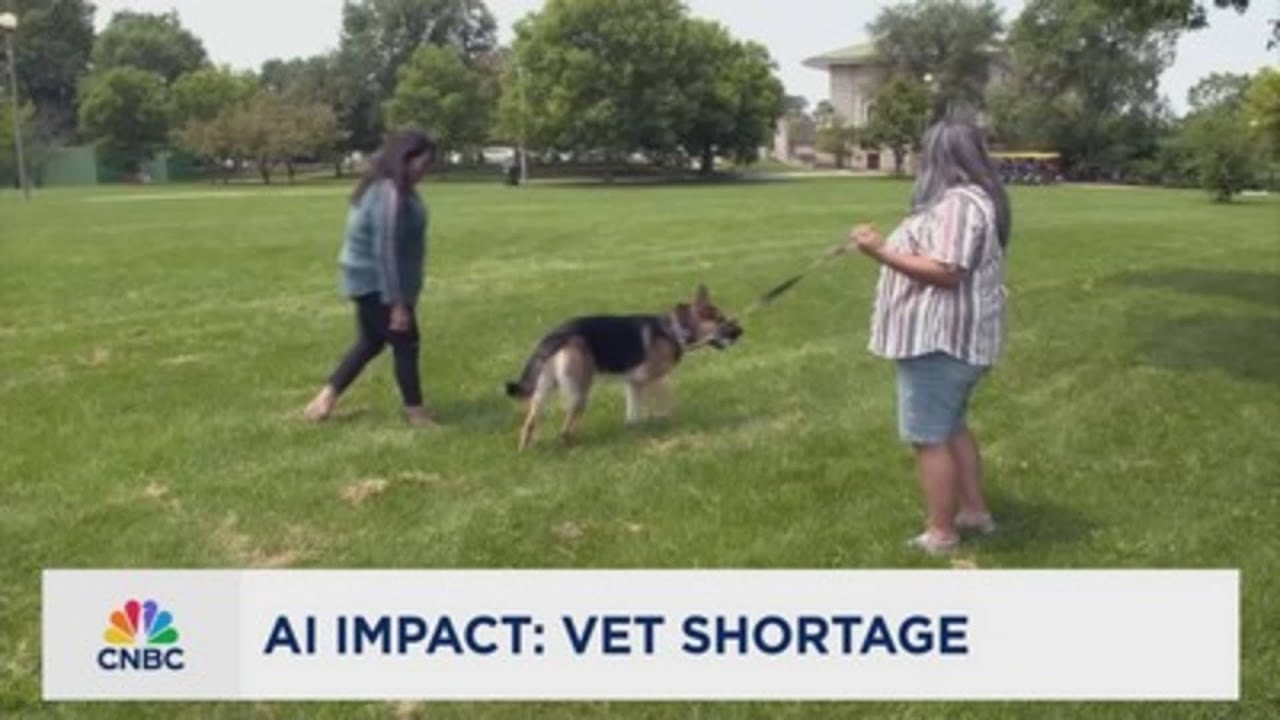
Artificial intelligence is rapidly becoming a critical lifeline for the U.S. veterinary industry, grappling with an acute labor shortage even as pet ownership reaches unprecedented levels. As explored in Julia Boorstin’s CNBC report, innovative AI-powered tools and platforms are not just streamlining operations but fundamentally altering how animal hospitals manage staffing and diagnostics, offering a potent solution to a systemic challenge. This shift, highlighted by insights from Roo CEO Danny Leffel and Dr. Colleen Lambo, a practicing veterinarian, underscores AI’s transformative potential in a sector traditionally reliant on manual processes.
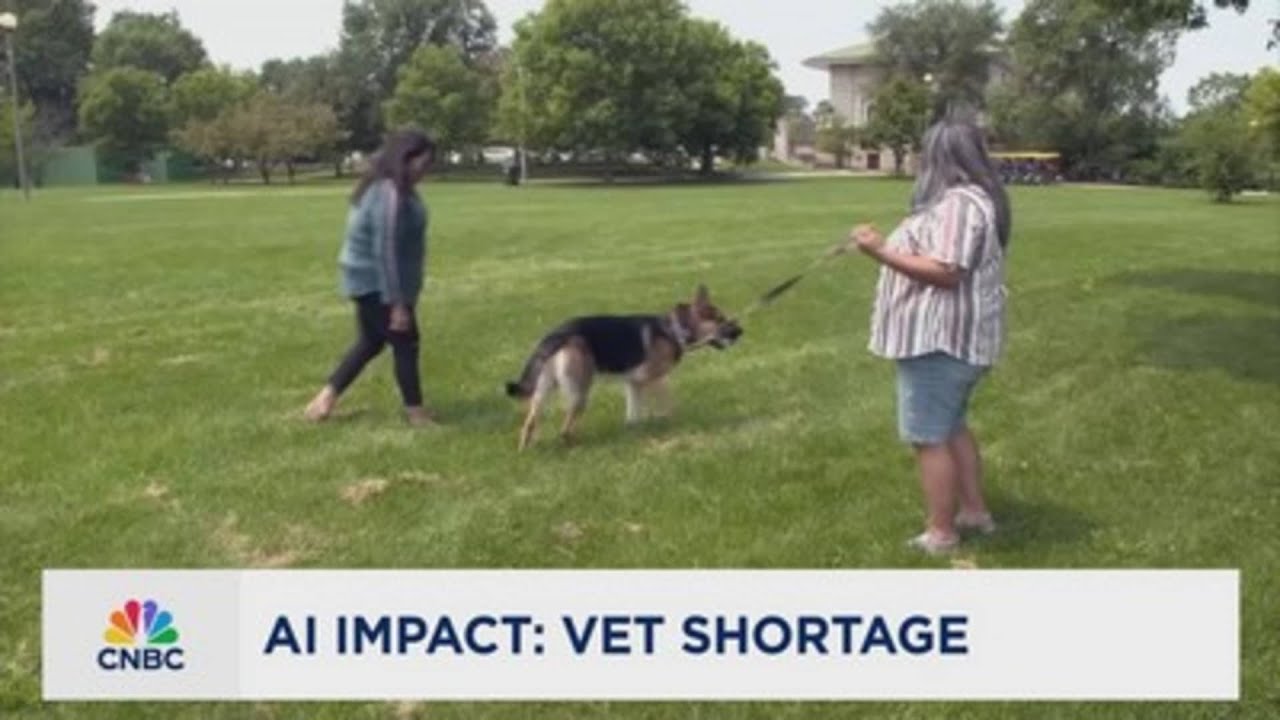
The demand for veterinary services far outstrips the current supply of professionals, with one estimate from Mars Petcare suggesting a nearly 40% increase in vets is needed over five years. This deficit creates immense pressure on existing staff, leading to burnout and extended wait times for pet owners. Roo, an AI-powered marketplace, directly addresses this by connecting animal hospitals with freelance veterinary workers, departing from the traditional single-hospital employment model. Danny Leffel, Roo's CEO, explained the platform's core mechanism: "Every shift that is matched between a veterinarian and a hospital is done so using AI, with a price that's set by AI to both maximize the earnings that veterinarians can make on our platform and also maximize the amount of shifts that we're ultimately covering." This dynamic allocation optimizes both vet income and hospital coverage.
Beyond staffing, AI is drastically enhancing operational efficiency within clinics. Dr. Colleen Lambo, a veterinarian utilizing these new technologies, shared her experience with Covet, an "AI co-pilot" that records, transcribes, and automates the input of appointment notes. This administrative automation frees up significant time previously spent on paperwork. "I can tell you that I haven't stayed late at a clinic since starting to use my AI software," Dr. Lambo noted, adding that historically, she would often stay an "hour to an hour and a half after" her shift.
This efficiency extends to diagnostic accuracy.
Dr. Lambo also employs an AI-enhanced stethoscope, which improves the precision of readings, providing immediate data that traditionally required more subjective interpretation.