
The AI Buildout Will Take Years, Not Months
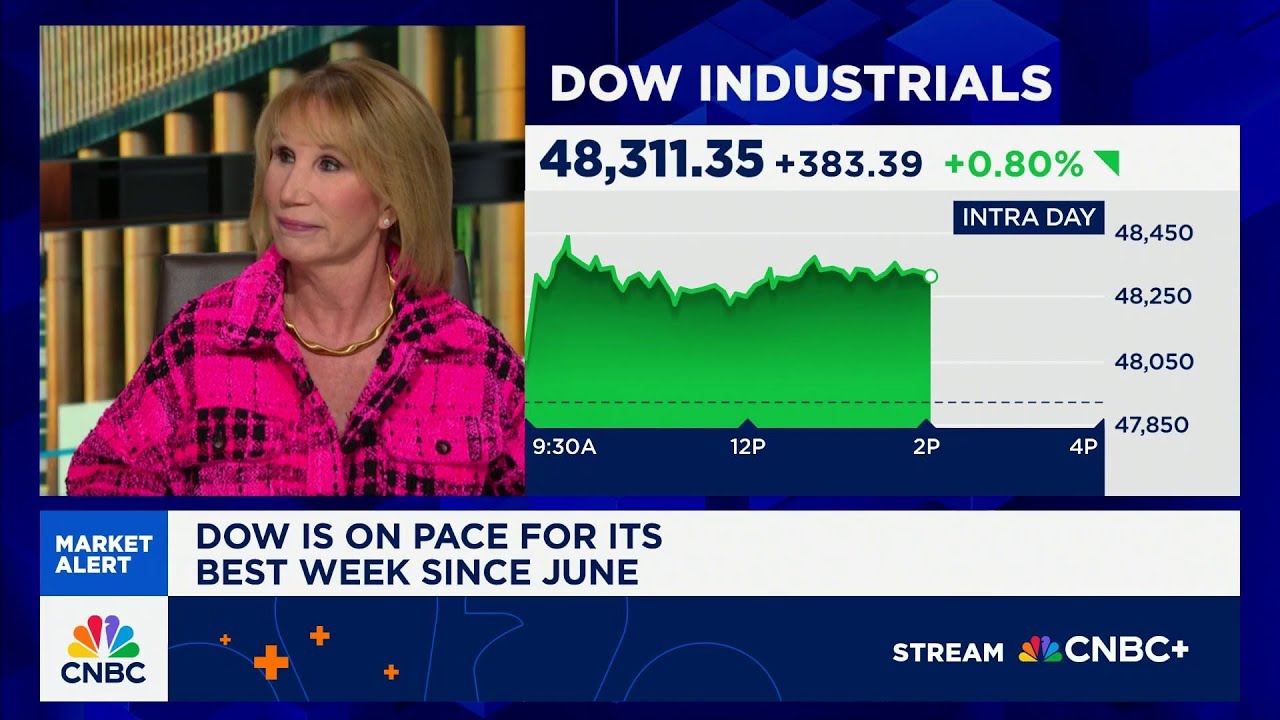
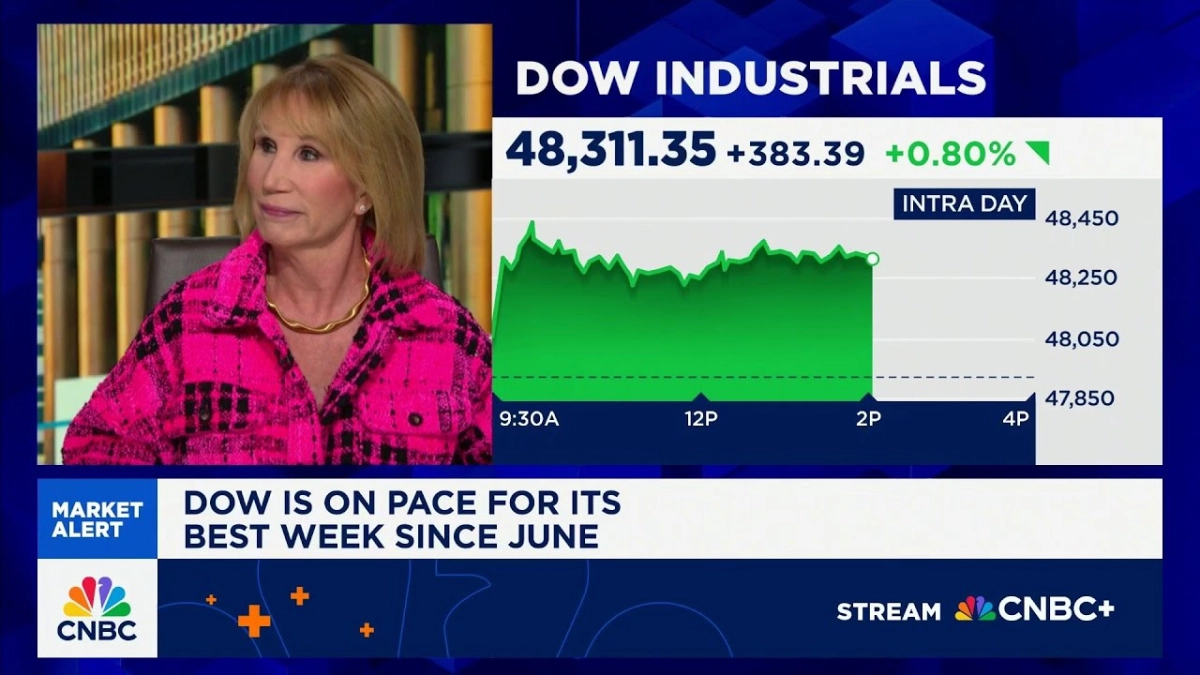
Mary Ann Bartels, chief investment strategist at Sanctuary Wealth, joined CNBC's 'Power Lunch' to discuss the current market landscape, focusing on the impact of artificial intelligence and the ongoing digital transformation. Bartels offered a nuanced perspective, emphasizing that while AI is a significant driver of earnings growth, its full buildout will be a multi-year endeavor, not a short-term phenomenon.
Bartels spoke with the anchors at CNBC about equity markets and the implications of AI for corporate earnings. She highlighted that the current market is experiencing a digital era, which has been further amplified by the introduction of AI. Bartels noted that the market has taken time to understand and price in the impact of AI.
One of the key insights from Bartels is that "Big tech is still the leader of this market and that's where the earnings are coming from, so we still like this space." This suggests that companies at the forefront of AI development and implementation are currently the primary beneficiaries and are expected to continue driving market performance. The narrative around AI is not just about the technology itself, but also about the infrastructure and services that support it.
Bartels also provided a forward-looking view on the AI bubble, stating, "We think the AI bubble is coming but it may still have many years to inflate." This implies that while there is significant excitement and investment in AI, the market is still in the early stages of its expansion. The buildout phase, which involves substantial investment in hardware, software, and infrastructure, is projected to unfold over the coming years, suggesting a sustained period of growth and innovation rather than an immediate peak. This long-term perspective is crucial for investors and businesses looking to capitalize on the AI revolution.
Furthermore, Bartels shared her strategic outlook on international markets, noting, "One of our favorite markets outside the U.S. is Europe as it's entering a new secular bull market." This diversification strategy suggests that while U.S. tech companies are leading the current market, other regions are also presenting attractive investment opportunities. The concept of a "secular bull market" indicates a long-term upward trend, driven by fundamental economic and technological shifts.
The discussion also touched upon the tangible impact of AI on infrastructure, such as data centers. Bartels illustrated the scale of this buildout by mentioning the immense capital expenditure involved. She highlighted that estimates for AI-related investments in data centers and electricity demand are in the trillions of dollars, a figure she described as "incomprehensible" and "mind-blowing." This underscores the massive infrastructure requirements needed to support the widespread adoption of AI technologies.
Bartels' analysis also addressed the cyclical nature of market trends. She observed that the market has been in a bull market for approximately three years, and the recent performance suggests a potential reset. She noted that in previous market cycles, significant pullbacks of 15-20% occurred every four years. However, she also pointed out that these pullbacks are now happening more frequently, and the pace of technological advancement is accelerating.
Related Reading
- Anthropic announces $50B nationwide AI infrastructure buildout
- AI Investment: A Multi-Year Imperative Driven by Foundational Platforms
- AI's Energy Hunger Threatens Grid Stability
The conversation emphasized the importance of understanding the underlying drivers of market movements. Bartels' insights suggest that while AI is a powerful catalyst, its impact is multifaceted, influencing not only technology companies but also sectors like construction and energy due to the demand for data centers and electricity. The market's trajectory is shaped by a combination of technological innovation, economic cycles, and investor sentiment.
Bartels' perspective offers a grounded view amidst the hype surrounding artificial intelligence. Her emphasis on a multi-year buildout and the cyclical nature of markets provides a valuable framework for understanding the long-term implications of AI for investors and the broader economy. The sheer scale of investment required for AI infrastructure signifies a transformative period ahead, with significant opportunities and potential challenges for businesses and investors alike.