


"AI buildout is still in the beginning phase," asserted Brent Thill, Jefferies' Tech Research Analyst, on CNBC's Power Lunch. This foundational stage, he argues, is less about immediate application monetization and more about critical infrastructure development, signaling a prolonged and lucrative investment cycle for the tech sector.
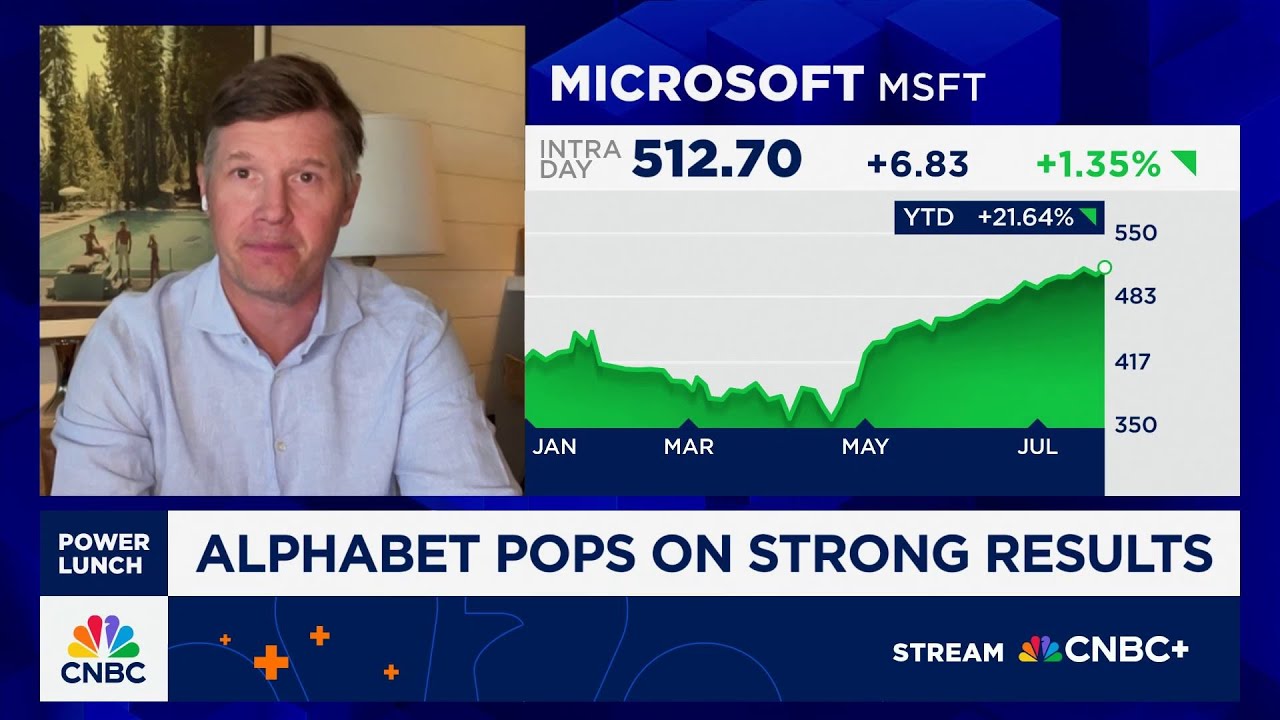
Thill, discussing the latest big tech earnings and the broader outlook for the "Magnificent Seven" stocks, offered a nuanced perspective on the artificial intelligence landscape and its implications for industry giants like Alphabet, Microsoft, and Amazon. His analysis centered on the substantial capital expenditure flowing into public cloud infrastructure, a prerequisite for widespread AI adoption across enterprises.
Alphabet's robust Google Cloud Platform (GCP) performance, marked by a significant increase in capital expenditure from $75 billion to $85 billion, clearly signals a massive foundational investment in public cloud. "All the incremental raise and the CapEx from 75 to 85 billion is all going to public cloud," Thill stated, underscoring the scale of this shift. This infrastructure buildout isn't exclusive to Google's benefit; it suggests a broader trend that should also bolster Amazon Web Services (AWS) and Microsoft Azure, given their dominant positions in the cloud market. For founders and VCs, this translates to sustained demand for underlying compute, storage, and networking technologies.
Despite the pervasive hype, genuine enterprise adoption of AI applications remains surprisingly nascent. Thill estimates that "less than 5% of total revenue from the software industry is in AI." A significant impediment is that many large enterprises still run 70-80% of their operations on-premise. "You can't do AI until you basically consolidate and centralize your data," he emphasized, highlighting the critical need for cloud migration as a precursor to advanced AI integration. This foundational work represents a substantial, multi-year runway for cloud providers and supporting data infrastructure companies.
The broader market sentiment, initially tempered by macroeconomic concerns, is now shifting towards a more confident outlook on AI's enterprise potential. Thill pointed to IBM's CEO, who "went from cautious optimism to optimism" on their recent earnings call. This pivot reflects increasing confidence among enterprise leaders who recognize the urgent imperative to invest in AI capabilities to remain competitive. The move from hesitation to proactive investment signifies a maturing understanding of AI's strategic value. While early narratives suggested AI could disrupt Google's core search business, Thill believes this "inevitable fear that AI is going to get them" is waning. Google's strong Q2 results, despite these concerns, demonstrate its resilience and proactive embrace of AI. He noted that investor sentiment towards Google has been "the worst of Google of any name I cover," with many institutional investors underweighting the stock. However, the current performance and strategic investments suggest that this skepticism may be overblown, as Google actively navigates and leads the AI transformation. The initial "boogeyman" of AI displacing Google search appears to have been an oversimplification of a complex, evolving landscape.