

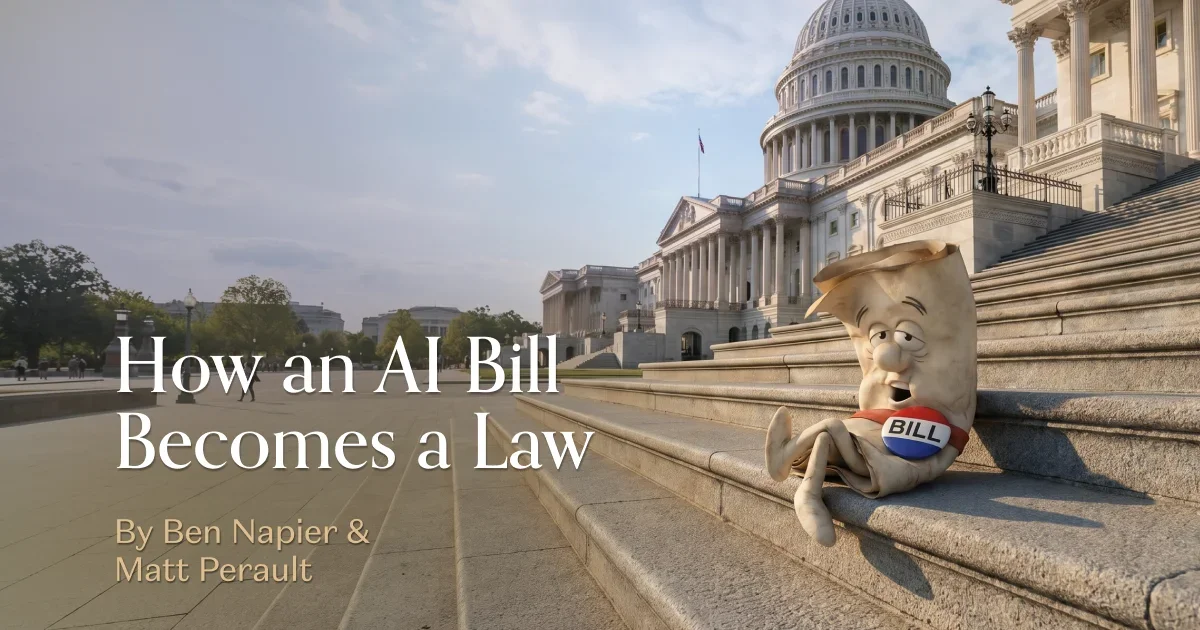
Forget Saturday morning cartoons. The animated explanation of how a bill becomes a law glosses over the brutal realities of modern Congress. For artificial intelligence legislation, the path from idea to enacted law is less a pipeline and more a meat grinder.
Hundreds of AI bills have been introduced in Congress since generative AI tools like ChatGPT burst onto the scene in late 2022. Yet, only one, the Take It Down Act, has become law. This isn't solely due to industry lobbying or partisan deadlock; it's a structural issue inherent in the legislative process itself. As detailed by the policy team at a16z, which includes former House Majority Leader staff, the US Congress is not designed for swift policy translation, especially for complex, cross-cutting issues like AI. For insights into navigating this landscape, consider resources like ZeroDrift exits stealth with $2M for AI compliance.