

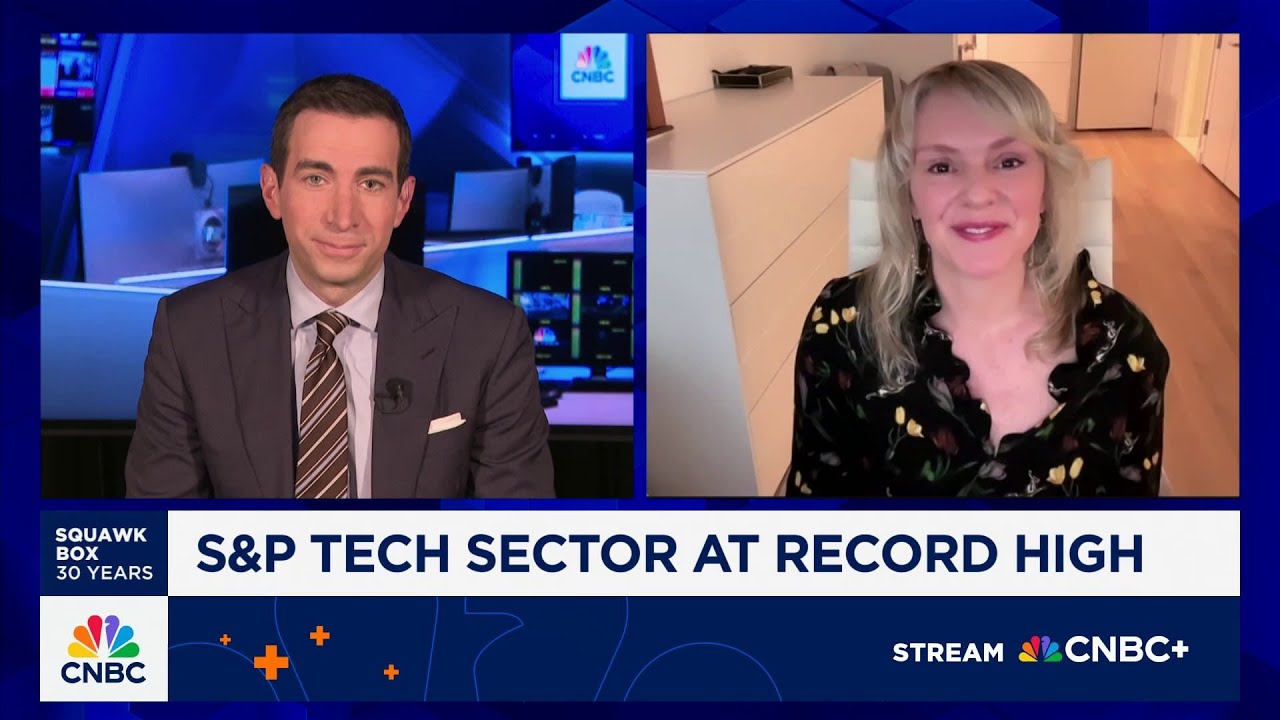
The current market rally is not merely a reflection of anticipated Federal Reserve interest rate adjustments, but rather a profound testament to the burgeoning power of artificial intelligence and robust corporate earnings. This perspective was recently articulated by Sylvia Jablonski, CEO and Chief Investment Officer of Defiance ETFs, during an interview on CNBC's 'Squawk Box' with Andrew Ross Sorkin. Jablonski offered sharp commentary on the latest market trends and the state of the economy, particularly focusing on the underlying drivers of sustained growth amidst shifting monetary policy expectations.
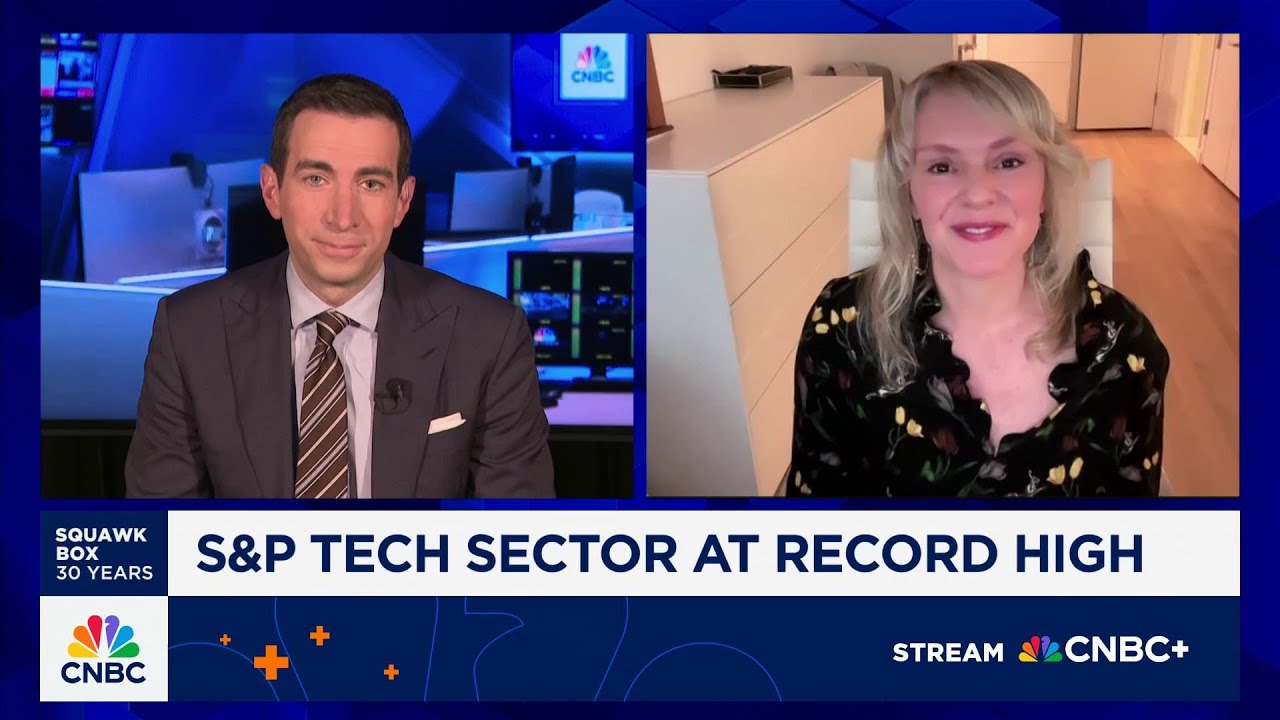
Challenging the prevailing narrative that market buoyancy is solely tied to the Federal Reserve’s potential rate cuts, Jablonski asserted, “I think that the market continues to rally because of corporate earnings and because of the future story really around AI and infrastructure and the continued opportunities there.” This highlights a crucial divergence in interpretation: while some analysts fixate on macroeconomic indicators and central bank actions, Jablonski posits that the market's upward trajectory is fundamentally propelled by the tangible performance of corporations and the immense, still-unfolding potential of AI. Corporate earnings, she noted, were solid in the last quarter, with forward-looking earnings looking equally promising. Even as job numbers show signs of weakening, consumer spending has remained resilient, further buttressing the market’s foundation.
The discussion naturally gravitated towards specific examples of AI's market impact, with Oracle serving as a prime case study. Its recent stock surge, which saw a significant gain before a slight pullback, was directly attributed to its deepening engagement in the AI sector. Sorkin raised a pertinent question regarding the sustainability of funding for AI startups like OpenAI, questioning whether they could continue to raise the necessary capital to cover their immense data center and infrastructure costs, especially given their current profitability challenges.
Jablonski, however, painted a more optimistic picture for Oracle specifically, suggesting its stock was "potentially undervalued all of this time." She pointed to the company's substantial financial commitments and growth in its cloud services. Oracle boasts approximately $455 billion in forward-looking contracts, with an impressive 77% year-over-year growth in its cloud segment. The company is projected to generate $144 billion in cloud revenue by 2030, a clear indicator of its strategic positioning.
This data underscores Oracle's strategic repositioning, with Jablonski noting, “Oracle is really positioned itself as a staple in AI.” The company, once perhaps overlooked by some, is now seen as a critical backbone for AI infrastructure, much like IBM's role in quantum computing. As the growth in AI, machine learning, and the training of complex AI models continues, companies providing this foundational infrastructure stand to benefit significantly.