


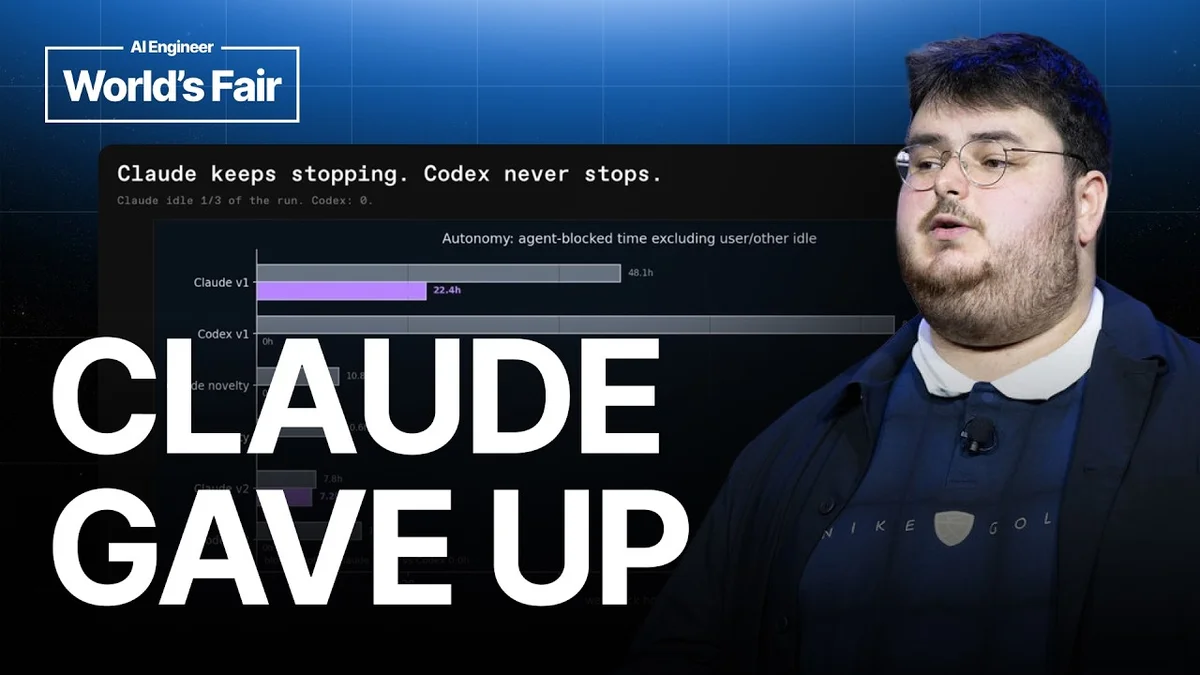
Prime Intellect let Claude Code and Codex race human researchers on a NanoGPT speedrun and the agents won on time, per AI Engineer.
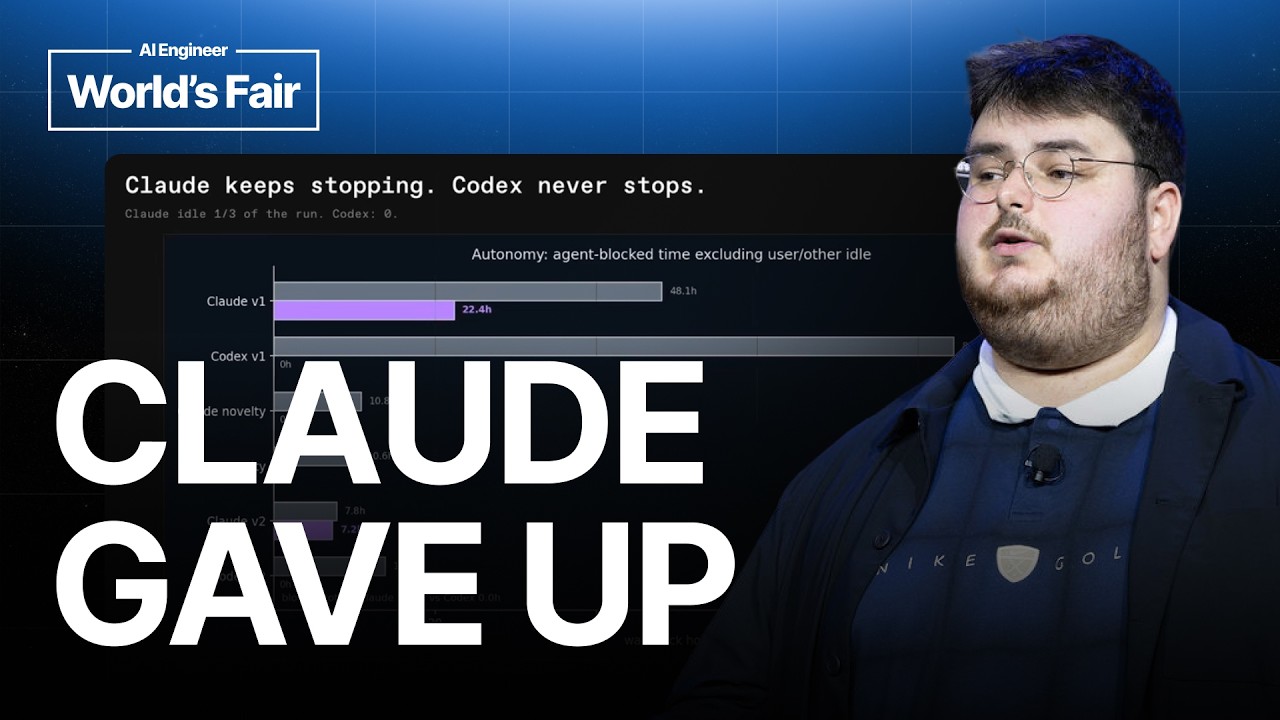
Research engineer Elie Bakouch described the setup as a test for recursive self-improvement that labs can run in the open. The game is simple. Reproduce GPT-2 validation loss in the shortest wall-clock time, using the same data. It started with Andrej Karpathy training GPT-2 from scratch in 90 minutes, then community work led by Keller Jordan squeezed that to under two minutes. That history made the speedrun a tight, verifiable benchmark.
The wrinkle is which speedrun you play.
The original NanoGPT track lets you change almost anything. The newer optimizer speedrun, released a few months before the talk, restricts changes to optimizer-related parameters only, such as swapping Adam for Muon or Shampoo. That constraint is what makes it researchy. You cannot just engineer faster kernels. You have to find a better method.
Prime Intellect launched two agents about two months before the talk. Codex, running as GPT-5.1 with extended thinking, and Claude Code, running as Opus 4.5 with extended thinking, were given a minimal agent loop on a SLURM cluster with preemptable permissions, a scratch pad for memory, and the ability to sbatch jobs, read logs, and claim a record only after a statistical threshold. Reward was binary. Beat the last record and you score. Miss and you get zero.