

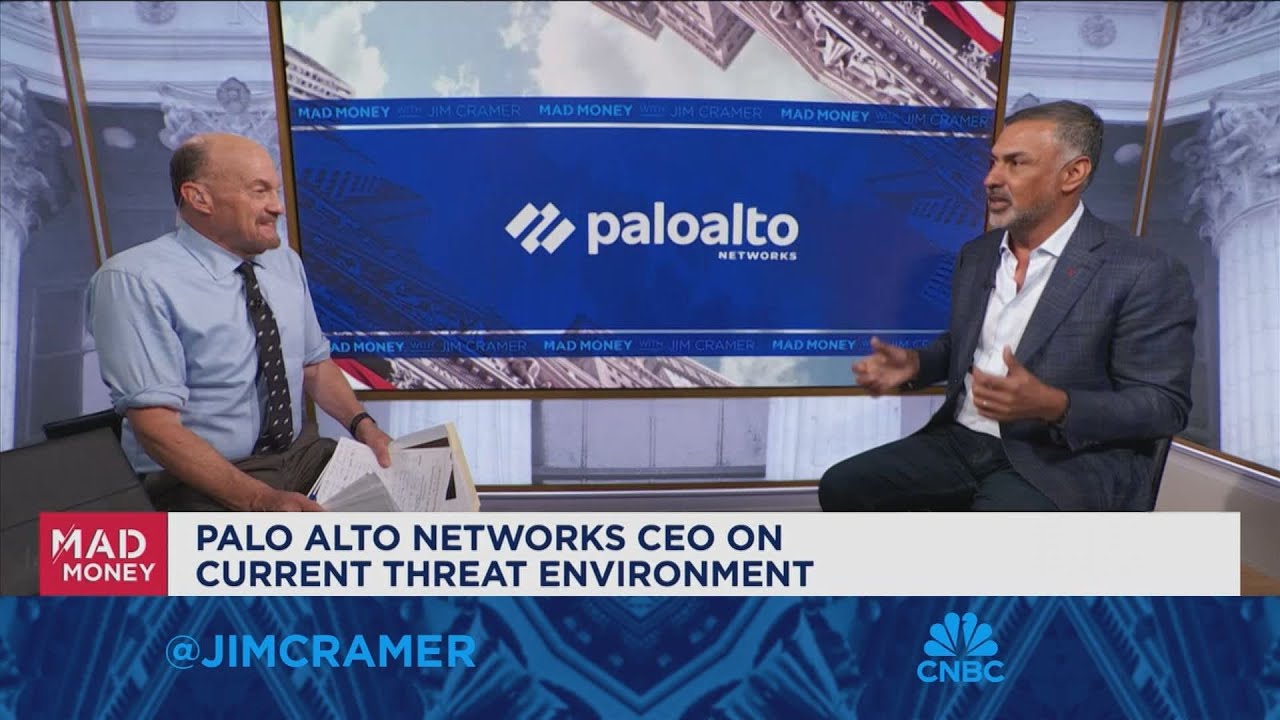
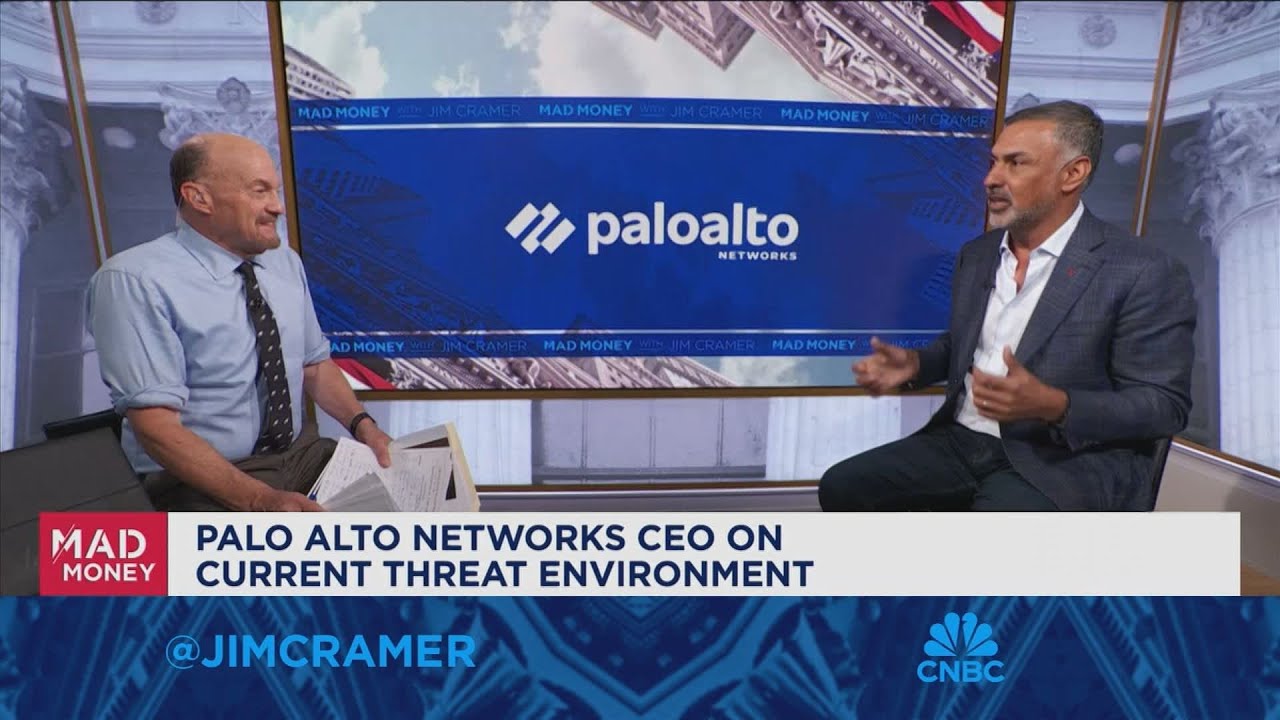
Nikesh Arora, Chairman and CEO of Palo Alto Networks, issued a stark warning regarding the future of agentic browsers in corporate environments, predicting they would be "banned in enterprises" within 24 months if not properly secured. This bold assertion, made during his appearance on Mad Money with Jim Cramer, cuts directly to the core conflict between the convenience of emerging AI technologies and the stringent demands of enterprise cybersecurity. Arora’s insights emerged from a discussion encompassing Palo Alto’s quarterly results and the evolving threat landscape, particularly concerning the browser as a critical access point for sensitive business data.
The allure of agentic browsers for consumers is undeniable. Arora himself highlighted their potential: "An agentic browser for me as a consumer is great... Next time I come to New York, it can book my ticket, it can get me a reservation, it can get me an Uber, it can do all kinds of stuff." This vision of a self-executing, highly efficient digital assistant is compelling, promising to streamline countless personal tasks.
However, this very autonomy presents a formidable challenge in the enterprise. For an agentic browser to perform such tasks, it inherently requires access to a user's credentials and the authority to act on their behalf.
"But that means it has to take my credentials and use them," Arora emphasized, pinpointing the critical security vulnerability. The question of relinquishing control to an autonomous entity is paramount for any IT professional. Arora articulated the fundamental clash: "When you get into agentic tasks, credentials become very important. And your ability and desire to give them autonomy becomes important. Will you let it decide for you?" This autonomy, while beneficial for individual productivity, directly contradicts the enterprise's need for granular control over data access and operational processes. A browser acting independently, even with good intentions, could inadvertently expose sensitive information or execute unauthorized actions.
"It's at odds with the enterprise," Arora stated unequivocally. He elaborated that a browser "doing things on its own by taking my credentials... as the CIO or IT professional, I want to control the browser in the enterprise space because I don't want it to run loose with me." Without robust, enterprise-grade controls, agentic browsers represent an unacceptable risk, turning a potential productivity boon into a gaping security hole. Palo Alto Networks, through its Prisma Browser, aims to provide such protection, specifically designed to counter highly evasive threats. This solution reflects a recognition that the browser, where over 85% of a worker's day is spent accessing critical apps and sensitive data, demands specialized security at the edge.