

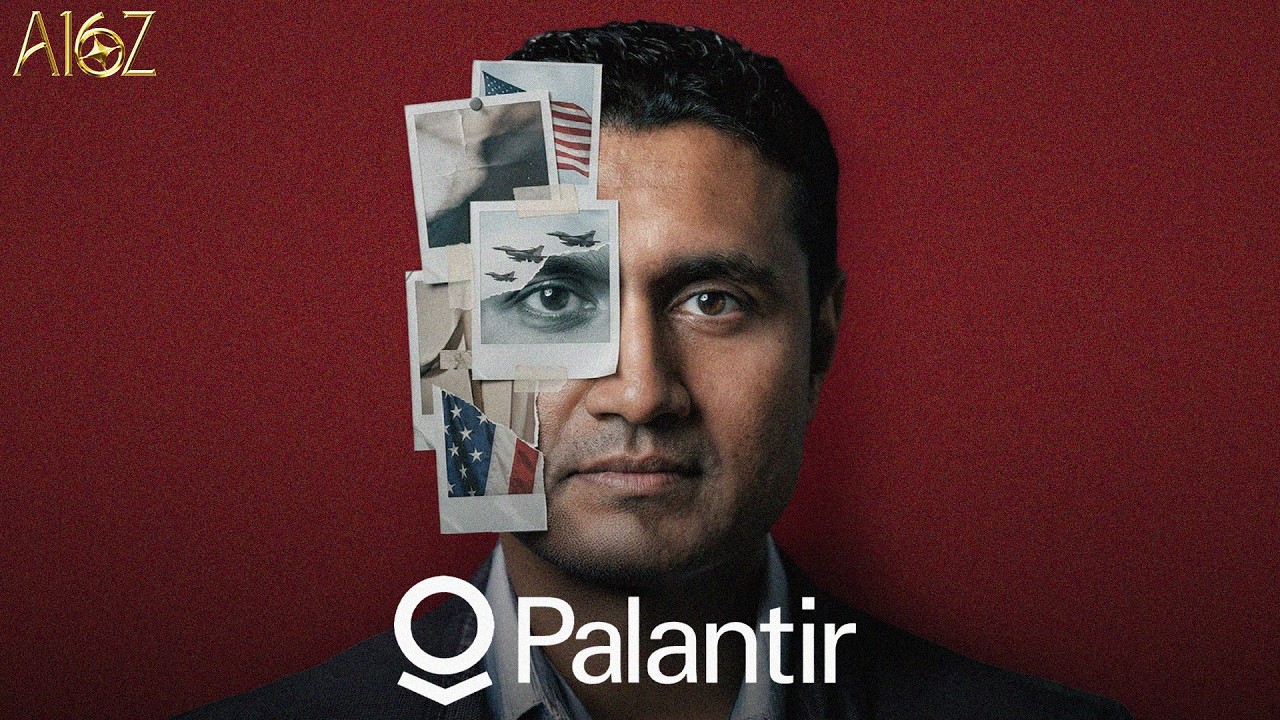
In a recent discussion on The a16z Podcast, featuring General Partners Erik Torenberg and Katherine Boyle, with Shyam Sankar, CTO of Palantir Technologies, the conversation delved into the evolving landscape of artificial intelligence, particularly the shift from 'beta' to 'alpha' approaches in AI development and deployment. Sankar, a prominent figure in the AI and data analytics space, highlighted the critical distinction between these two approaches and the implications for the future of AI adoption.
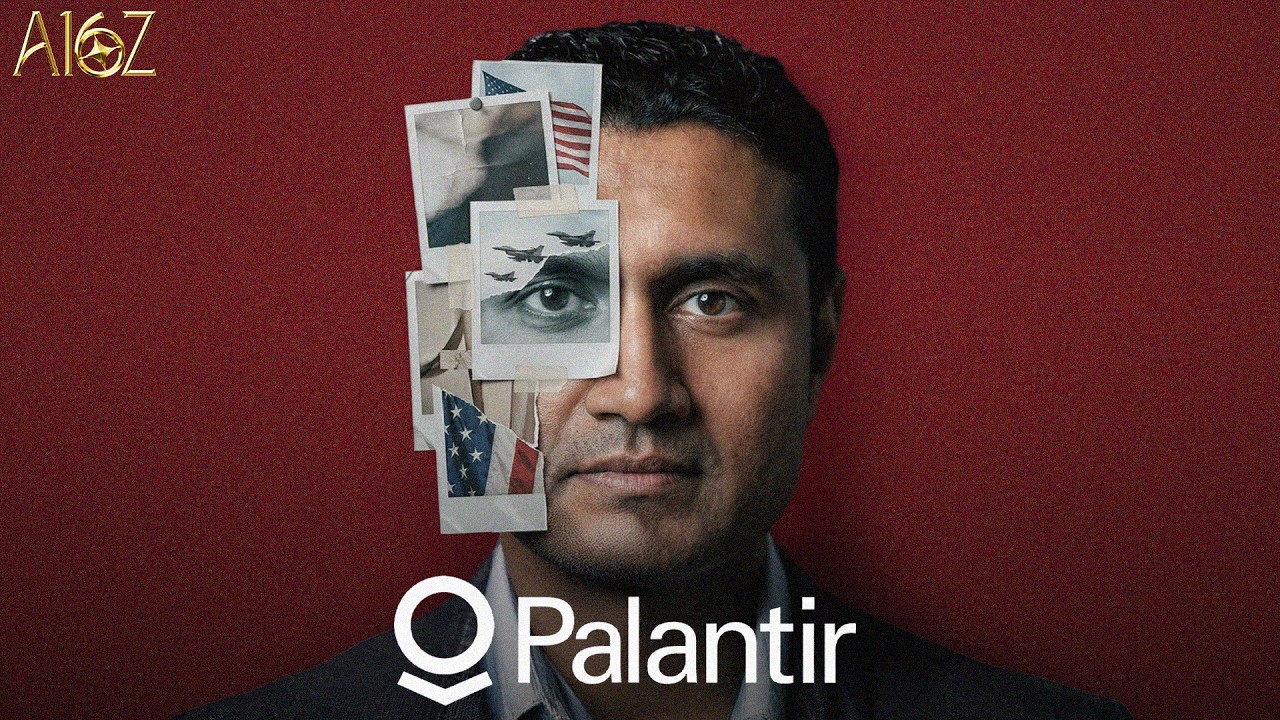
Shyam Sankar: A Leader in Applied AI
Shyam Sankar, as the Chief Technology Officer of Palantir Technologies, is at the forefront of applying advanced data analytics and artificial intelligence to solve complex problems for governments and large enterprises. Palantir is renowned for its work in data integration, predictive analytics, and operational decision-making, often in highly sensitive sectors like defense and national security. Sankar's role involves guiding the company's technological vision and ensuring its platforms can deliver real-world impact. His perspective is informed by years of experience navigating the practical challenges of deploying cutting-edge AI in demanding environments.
Erik Torenberg and Katherine Boyle: Navigating the VC Landscape
Erik Torenberg, a General Partner at Andreessen Horowitz (a16z), is deeply involved in identifying and supporting emerging technology companies, with a particular focus on the intersection of AI, software, and enterprise solutions. His work often involves advising startups on product-market fit and scaling strategies.
Katherine Boyle, also a General Partner at a16z, brings a wealth of experience in venture capital, focusing on investments in foundational technology, enterprise software, and AI. Her insights often touch upon market trends, investment strategies, and the broader technological ecosystem.
The 'Beta' vs. 'Alpha' Approach in AI
Sankar began by framing the current AI development paradigm through the lens of 'beta' versus 'alpha' approaches. He noted that while historically, technology development often prioritized 'alpha' solutions—highly polished, meticulously engineered, and thoroughly tested products—the current AI race is increasingly favoring 'beta' solutions. These 'beta' solutions are characterized by their rapid deployment, iterative development, and a willingness to learn and adapt through real-world usage and feedback. Sankar emphasized that in the current AI landscape, speed and adaptability are paramount, even if it means launching products that are not yet perfectly refined.
"You can't wait for the perfect moment to launch; you need to launch and iterate," Sankar stated, highlighting the iterative nature of AI development. He explained that the 'beta' approach allows companies to gather crucial data and user feedback to refine their models and applications much faster than traditional, more rigid development cycles would permit. This agile methodology is essential in a field that is evolving at an exponential pace.
The Shift Towards Physical AI and Robotics
The conversation also touched upon the significant trend of AI moving beyond purely software applications into the physical realm, particularly in robotics. Sankar pointed out that this transition presents a new set of challenges, requiring not just advancements in AI algorithms but also in hardware engineering, integration, and manufacturing. The development of sophisticated AI models is only one piece of the puzzle; bringing these models to life in tangible ways, such as in autonomous systems or advanced robotics, demands a holistic approach to technology development.
He drew a parallel to the early days of computing, where software was a significant innovation, but it was the hardware advancements that truly unlocked the potential of computing for the masses. Similarly, for AI to reach its full potential, particularly in areas like robotics, there needs to be a parallel evolution in hardware capabilities and the seamless integration of software and hardware.
Leadership and Trust in the AI Era
Beyond the technical aspects, Sankar emphasized the critical role of leadership and trust in the successful deployment of AI. He highlighted that as AI systems become more integrated into critical decision-making processes, particularly in sectors like defense and national security, the need for robust ethical frameworks, transparency, and accountability becomes paramount. Leaders in this space must not only understand the technology but also the societal implications and ensure that AI is developed and deployed responsibly.
The discussion also implicitly touched upon the historical context of technological development, referencing the "founding fathers" of various industries and the inherent challenges they faced. Sankar suggested that the current leaders in AI development are akin to these historical figures, tasked with not only building groundbreaking technologies but also shaping the future responsibly.
The Importance of Real-World Application
Sankar's insights underscored the practical challenges and immense opportunities in the current AI landscape. The shift towards 'beta' solutions and the integration of AI with physical systems like robotics are not merely technical trends but fundamental changes that will reshape industries and society. The ability of leaders to navigate these complexities, foster innovation, and build trust will be crucial in realizing the full potential of artificial intelligence.
