


Automakers face an escalating cost crisis from US automotive tariffs, a burden projected to become unsustainable by 2026. This financial pressure is compelling companies to either raise vehicle prices or cut features, according to a recent CNBC report analyzing industry warnings and forecasts.
Jeff Dyke, President of Sonic Automotive, a major dealership group, stated on a February 18, 2026, Q4 2025 earnings call that prices are unequivocally rising. Automakers, he noted, cannot absorb billions in losses without passing costs to consumers, indicating an inevitable shift for buyers in the coming months of 2026.
Toyota's Trillion-Yen Tariff Hit
Even industry giants like Toyota, the world's largest automaker, are feeling the pinch. Despite an 8% increase in US sales in 2025, its best year since 2017, and record sales for its luxury brand Lexus, tariffs are eroding profitability. Nine months into its 2026 fiscal year, US tariffs have cost Toyota 1.2 trillion Yen, equivalent to approximately $8 billion. This has contributed to a 25% drop in the company's profits.
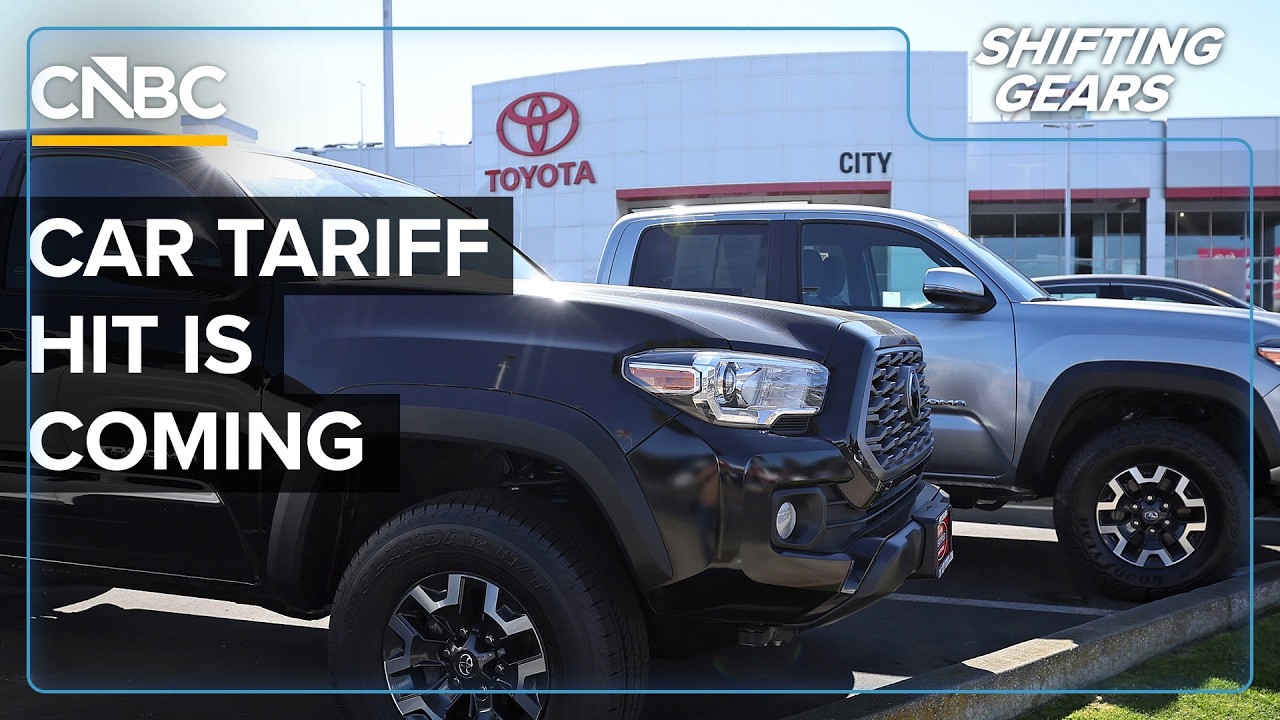
Toyota manufactures about 55% of its US-sold vehicles domestically across 11 factories. However, many popular and high-priced models, including most Lexus vehicles (excluding the TX crossover) and the best-selling mid-size pickup, the Tacoma, are produced outside the US. The Tacoma, for instance, is made in Mexico.
Tariff Structure and Investment Response
Current trade rules impose a 25% tariff on foreign-made parts used in cars built in Canada or Mexico. Imports from Japan, including vehicles and parts, face a 15% duty. Auto industry forecaster Sam Fiorani of AutoForecast Solutions suggests that while Toyota can invest in US suppliers to mitigate some tariff impacts, relocating production for models like the Tacoma is not feasible given existing US factories are already operating at full capacity.