


The prospect of new trade barriers, particularly the potential Trump AI chip tariffs 2026, is casting a long shadow over the future of artificial intelligence development. Industry leaders warn that such uncertainty could significantly impede the rapid buildout of essential AI infrastructure, from advanced chips to sprawling data centers, according to Bloomberg Technology.
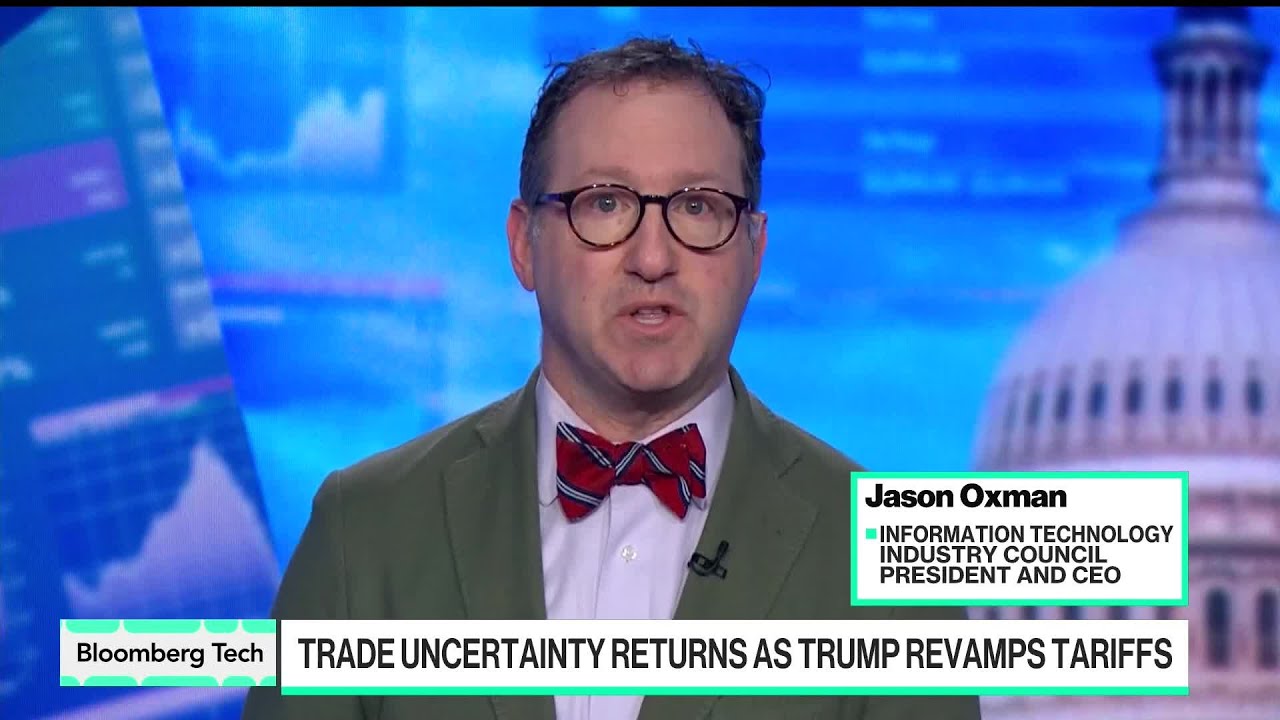
Jason Oxman, President and CEO of the Information Technology Industry Council, underscored the tech sector's urgent need for stability. Companies require predictable trade policies to make long-term investment decisions, a sentiment echoed by international partners like India and the European Union, which have recently faced or frozen trade talks due to tariff risks.
The current administration's strategy aims to bolster domestic manufacturing, encourage data center construction, and promote the export of American AI technology. However, tariffs on key components, including semiconductors and energy infrastructure equipment, could directly contradict these goals. Foreign investment is crucial, with hundreds of billions flowing into US semiconductor and data center projects from global partners.
Moreover, the global market for AI technology is vast, with 95% of consumers residing outside the United States. Tariffs not only deter the necessary inputs for US-based AI infrastructure but also hinder the ability of American-made AI products to reach international markets. Digital trade between the US and the EU alone approaches a trillion dollars, a market highly vulnerable to protectionist measures.
The tech industry's primary request is a re-evaluation of tariff strategies, emphasizing that tariffs are detrimental to investment in the very areas the US seeks to prioritize. Resolving this trade uncertainty swiftly is critical for fostering a robust and globally competitive American AI ecosystem, rather than inadvertently stifling its growth.