

Think 2026: AI Operating Model, Funding & CAIO Evolution

Think 2026: AI Operating Model, Funding & CAIO Evolution
IBM

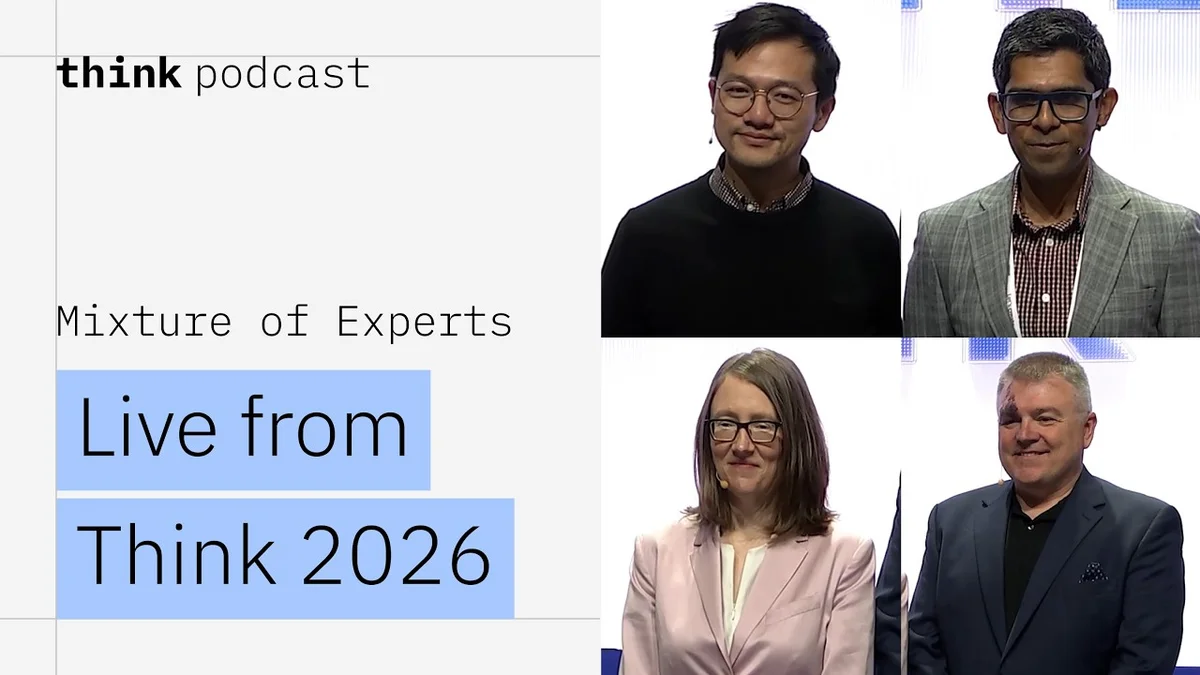
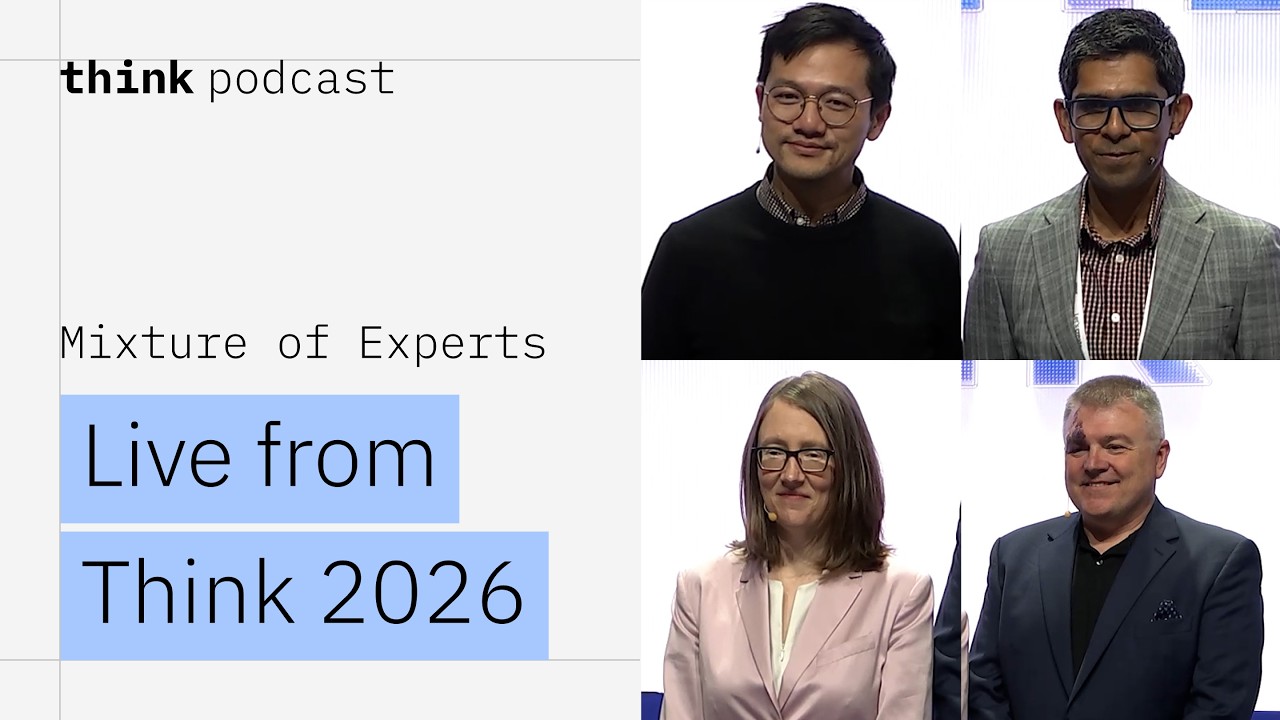
Live from IBM Think 2026 in Boston, the latest episode of "Mixture of Experts" delved into the evolving landscape of artificial intelligence, exploring the operational models, funding trends, and the burgeoning role of Chief AI Officers. Host Tim Wuang was joined by a panel of industry leaders, including Ambhi Ganesan, AI Transformation Leader at IBM; Hillary Hunter, GM of IBM Power and CTO of IBM Infrastructure; and Tim Crawford, founder and CEO Strategic Advisor for Avoa.

AI's Pervasive Integration and the Maturing Landscape

The discussion highlighted a significant shift in how AI is perceived and integrated within organizations. Moving beyond isolated applications, AI is now seen as a pervasive technology capable of transforming entire business processes. Hillary Hunter noted that clients are excited about IBM's vision of AI driving end-to-end productivity, integrating across software development lifecycles and IT operations. This contrasts with earlier, more domain-specific approaches, indicating a maturation in how AI is being deployed and managed.

Tim Crawford emphasized that AI itself is not new, but the current phase is about strategically applying it for maximum return. He pointed out the trend of companies moving from the initial 'hype phase' into a period of 'lessons learned,' focusing on long-term vision and business impact. This shift requires a more cohesive, organization-wide approach to AI implementation, rather than siloed departmental efforts.

Related startups

The full discussion can be found on IBM's YouTube channel.
Live from Think 2026: AI operating model, VC funding & CAIO evolution - IBM
Live from Think 2026: AI operating model, VC funding & CAIO evolution — from IBM

The Rise of the Chief AI Officer and Governance

A significant portion of the conversation revolved around the emergence and evolution of the Chief AI Officer (CAIO) role. The panel agreed that while the specific titles and responsibilities may vary, the need for dedicated AI leadership is clear. Hillary Hunter observed that organizations with a strong Chief AI Officer or a dedicated AI function tend to move faster and more effectively in their AI adoption journeys. She stressed the importance of this role in fostering cross-functional collaboration, bringing together IT, security, and business leaders to ensure successful AI deployments.

However, the discussion also underscored the critical importance of governance and risk management. Tim Crawford warned that simply embracing AI's potential without a robust governance framework is a recipe for trouble. He highlighted that as AI models are deployed, ensuring transparency, explainability, and traceability of decisions is paramount. The trend of AI models becoming more complex and integrated into daily operations means that organizations must proactively establish guardrails to mitigate risks, such as unintended consequences or the misuse of AI agents.

AI-Driven Decisions and Evolving Trust

The IBM Institute for Business Value CEO study revealed a significant statistic: 64% of CEOs are comfortable making major strategic decisions based on AI-generated input. Tim Wuang noted this as a potentially significant threshold, suggesting a growing trust in AI's reliability. However, the panel cautioned that this reliance is built on implicit trust, which could be fragile. They highlighted that past experiences with AI adoption have taught valuable lessons about the need for careful implementation, including understanding the underlying data, the models used, and the potential for errors or biases.

The conversation also touched upon the evolving nature of AI in business. From automating routine tasks to driving complex decision-making, AI's capabilities are expanding. However, the panel stressed that AI is not a magic bullet; it requires careful management, robust governance, and a clear understanding of its limitations and risks. The focus is shifting from simply having AI to ensuring AI is used responsibly and effectively to drive tangible business value.

The Future of AI and Organizational Structure

Looking ahead, the panel discussed the potential future trajectory of AI within organizations. While some believe that as AI adoption matures, dedicated CAIO roles might become less necessary, others see them as evolving to work more closely with other executive functions, such as the Chief Human Resources Officer (CHRO) or Chief Information Officer (CIO), to drive broader organizational transformation. The key takeaway is that AI is not just a technological revolution, but a fundamental shift in how businesses operate and make decisions, requiring a holistic and strategic approach.

© 2026 StartupHub.ai. All rights reserved. Do not enter, scrape, copy, reproduce, or republish this article in whole or in part. Use as input to AI training, fine-tuning, retrieval-augmented generation, or any machine-learning system is prohibited without written license. Substantially-similar derivative works will be pursued to the fullest extent of applicable copyright, database, and computer-misuse laws. See our terms.