


The Supreme Court has delivered a significant win for retailers, granting relief from certain Trump-era tariffs, a decision likely to kick off a complex fight over an estimated $170 billion in potential refunds. This ruling, potentially related to the broader "Trump tariffs IEEPA ruling 2026" landscape, offers a reprieve for businesses that have grappled with increased import costs for years.
The tariffs in question were initially imposed by the Trump administration, leveraging Section 122 of the 1974 Tariff Code, with rates escalating from 10% to 15% on various goods. According to Bloomberg Intelligence Senior Equity Analyst Mary Ross Gilbert, these duties significantly impacted apparel retailers, with many experiencing a net tariff impact of 100 to 225 basis points on their annual margins.
Navigating the Refund Labyrinth
While the ruling signals a potential financial boon, the actual recovery of funds presents a logistical challenge. Gilbert highlighted the inherent complexity of a rebate process, describing it as a "nightmare" to track and recover funds that have already been paid. The question of whether these recovered funds should ultimately be passed back to consumers further complicates the scenario.
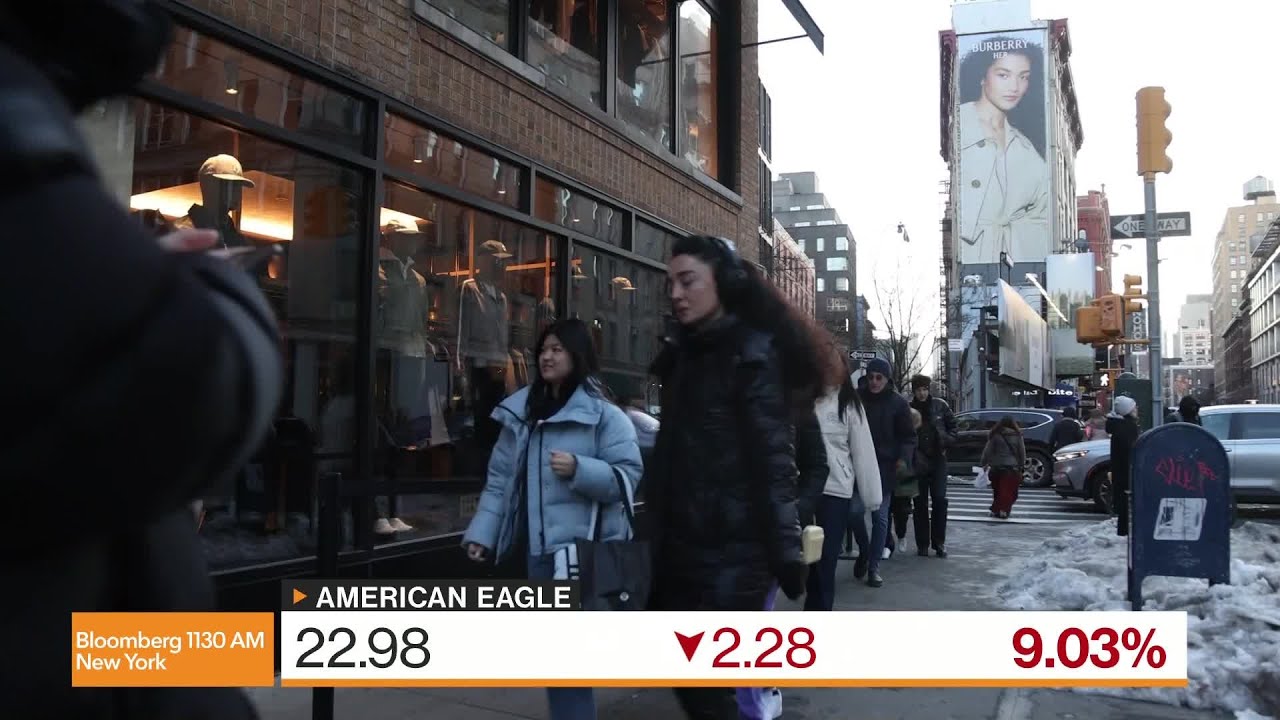
Many retailers had already implemented mitigation strategies, such as diversifying supply chains away from China or negotiating for suppliers to absorb a portion of the tariff impact. Some, like Ralph Lauren and Aritzia, even managed to post margin increases despite the tariffs, often by leveraging strong sales to offset costs and implement selective price increases. However, for most, the tariffs dented margins, with companies like Gap and Abercrombie & Fitch transparently disclosing the quarterly net impact of these trade barriers.
The Supreme Court's decision sets the stage for a prolonged legal and financial process as companies seek to reclaim billions in overpaid duties. The ultimate distribution and economic effect of these potential refunds will be closely watched across the retail sector and by consumers alike.