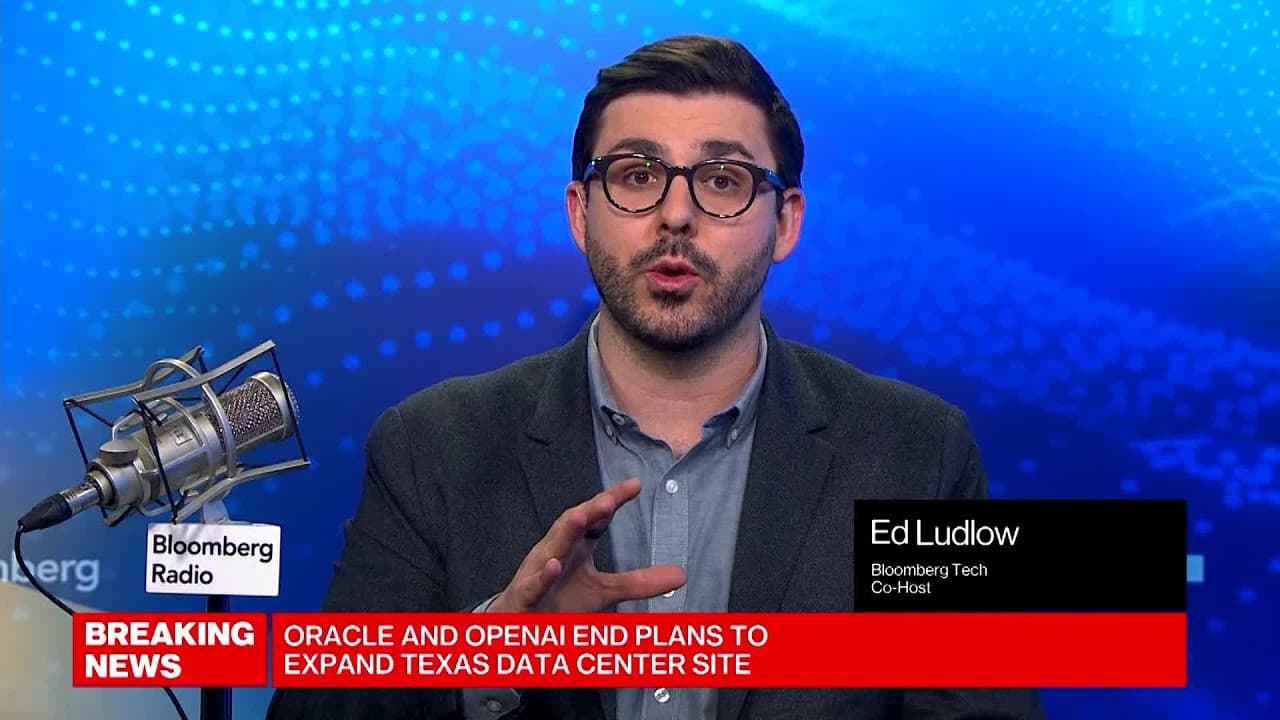
In a significant development for the AI infrastructure landscape, reports indicate that Oracle and OpenAI have ended their plans to expand a large data center site in Mesa, Texas. Concurrently, Meta Platforms is reportedly in discussions to lease the same facility. This potential shift has implications for the ongoing demand for AI computing power and the strategic partnerships forming within the industry.
Who Is Involved
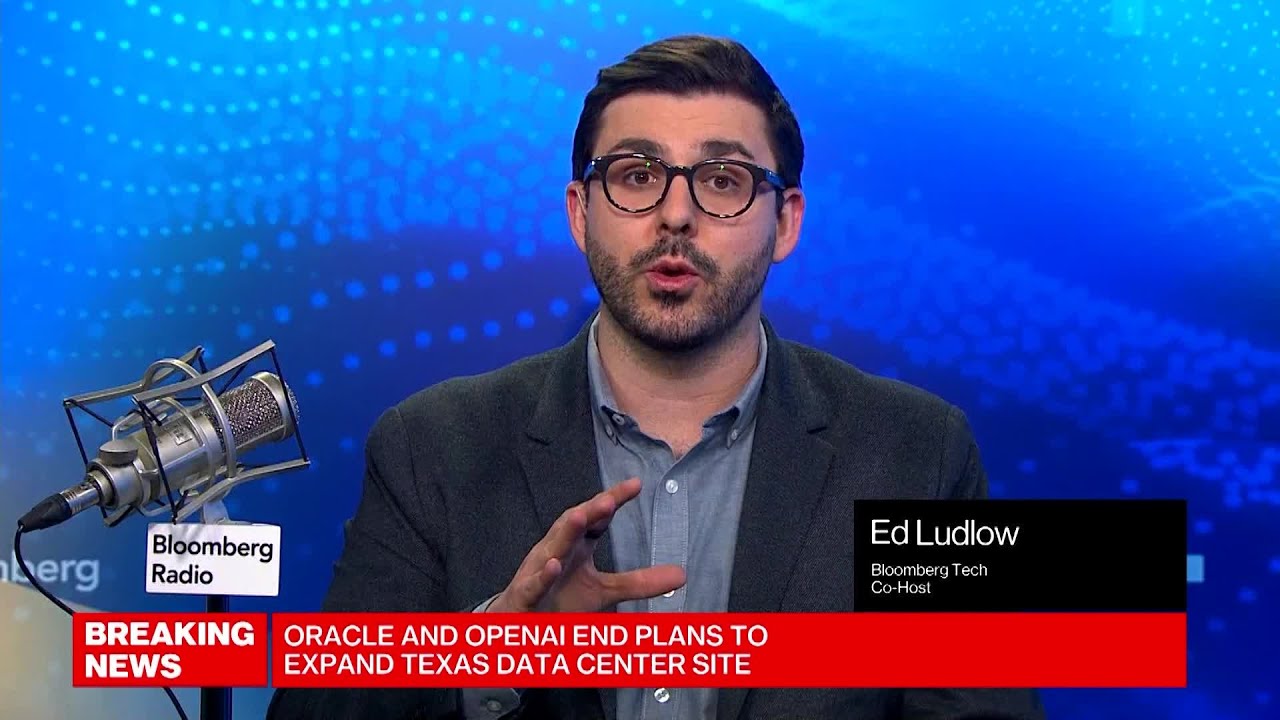
Ed Ludlow, a co-host for Bloomberg Technology, is reporting on this developing story. Ludlow is a seasoned technology journalist known for his coverage of the semiconductor and AI industries, providing insights into market trends, company strategies, and technological advancements.
The Texas Data Center Deal
The central piece of this news is a large data center site in Mesa, Texas, which was reportedly the subject of a planned expansion by Oracle to support OpenAI's burgeoning AI compute needs. This expansion aimed to increase the data center's capacity from 1.2 gigawatts (GW) to 2 GW. However, these plans have reportedly been terminated.
The full discussion can be found on Bloomberg Podcast's YouTube channel.
Meta's Potential Involvement
Following the breakdown of the Oracle-OpenAI agreement, Meta Platforms has entered into discussions to lease the same data center site. This move by Meta is particularly noteworthy given its own significant investments in AI infrastructure and its development of proprietary AI models.
Implications for AI Infrastructure and Competition
The demand for AI-specific computing power, particularly GPUs, has created a bottleneck for many companies. The ability to secure large-scale data center capacity is crucial for training and deploying advanced AI models. The situation in Mesa highlights the aggressive competition among major tech players to secure these critical resources.
"We understand from sources that Meta is in discussions with Crusoe, the developer of the data center site, to take on that additional capacity." - Ed Ludlow
Ludlow elaborated that the existing data center at the site is operational, with further expansion underway. The initial deal between Oracle and OpenAI was intended to secure the additional 0.8 GW of capacity, bringing the total to 2 GW. The fact that Meta is now looking to lease this capacity suggests a strategic pivot, possibly due to the challenges or delays encountered by Oracle and OpenAI in finalizing their agreement.
The Role of NVIDIA and AMD
The conversation also touched upon the broader market dynamics for AI hardware. Both NVIDIA and AMD are key players in providing the GPUs essential for AI workloads. Ludlow noted that while both companies have seen their stock prices fluctuate in response to such developments, the underlying demand for their products remains strong.
"Oracle is also a focus for investors because of its credit profile and the leverage that it has taken on to do this."
The report suggests that Meta's interest in this specific site might be driven by its own compute needs and potentially a desire to secure capacity outside of its existing internal infrastructure. The failure of the Oracle-OpenAI deal could be attributed to various factors, including potential difficulties in securing the necessary power or the terms of the agreement itself.
Strategic Considerations for Oracle and Meta
For Oracle, the termination of the expansion plans with OpenAI could signal a reassessment of its strategy for providing cloud infrastructure to AI companies. Its existing cloud services are a significant part of its business, and securing large AI clients is a key growth area.
Meta's potential entry into this specific deal underscores its commitment to scaling its AI capabilities. The company is known to build a substantial portion of its AI infrastructure in-house, but external partnerships for hyperscale data centers can offer flexibility and speed to market.
"We’ve talked a lot about the forecasting of energy demand, and I go back to it time and time again, PJ-M and its revised forecast, their announced projects… are on paper. They are not actually drawing power from the grid." - Ed Ludlow
Ludlow further explained that the issue of actual power draw versus announced projects is a critical consideration for investors. While many companies announce large data center plans, the physical realization and operationalization of these facilities, especially those requiring massive amounts of power, can present significant challenges.
Market Reaction and Future Outlook
The market reaction to these developments has been mixed. While Oracle's stock saw a slight dip, AMD and NVIDIA also experienced downward movement, indicating the interconnectedness of these companies within the AI ecosystem. The situation suggests that while the demand for AI compute is robust, the supply chain and infrastructure development are still facing significant hurdles.
The failure of the Oracle-OpenAI deal and Meta's subsequent interest in the Texas site highlights the dynamic nature of AI infrastructure procurement. Companies are actively seeking ways to meet the insatiable demand for processing power, and these real estate and partnership decisions have tangible impacts on the market.