

Keith Rabois on Hiring: "The team you build is the company you build"

Keith Rabois, a prolific investor and operator, shares his hard-won wisdom on building winning teams, emphasizing that the quality of your people is the ultimate determinant of success.

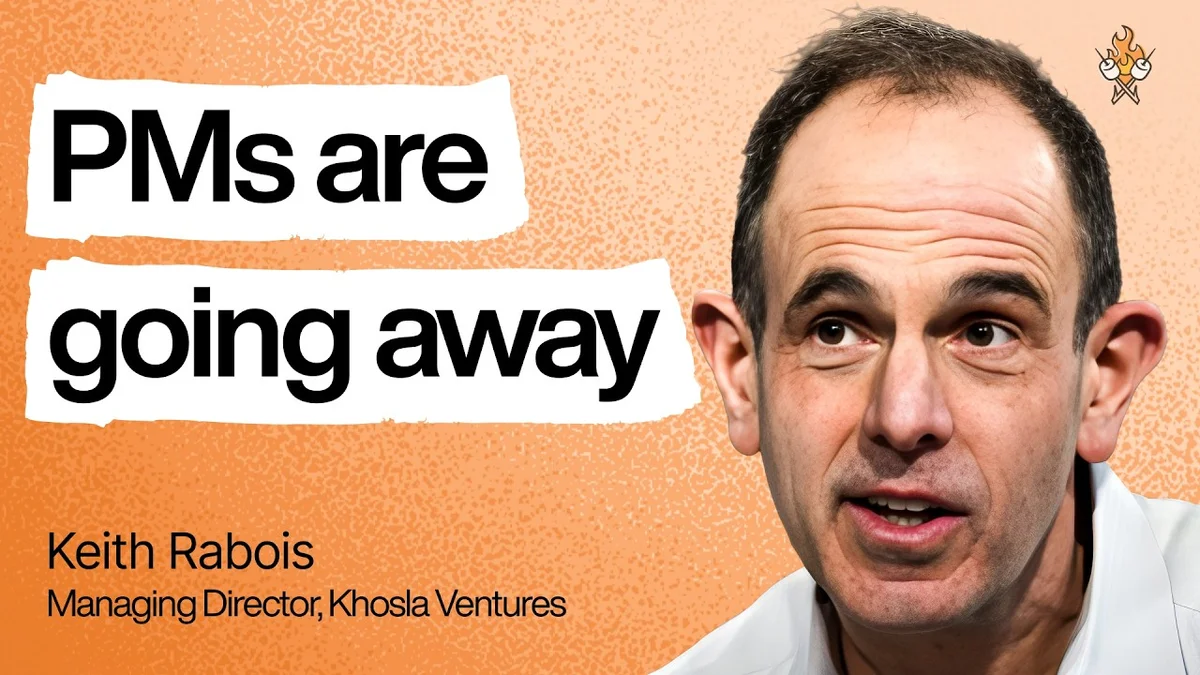
Keith Rabois speaking on Lenny's Podcast
Image credit: Lenny's Podcast· Lenny's Podcast
Contents(6)

In a recent appearance on Lenny's Podcast, investor and operator Keith Rabois emphasized the critical importance of team building for startup success, stating, "The team you build is the company you build." Rabois, known for his early investments in iconic companies like Stripe, Palantir, Airbnb, and DoorDash, as well as his operational roles at PayPal, Square, and LinkedIn, shared his insights on how founders can effectively identify and recruit top talent, even in a competitive market.
Keith Rabois on Hiring: "The team you build is the company you build" - Lenny's Podcast
Keith Rabois on Hiring: "The team you build is the company you build", Lenny's Podcast

Keith Rabois: A Track Record of Identifying Talent

Rabois's extensive experience as both an operator and an investor provides him with a unique vantage point on what makes a company successful. His early involvement with PayPal is legendary, and his subsequent roles as COO of Square and VP of Business & Corporate Development at LinkedIn showcase a consistent ability to identify and nurture high-growth companies. Currently a Managing Director at Khosla Ventures, Rabois is recognized for his sharp insights and a track record of backing companies that become industry leaders.

The Core Tenet: Team is Everything

Rabois's central thesis is that the quality of a startup's team is the single most important factor in its success. He argues that even the most brilliant ideas or innovative products will falter without the right people to execute them. This is particularly true in the early stages of a company when agility, adaptability, and sheer grit are essential for navigating the inevitable challenges.

He explained that the process of identifying and recruiting talent is not merely a task but a core competency for any founder. "You have to be ruthlessly accurate at identifying talent," Rabois stated, highlighting that this skill is something that can be honed and improved over time. He drew a parallel to sports, where scouts meticulously identify players with the potential to perform at the highest level, suggesting that founders need a similar rigorous approach to talent acquisition.

The "30-Day Rule" for Hiring

One of Rabois's most practical pieces of advice is what he calls the "30-day rule" for hiring. He advocates for a focused, intensive evaluation period. "You need to be able to evaluate a candidate in a very focused way and get the data you need to make a decision," Rabois said. He believes that while initial impressions are important, a more objective assessment over a short, defined period is crucial.

He suggests that by the end of 30 days, a founder should have a clear understanding of a candidate's capabilities, their fit with the company culture, and their potential for long-term success. This approach helps avoid prolonged hiring processes that can be costly and inefficient. It also allows for a more decisive action, whether that's bringing the candidate on board or moving on.

Leveraging Networks and Referrals

Rabois also stressed the importance of leveraging one's network for talent acquisition. He noted that the best candidates often come through referrals from trusted sources. "You want to tap into your network to find people who are already proven, who have a track record of success," he advised. This is because referred candidates often come with a pre-vetted endorsement, saving time and reducing the risk of a bad hire.

However, he cautioned that even with referrals, a thorough vetting process is still necessary. "You can't just rely on a name or a referral," Rabois warned. "You still need to do your own due diligence to ensure the candidate is the right fit for your specific needs."

The Role of Coaching and Development

Beyond just hiring, Rabois also touched upon the importance of coaching and developing talent once they are onboard. He believes that great leaders don't just recruit talent; they also invest in nurturing it. "You need to create an environment where people can grow and develop," he stated. This includes providing clear expectations, constructive feedback, and opportunities for advancement.

He emphasized that this coaching aspect is particularly vital for early-stage companies where every team member plays a crucial role. By investing in their people, founders can foster a culture of continuous improvement and ensure that the team remains cohesive and motivated, even through challenging times.

The "Win" Mentality

Rabois also highlighted the importance of a "win" mentality, drawing a parallel to high-performing athletes. He noted that successful teams are often driven by a deep-seated desire to win and excel. "These are people who are not afraid of challenges," he said. "They thrive on them."

He believes that this winning mindset is something that founders should look for in their candidates. It's not just about skills or experience, but about a fundamental drive to succeed and overcome obstacles. This is a crucial trait for navigating the unpredictable journey of building a startup.

© 2026 StartupHub.ai. All rights reserved. You may not republish this article in full without a license. Search engines and AI research tools may crawl and summarize for reference. Bulk reproduction or model training requires a license. See our terms.
Daniel Singer

Written by

Daniel Singer

Editor, StartupHub.ai

Daniel Singer is the editor of StartupHub.ai, a technology expert and thought leader on AI and its applications across sectors, from fintech and healthcare to developer tooling and consumer software. He writes and tests the tools covered here thoroughly and regularly, and built StartupHub.ai to give founders, operators and buyers a clearer read on what they are actually being sold.