

Citadel Rescues Leopold Aschenbrenner's AI Hedge Fund

Leopold Aschenbrenner's hedge fund Situational Awareness lost tens of billions before Citadel stepped in to purchase assets after margin calls.

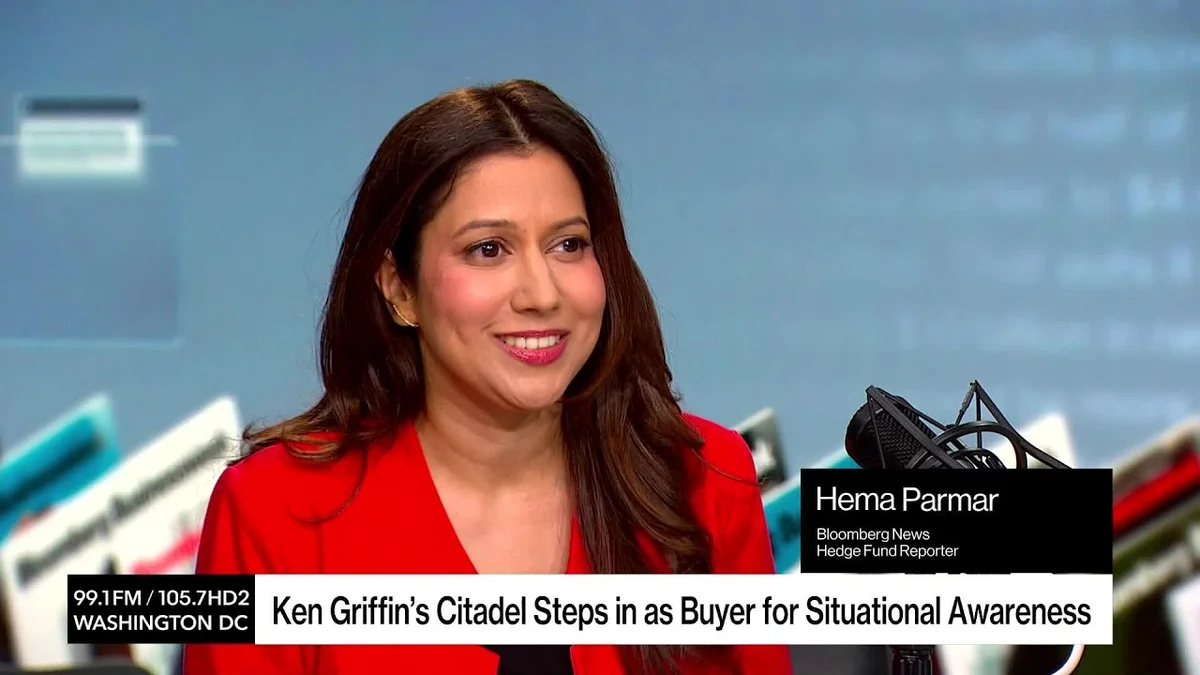
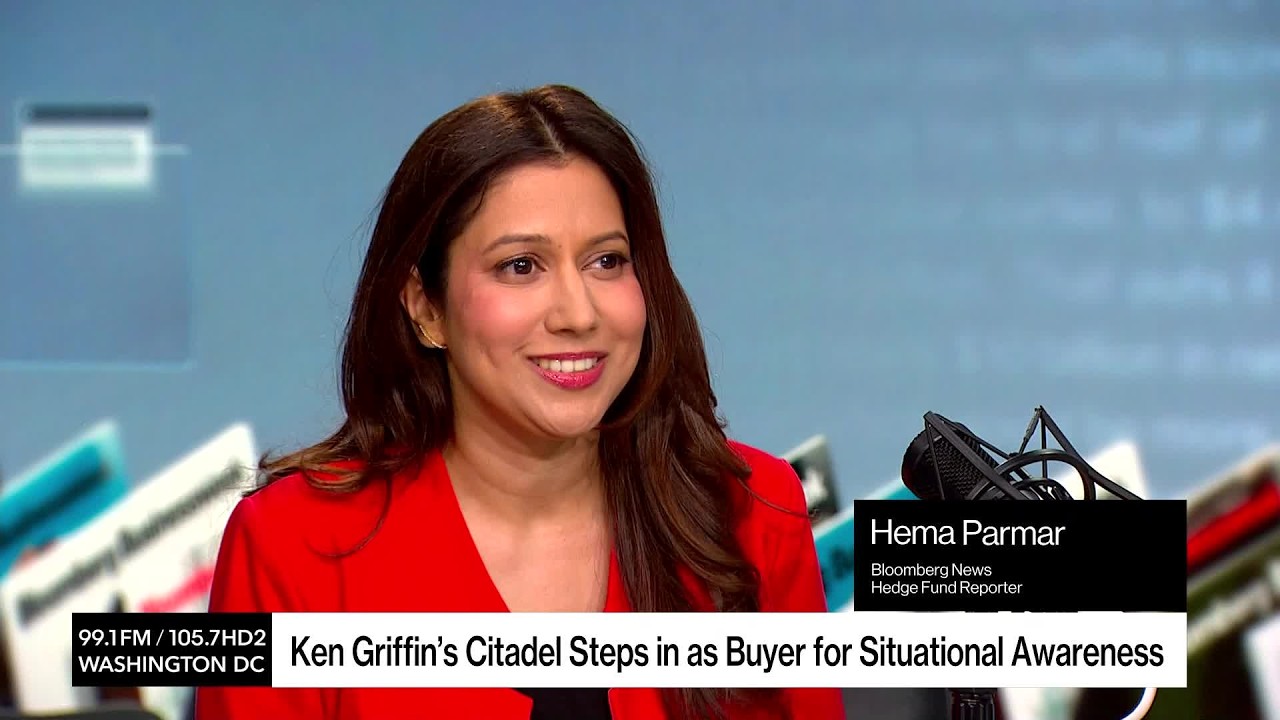
Hema Parmar discussing Leopold Aschenbrenner hedge fund selloff on Bloomberg Businessweek Daily
Bloomberg reporter Hema Parmar details the rescue deal between Citadel and Leopold Aschenbrenner's Situational Awareness fund.· Bloomberg Podcast
Visual TL;DR
Aschenbrenner's AI FundCore
24-year-old former OpenAI researcher Leopold Aschenbrenner launched Situational Awareness
From the article 9+ mentionsInstead, the fund's backing came from tech founders, early startup employees, and wealthy individuals across Silicon Valley eager to back Aschenbrenner's macro thesis.
High AI ConcentrationDriver
fund built around high-conviction bets on artificial intelligence infrastructure equities
From the articleFor Silicon Valley, the episode serves as a clear warning about applying venture-style concentration to public capital markets.
Market ShiftDriver
From the article 6 mentionsBut a sudden market shift in tech equities recently forced the fund into a dramatic 24-hour liquidity crunch, requiring a rescue package from financial titan Ken Griffin.
Assets PlungeOutcome
From the article 3 mentionsSpeaking on Bloomberg Businessweek, hedge fund reporter Hema Parmar outlined how Situational Awareness saw its assets under management plunge from $45 billion to $10 billion during a severe market drawdown.
Margin CallsDriver
From the articleWhen equity prices pulled back, major Wall Street prime brokers issued urgent margin calls.
Citadel Rescues FundEffect
financial titan Ken Griffin's Citadel stepped in to purchase assets after margin calls
From the article 2 mentionsUltimately, Ken Griffin's Citadel stepped in to purchase a massive chunk of the fund's public stock portfolio at a substantial discount, supplying the necessary liquidity to settle capital requirements.
Future of Situational AwarenessContext
what comes next for the hedge fund after the rescue package from Citadel
From the article 4 mentionsHe soon channeled that momentum into Situational Awareness, a hedge fund built around high-conviction bets on artificial intelligence infrastructure.
Contents(4)

When 24-year-old former OpenAI researcher Leopold Aschenbrenner published his widely circulated essay series last year, he captured the imagination of Silicon Valley. He soon channeled that momentum into Situational Awareness, a hedge fund built around high-conviction bets on artificial intelligence infrastructure. But a sudden market shift in tech equities recently forced the fund into a dramatic 24-hour liquidity crunch, requiring a rescue package from financial titan Ken Griffin.

The Unraveling of Heavy AI Concentration

Speaking on Bloomberg Businessweek, hedge fund reporter Hema Parmar outlined how Situational Awareness saw its assets under management plunge from $45 billion to $10 billion during a severe market drawdown. The decline stemmed from a combination of highly concentrated positions in AI supply chain equities, including SK Hynix, Bloom, and SanDisk, paired with significant borrowed capital.

When equity prices pulled back, major Wall Street prime brokers issued urgent margin calls. In a race to raise immediate cash, Aschenbrenner explored offloading private holdings, including highly valued stakes in safety research laboratory Anthropic. Ultimately, Ken Griffin's Citadel stepped in to purchase a massive chunk of the fund's public stock portfolio at a substantial discount, supplying the necessary liquidity to settle capital requirements.

The full discussion can be found on Bloomberg Podcast's YouTube channel.

Leopold Aschenbrenner's Situational Awareness Hit by AI Selloff - Bloomberg Podcast
Leopold Aschenbrenner's Situational Awareness Hit by AI Selloff, from Bloomberg Podcast

An Unconventional Investor Base

Unlike established hedge funds that rely heavily on university endowments, sovereign wealth funds, and pension plans, Situational Awareness drew capital almost exclusively from tech sector insiders. Institutional LPs largely passed on the fund during initial capital raises, pointing to concerns over risk management protocols and the founder's lack of formal investment track record.

Instead, the fund's backing came from tech founders, early startup employees, and wealthy individuals across Silicon Valley eager to back Aschenbrenner's macro thesis. Wall Street institutions also fueled the expansion, with major financial institutions including JPMorgan Chase & Co. (NYSE:JPM) extending substantial credit lines to fund the concentrated equity positions.

Vulnerability in the AI Trade

Aschenbrenner first rose to prominence within the industry after founding Columbia University's Effective Altruism group, working on FTX philanthropic initiatives, and later serving on OpenAI's safety team before his departure. His manifesto turned him into a prominent voice for aggressive AI development timelines.

However, the rapid unwind highlights rising volatility across artificial intelligence investments. While public equity markets have yielded strong overall returns for concentrated tech funds over the past year, hyper-concentrated positions backed by heavy debt leave fund managers exposed to sudden downside movements. While OpenAI maintains a market-leading StartupHub.ai score of 84/100, market sentiment around broader supply chain suppliers remains susceptible to sharp repricing when quarterly expenditure expectations shift.

What Comes Next for Situational Awareness

Even after losing tens of billions in asset valuation, Situational Awareness remains a $10 billion fund, placing it among the larger boutique asset managers targeting the technology sector. Market observers are watching upcoming monthly performance figures closely to determine whether secondary losses ripple across other tech-focused funds that copied similar positioning.

For Citadel, the discounted asset purchase aligns with Ken Griffin's long-standing playbook of capitalizing on distressed liquidity events across Wall Street. For Silicon Valley, the episode serves as a clear warning about applying venture-style concentration to public capital markets.

© 2026 StartupHub.ai. All rights reserved. You may not republish this article in full without a license. Search engines and AI research tools may crawl and summarize for reference. Bulk reproduction or model training requires a license. See our terms.
Daniel Singer

Written by

Daniel Singer

Editor, StartupHub.ai

Daniel Singer is the editor of StartupHub.ai, a technology expert and thought leader on AI and its applications across sectors, from fintech and healthcare to developer tooling and consumer software. He writes and tests the tools covered here thoroughly and regularly, and built StartupHub.ai to give founders, operators and buyers a clearer read on what they are actually being sold.