


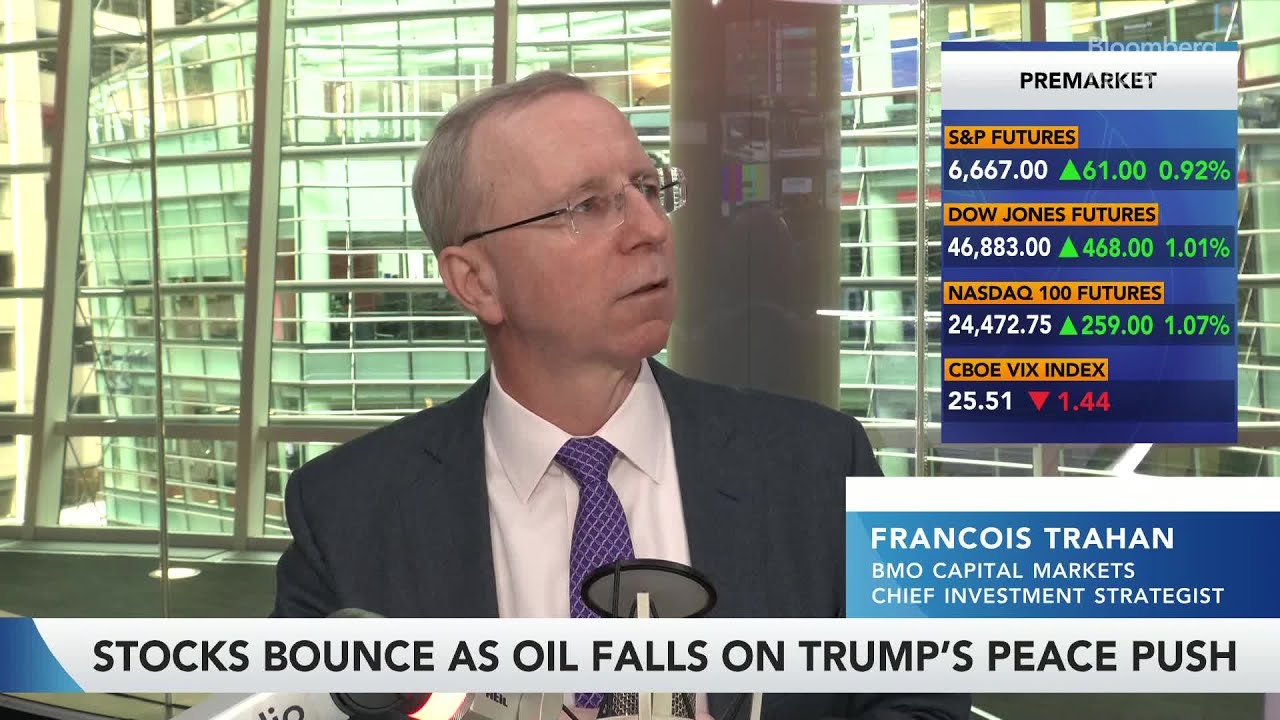
Francois Tirahon, Chief Investment Strategist at BMO Capital Markets, shared his economic outlook, suggesting that the US economy could face significant "friction" in 2025. Speaking on Bloomberg Radio, Tirahon highlighted that the current market sentiment is leaning towards a "soft landing," implying a controlled slowdown rather than a sharp recession. However, he cautioned that several factors could disrupt this optimistic scenario.
Francois Tirahon's Economic Outlook
Tirahon, a seasoned strategist with extensive experience in capital markets, pointed to a confluence of factors that could lead to a more challenging economic environment. He noted that the US economy has benefited from substantial stimulus measures and a period of low interest rates. However, as the Federal Reserve pivots towards tighter monetary policy to combat inflation, the availability of credit is expected to decrease, potentially impacting economic growth.
Key Economic Indicators and Concerns
Tirahon emphasized that while leading indicators suggest a potential slowdown, the market has not fully priced in the risks. He stated, "We're seeing this transition period where we have stimulus and leading indicators starting to pick up, but the reality is the story is the global story." He further elaborated that 89% of global GDP is currently in countries that have monetary stimulus in the pipeline, which insulates them to a certain extent. In contrast, he noted that the US economy, heavily reliant on consumption, is more exposed to inflation and the tightening of credit conditions.
The full discussion can be found on Bloomberg Podcast's YouTube channel.
International Markets as an Alternative
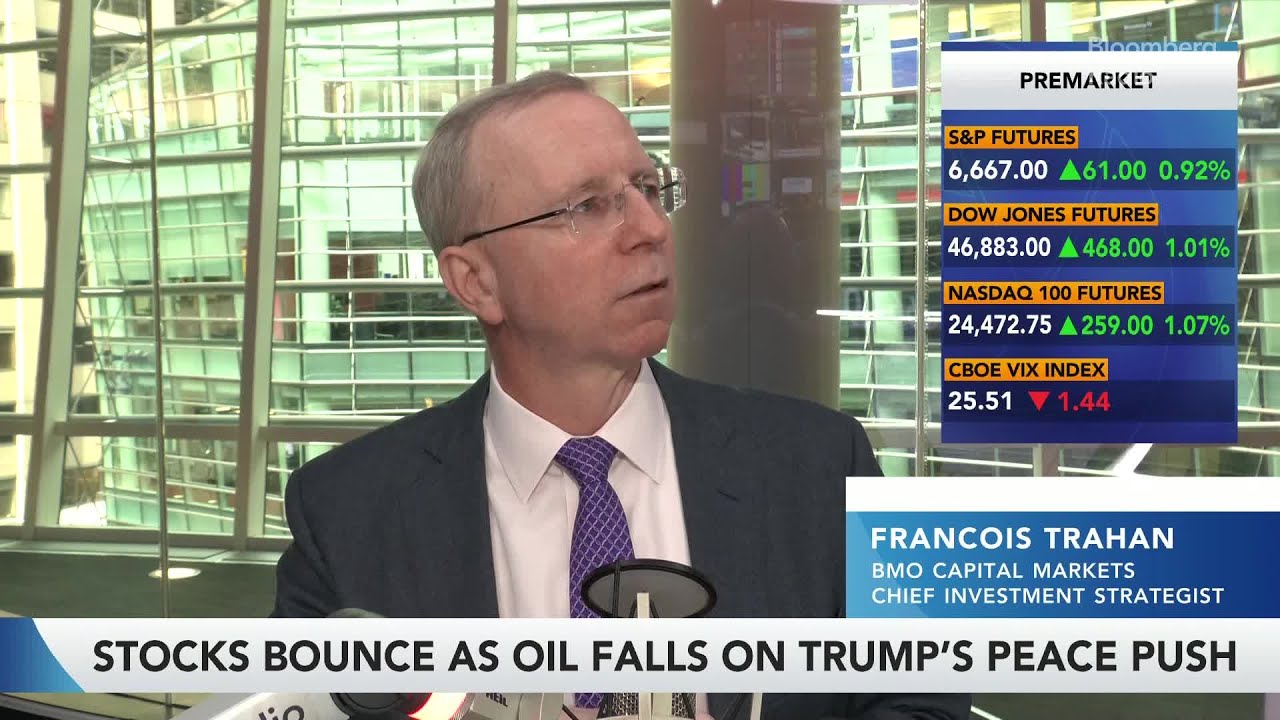
Tirahon suggested that investors might find more attractive opportunities in international markets, particularly in countries that are still implementing accommodative policies. He remarked, "When you look at the global rotation, it favors non-US markets as big tech hype fades." He pointed out that countries with monetary stimulus in their economies could offer a more favorable investment landscape compared to the US, where growth stocks might face headwinds due to higher interest rates and a more hawkish Federal Reserve.