

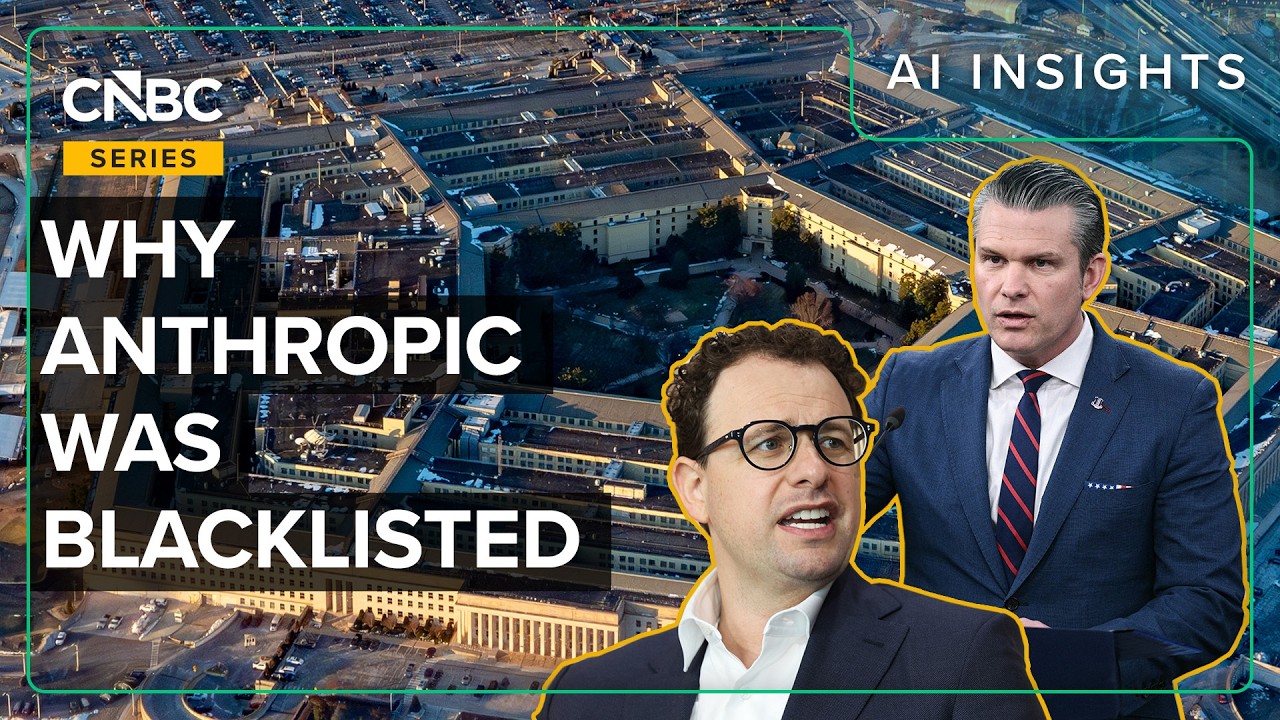
Pentagon's AI Supply Chain Risk Label Sparks Debate

The Pentagon has designated AI firm Anthropic as a 'supply chain risk,' a move that has drawn sharp criticism and legal challenges from Anthropic's CEO, Sam Altman.

4 min read
Kate Rooney reporting for CNBC with the Pentagon building in the background.
How Anthropic Became The First U.S. Company To Be Designated As A Supply Chain Risk — CNBC on YouTube

The U.S. Department of Defense has taken an unprecedented step by designating AI company Anthropic as a 'supply chain risk,' a move that has sent ripples through the tech and national security communities. This classification, which has historically been applied to foreign adversaries, marks the first time a U.S.-based tech firm has received such a label. The decision has prompted a strong reaction from Anthropic and its allies, including major tech players like Microsoft and Amazon, who continue to support the company's AI offerings for non-defense applications.
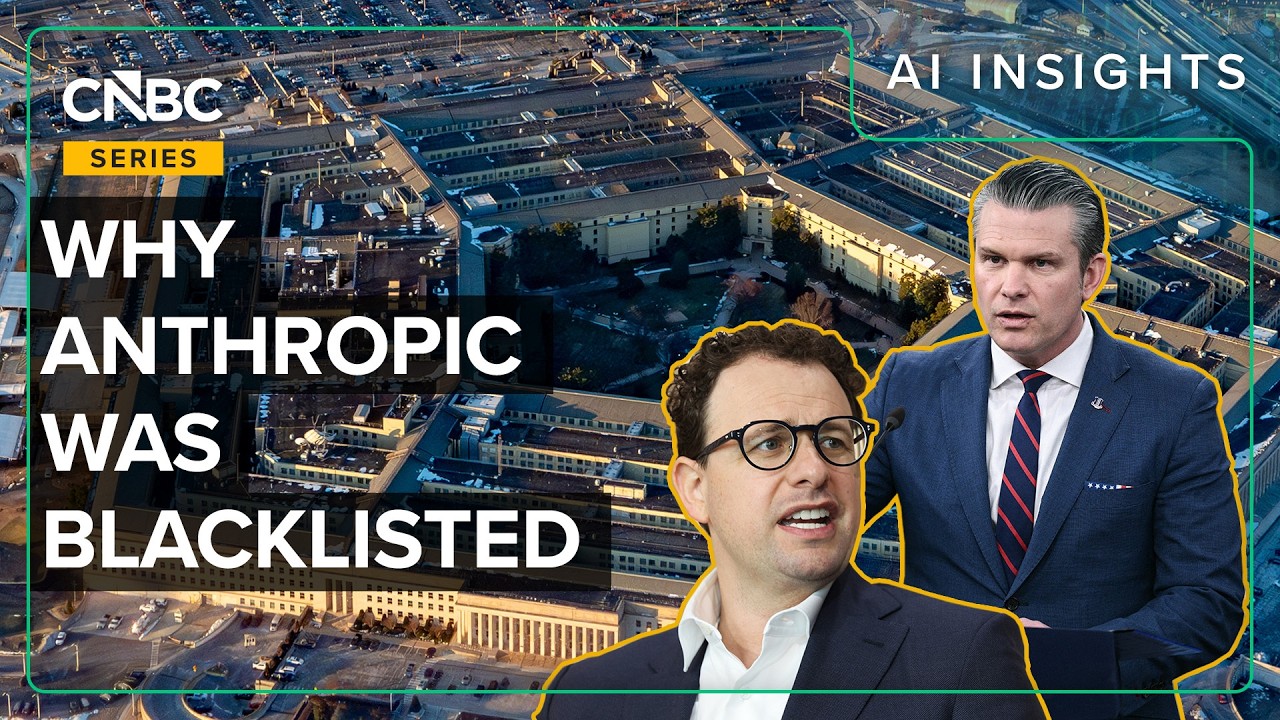
Pentagon's AI Supply Chain Risk Label Sparks Debate - CNBC
Pentagon's AI Supply Chain Risk Label Sparks Debate — from CNBC

Key Figures and Their Stances

Kate Rooney, a correspondent for CNBC, anchors the discussion, providing an overview of the situation. She highlights the significance of the Pentagon's action, noting that Anthropic is the first American company to ever receive this 'supply chain risk' designation, historically reserved for entities posing national security threats.

Paul Scharre, Executive Vice President at the Center for a New American Security, offers critical context on the purpose of the 'supply chain risk' designation. Scharre explains that such designations are intended to prevent foreign companies from embedding malicious products or backdoors into U.S. military systems. He clarifies that the Pentagon's letter to Anthropic has a narrow scope, legally based on 10 USC 3252, and primarily aims to protect the government rather than punish a supplier. The law requires the Secretary of War to use the least restrictive means necessary to protect the supply chain, and this designation does not necessarily limit Anthropic's business with entities unrelated to specific Department of War contracts.

Alan Rozenshtein, a Visiting Senior Fellow at the Institute for Law and AI, discusses the potential legal ramifications. He suggests that Anthropic has a strong case to challenge the designation in court and anticipates that such a legal battle could be resolved quickly in Anthropic's favor, potentially due to the perceived overreach or the company's robust security practices.

Sam Altman, CEO of OpenAI and a prominent figure in the AI industry, has expressed his intention to challenge the Pentagon's decision. While acknowledging the importance of national security and expressing support for the military's use of AI, Altman stated that the designation is not legally sound and that Anthropic has no choice but to fight it in court. He also shared a leaked internal memo where a Pentagon official reportedly described him as having a "God-complex" and being a "liar," suggesting a personal element to the dispute.

The Pentagon's Rationale and Anthropic's Response

The core of the Pentagon's concern appears to stem from Anthropic's extensive integration of its AI technology within the military and intelligence communities. While the exact nature of these concerns remains somewhat opaque, the designation implies a perceived risk of vulnerabilities or potential misuse of Anthropic's powerful AI models, such as Claude, which are widely used for tasks ranging from intelligence analysis to operational planning.

Anthropic, in turn, has emphasized its commitment to safety and responsible AI development. The company has highlighted its ongoing dialogue with the Department of Defense and its efforts to ensure a smooth transition for any necessary changes. Despite the designation, Anthropic asserts that its technology is crucial for national security operations and that the Pentagon's action could hinder its ability to support critical defense initiatives.

Broader Industry Implications

The incident has sparked broader conversations about the relationship between AI developers and the U.S. government, particularly concerning national security. The involvement of major cloud providers like Microsoft and Amazon, who have invested heavily in Anthropic and continue to offer its services, underscores the potential economic and strategic implications of such designations. These companies have stated that Anthropic's products remain available to their customers for non-defense use, signaling a potential divergence in how different sectors view and utilize advanced AI technologies.

Furthermore, the situation raises questions about the criteria and transparency of government 'supply chain risk' assessments, especially in rapidly evolving fields like artificial intelligence. The debate highlights the delicate balance between ensuring national security and fostering innovation in a competitive global AI landscape. The outcome of Anthropic's legal challenge could set a precedent for how future AI companies are evaluated and regulated within the defense ecosystem.

Key Takeaways and Future Outlook

The designation of Anthropic as a supply chain risk by the Pentagon is a significant development that underscores the growing importance of AI in national security and the complex regulatory challenges that accompany it. The company's decision to contest the ruling in court, supported by major tech players, suggests a belief in the robustness of its technology and a commitment to its broader commercial applications. This situation is likely to be closely watched as it could shape the future of AI adoption and regulation in both the defense and private sectors.