

Palantir CTO: "We Need More Heretics" in AI

Palantir CTO Shyam Sankar argues for 'heretics' in AI, emphasizing failure as a learning tool and the need for deep problem understanding.

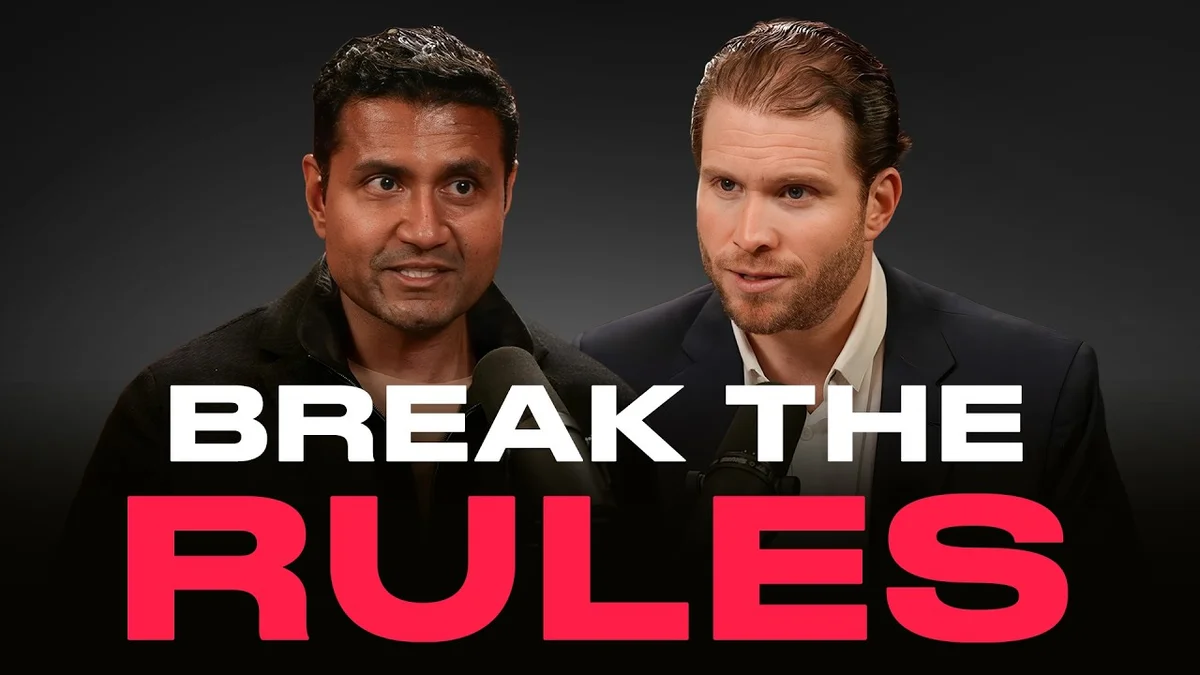
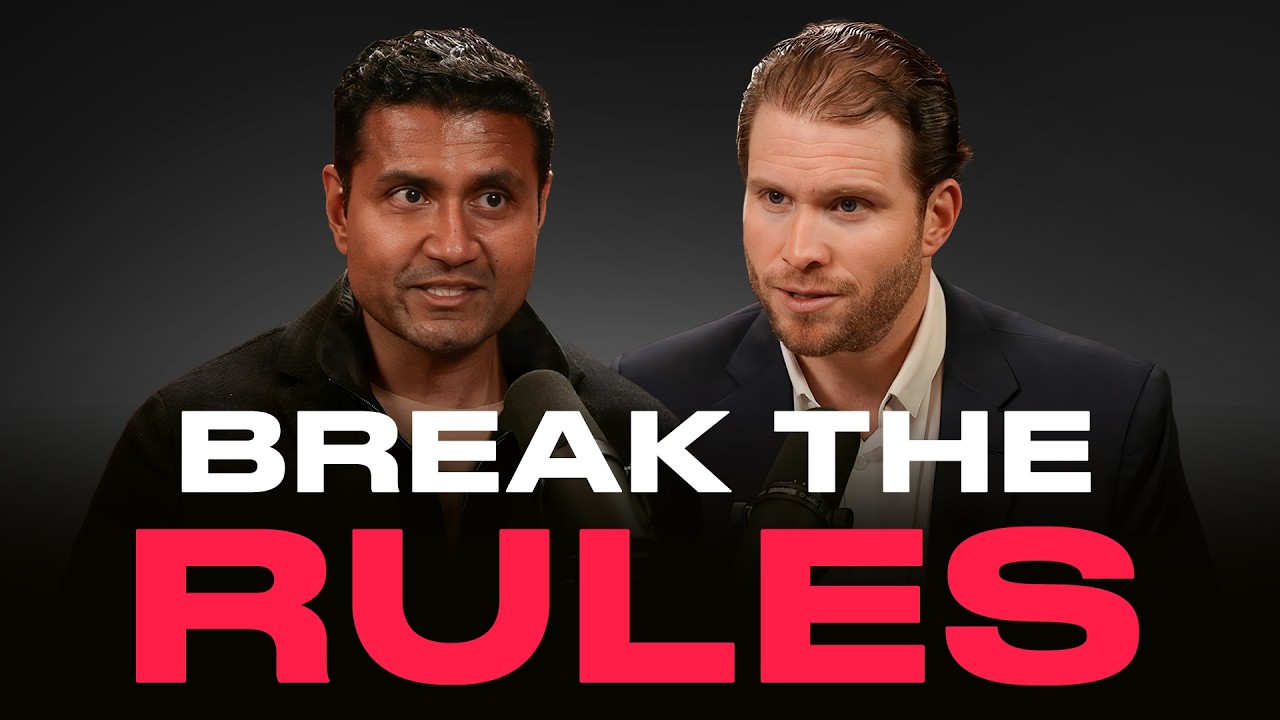
Palantir CTO Shyam Sankar speaking into a microphone.
Image credit: Palantir Technologies· Joe Lonsdale

In a candid discussion titled "Palantir CTO: We Need More Heretics," Shyam Sankar, the Chief Technology Officer of Palantir Technologies, articulated a compelling vision for the future of AI development and the kind of individuals needed to drive it forward. Sankar, who has been with Palantir for two decades and also holds the rank of Lieutenant Colonel in the U.S. Army, emphasized the critical role of contrarian thinking and a willingness to challenge the status quo in a field that is rapidly evolving.

Embracing the 'Heretic' Mindset

Sankar posited that true progress, especially in complex domains like artificial intelligence, often comes from those who are willing to be labeled as 'heretics.' These are individuals who don't just follow the established path but question it, disrupt it, and ultimately, redefine it. He suggested that this mindset is crucial for navigating the unpredictable landscape of AI, where the greatest breakthroughs often emerge from unconventional approaches.
Related startups

He elaborated on this by drawing a parallel to historical figures who were initially dismissed or misunderstood but ultimately changed the world through their radical ideas. This perspective suggests that fostering an environment where dissent and unconventional thinking are not only tolerated but actively encouraged is vital for any organization aiming to lead in innovation.

The full discussion can be found on Joe Lonsdale's YouTube channel.

Palantir CTO: We Need More Heretics - Joe Lonsdale
Palantir CTO: We Need More Heretics — from Joe Lonsdale

Failure as a Catalyst for Progress

A recurring theme in Sankar's discussion was the acceptance and even embrace of failure as an integral part of the innovation process. He shared a personal philosophy, stating, "I'd rather fail working on something this important than succeed on something trivial and worthless." This sentiment underscores a belief that pursuing ambitious, meaningful goals, even with the inherent risk of failure, is far more valuable than settling for incremental or insignificant achievements. The willingness to fail, learn, and iterate is presented as a core tenet of building truly impactful technology.

The Importance of Deep Problem Understanding

Sankar also stressed the critical need for engineers and technologists to move beyond purely technical solutions and develop a profound understanding of the problems they are trying to solve. He highlighted that even the most sophisticated technology is ineffective if it doesn't address a genuine need or if the team behind it doesn't grasp the nuances of the problem domain. This requires a holistic approach, integrating technical expertise with a deep appreciation for the real-world context in which the technology will operate.

He alluded to Palantir's own journey, suggesting that the company's success stems from its ability to tackle complex, multifaceted problems that others shy away from. This often involves a significant amount of deep engagement with the problem space, ensuring that the solutions developed are not just technically sound but also practically relevant and impactful.

© 2026 StartupHub.ai. All rights reserved. Do not enter, scrape, copy, reproduce, or republish this article in whole or in part. Use as input to AI training, fine-tuning, retrieval-augmented generation, or any machine-learning system is prohibited without written license. Substantially-similar derivative works will be pursued to the fullest extent of applicable copyright, database, and computer-misuse laws. See our terms.