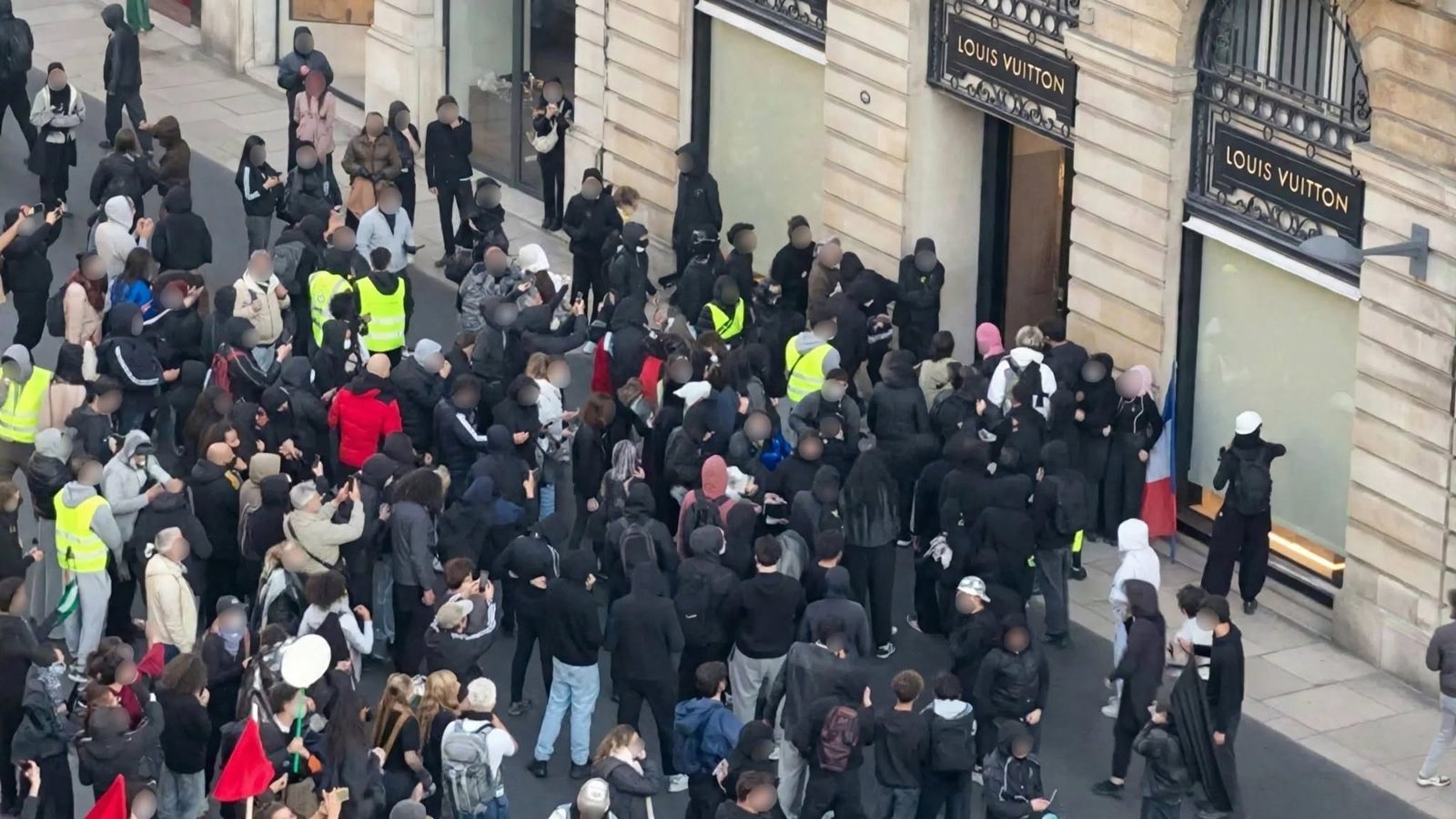
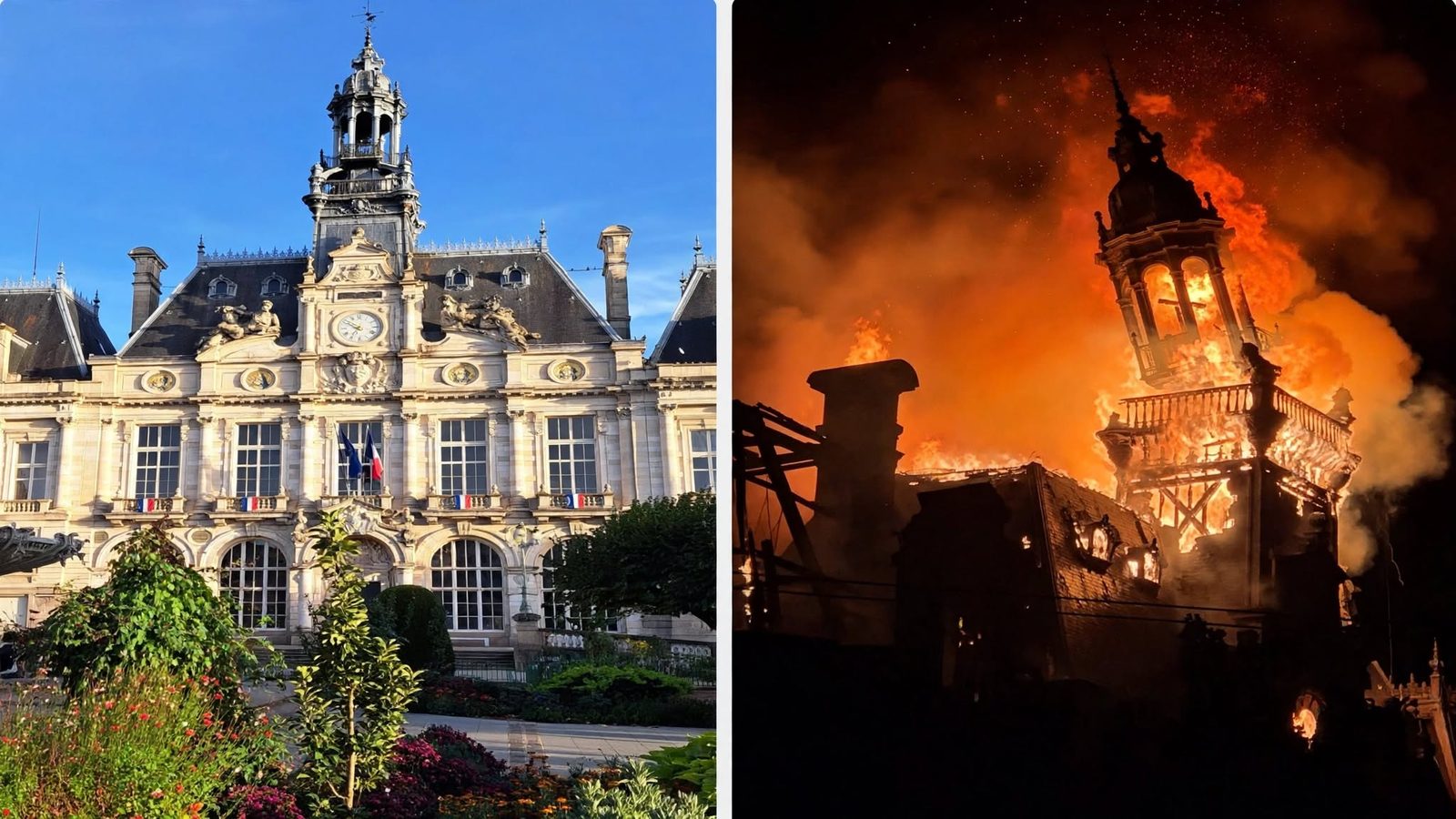
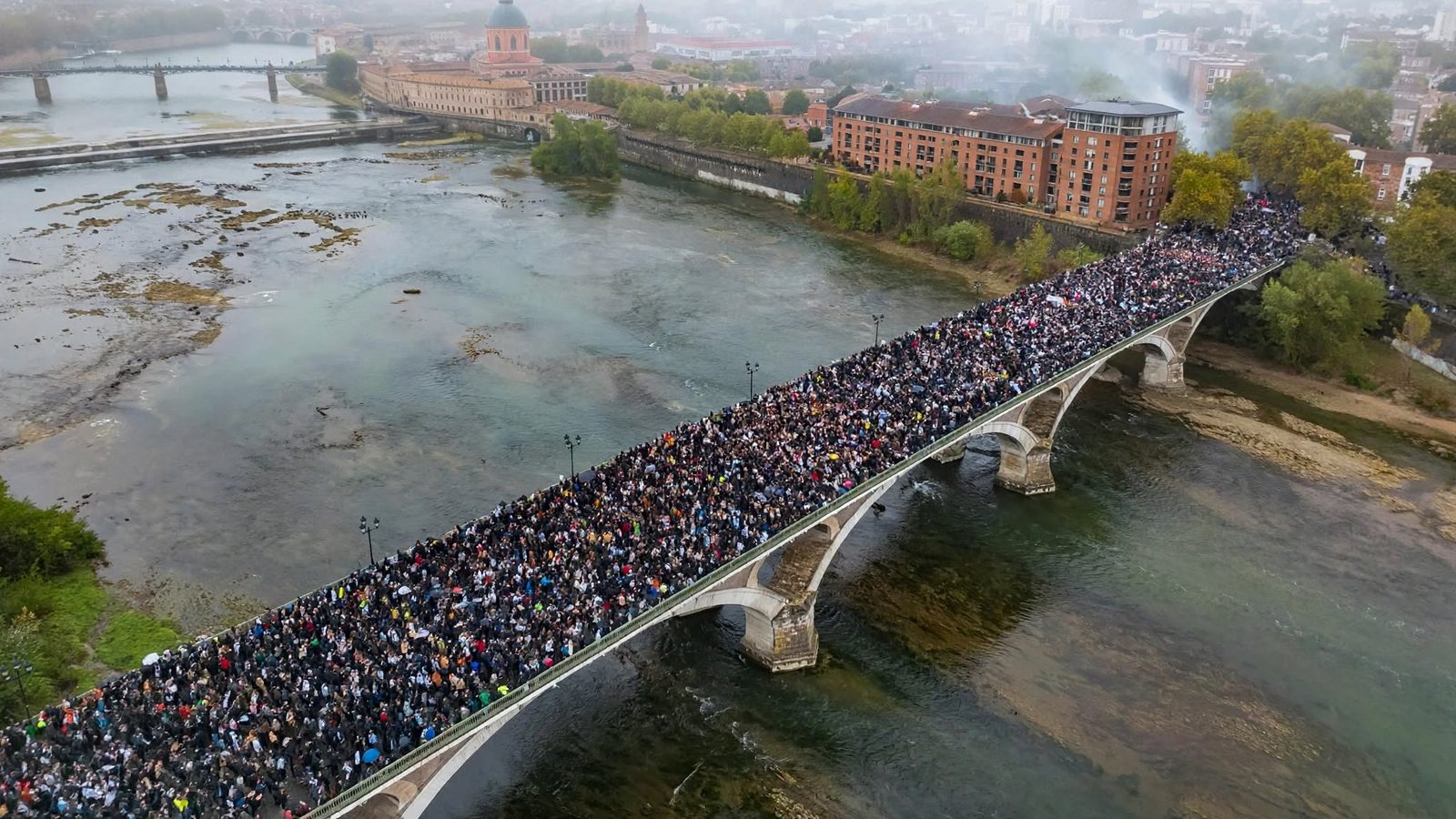
For centuries, France has lived by an unwritten constitutional rule: the ultimate check on state power is not a court or a committee. It is the cobblestones of Paris.
Protest in France is not a hobby. It is a civic institution, an informal fourth branch of government that has forced billions in concessions from the central state.
But in autumn 2026, as nationwide student union strikes paralyze schools and public services over infrastructure and living costs, the rules of that confrontation have changed. The game between protesters and the Police Nationale is no longer just about tear gas and blockades. It is about data.
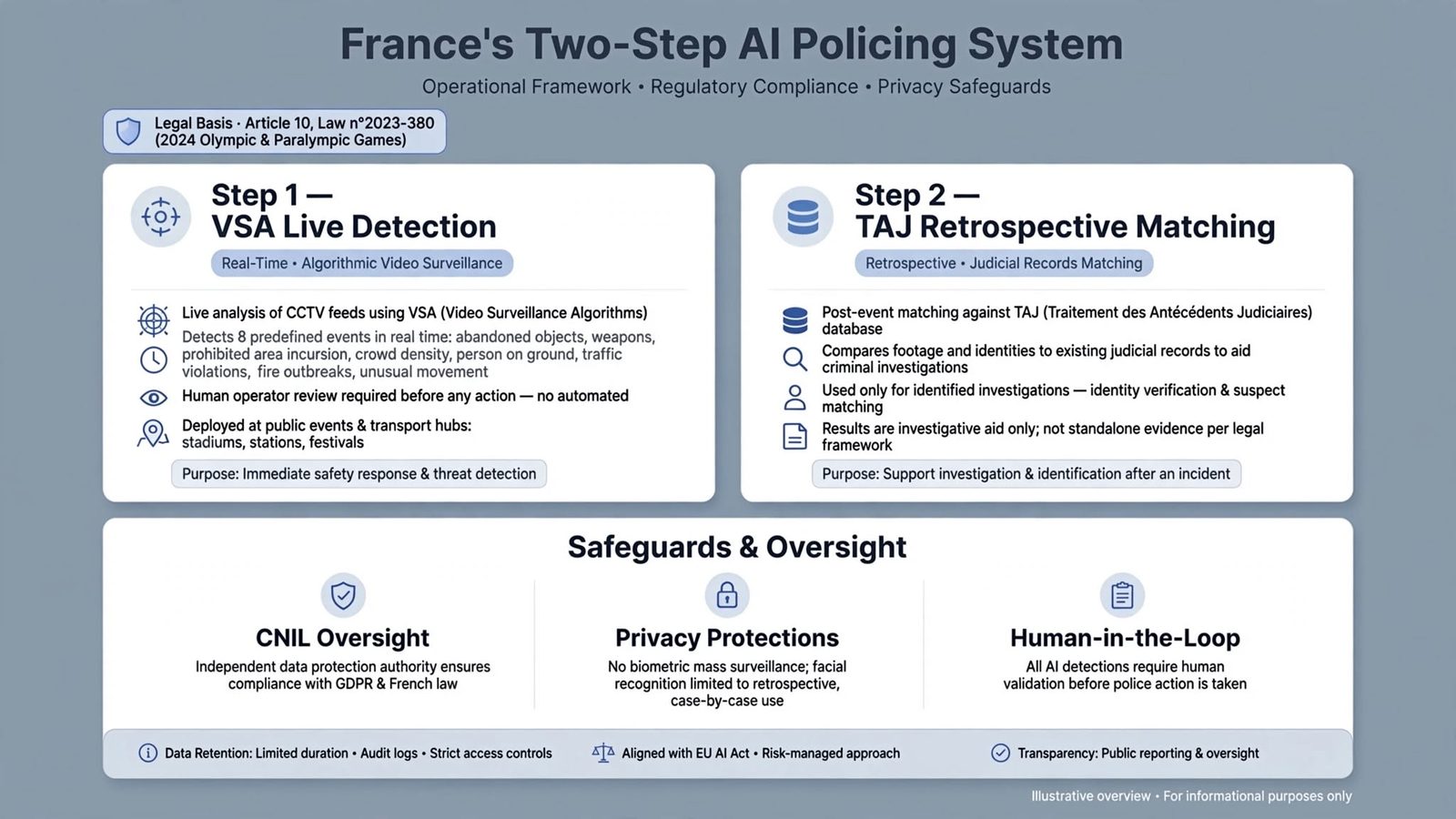
France has entered the era of AI-driven policing.
How France Secretly and Legally Uses AI Surveillance Today
A common misconception is that French police use live facial recognition to identify protesters in a crowd. Under current French law and the EU AI Act, that is largely prohibited.