

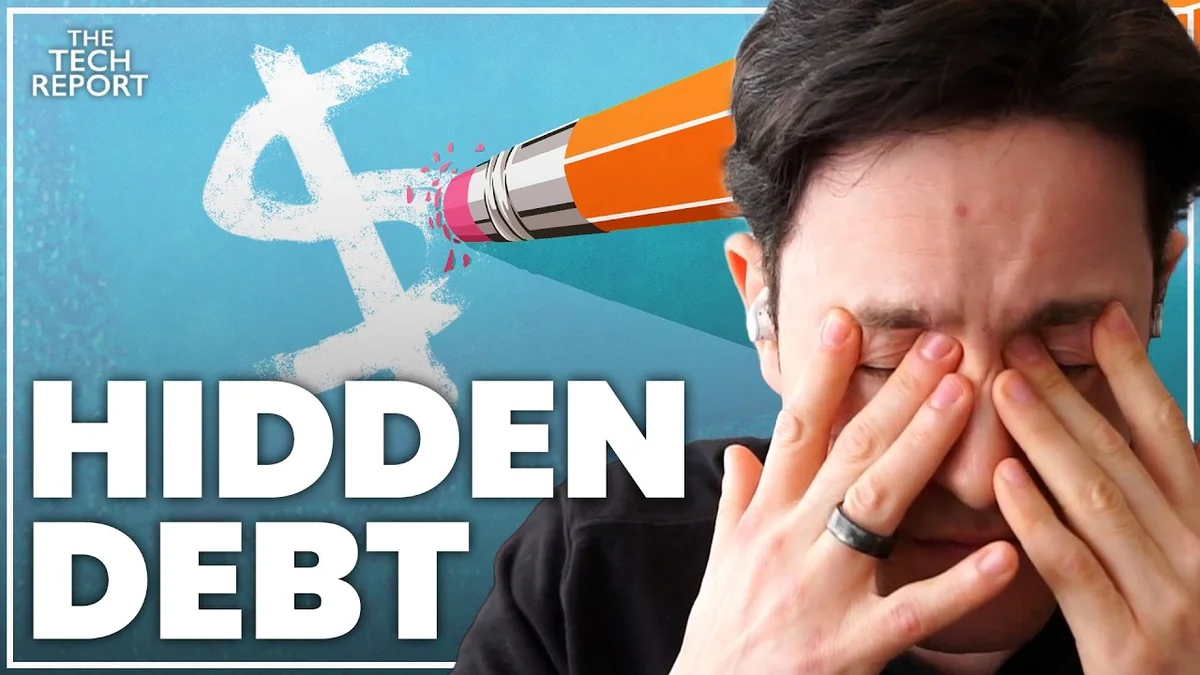
Ed Zitron: AI Data Center Debt Bubble Echoes 2008 Crisis

Ed Zitron warns of a massive debt bubble in AI data centers, comparing it to the 2008 subprime crisis and highlighting hidden risks.

7 min read
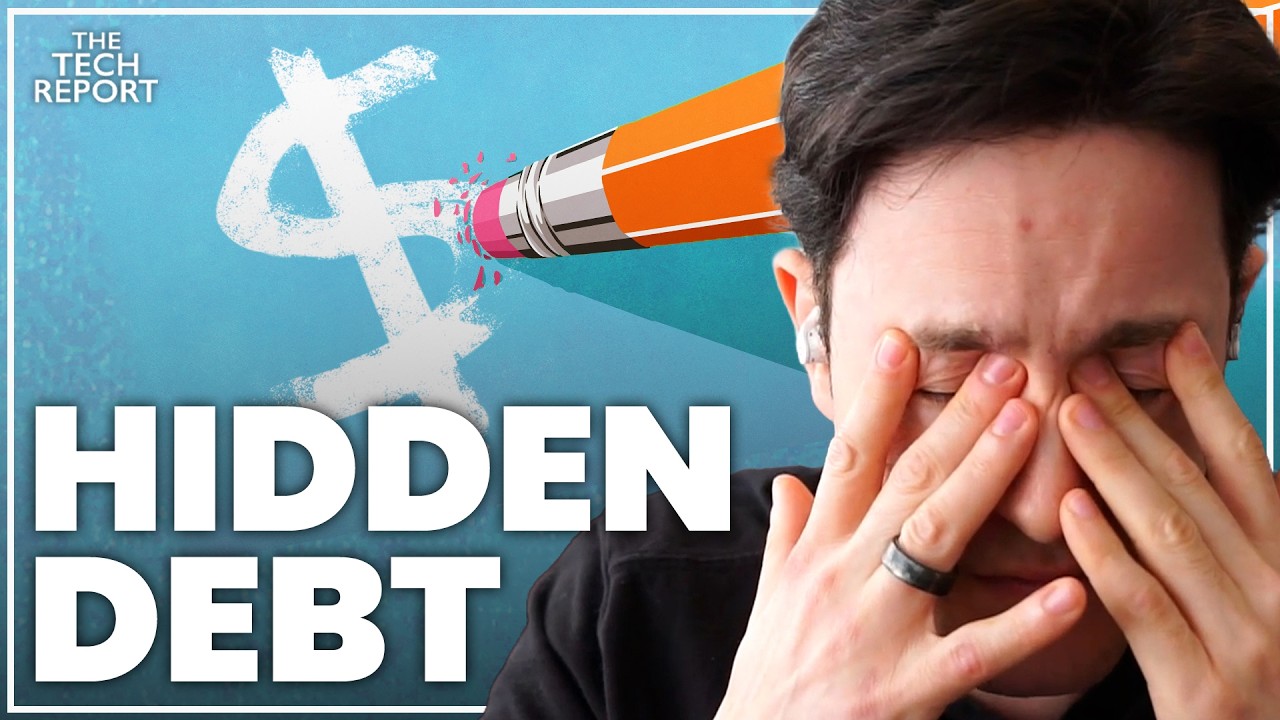
Ed Zitron speaking on The Tech Report discussing AI data center debt.
YouTube

Visual TL;DR. AI Data Center Debt via Off-Balance-Sheet Debt. Off-Balance-Sheet Debt enables Opaque Financing. Opaque Financing leads to Systemic Risk. AI Data Center Debt similar to 2008 Crisis Echoes. Flawed Assumptions drives AI Data Center Debt. Systemic Risk creates Unfolding Scenario.

  1. AI Data Center Debt: massive debt bubble inflating within the AI data center sector, hidden from public view
  2. Off-Balance-Sheet Debt: over $1.65 trillion in debt kept 'off the books' using Special Purpose Vehicles
  3. Opaque Financing: companies like Meta use SPVs to finance huge data centers, obscuring true exposure
  4. Systemic Risk: private debt bubble could pose systemic risks, potentially impacting retirement systems
  5. 2008 Crisis Echoes: Ed Zitron compares this situation to the 2008 subprime mortgage crisis
  6. Flawed Assumptions: underlying assumptions about AI growth and profitability may be overly optimistic
  7. Unfolding Scenario: potential for a significant financial downturn if the bubble bursts
Visual TL;DR
Visual TL;DR, startuphub.ai Opaque Financing leads to Systemic Risk. AI Data Center Debt similar to 2008 Crisis Echoes leads to similar to AI Data Center Debt Opaque Financing Systemic Risk 2008 Crisis Echoes From startuphub.ai · The publishers behind this format
Visual TL;DR, startuphub.ai Opaque Financing leads to Systemic Risk. AI Data Center Debt similar to 2008 Crisis Echoes leads to similar to AI Data CenterDebt Opaque Financing Systemic Risk 2008 CrisisEchoes From startuphub.ai · The publishers behind this format
Visual TL;DR, startuphub.ai Opaque Financing leads to Systemic Risk. AI Data Center Debt similar to 2008 Crisis Echoes leads to similar to AI Data Center Debt massive debt bubble inflating within theAI data center sector, hidden from publicview Opaque Financing companies like Meta use SPVs to financehuge data centers, obscuring true exposure Systemic Risk private debt bubble could pose systemicrisks, potentially impacting retirementsystems 2008 Crisis Echoes Ed Zitron compares this situation to the2008 subprime mortgage crisis From startuphub.ai · The publishers behind this format
Visual TL;DR, startuphub.ai Opaque Financing leads to Systemic Risk. AI Data Center Debt similar to 2008 Crisis Echoes leads to similar to AI Data CenterDebt massive debt bubbleinflating withinthe AI data center… Opaque Financing companies like Metause SPVs to financehuge data centers,… Systemic Risk private debt bubblecould pose systemicrisks, potentially… 2008 CrisisEchoes Ed Zitron comparesthis situation tothe 2008 subprime… From startuphub.ai · The publishers behind this format
Visual TL;DR, startuphub.ai AI Data Center Debt via Off-Balance-Sheet Debt. Off-Balance-Sheet Debt enables Opaque Financing. Opaque Financing leads to Systemic Risk. AI Data Center Debt similar to 2008 Crisis Echoes. Flawed Assumptions drives AI Data Center Debt. Systemic Risk creates Unfolding Scenario via enables leads to similar to drives creates AI Data Center Debt massive debt bubble inflating within theAI data center sector, hidden from publicview Off-Balance-Sheet Debt over $1.65 trillion in debt kept 'off thebooks' using Special Purpose Vehicles Opaque Financing companies like Meta use SPVs to financehuge data centers, obscuring true exposure Systemic Risk private debt bubble could pose systemicrisks, potentially impacting retirementsystems 2008 Crisis Echoes Ed Zitron compares this situation to the2008 subprime mortgage crisis Flawed Assumptions underlying assumptions about AI growth andprofitability may be overly optimistic Unfolding Scenario potential for a significant financialdownturn if the bubble bursts From startuphub.ai · The publishers behind this format
Visual TL;DR, startuphub.ai AI Data Center Debt via Off-Balance-Sheet Debt. Off-Balance-Sheet Debt enables Opaque Financing. Opaque Financing leads to Systemic Risk. AI Data Center Debt similar to 2008 Crisis Echoes. Flawed Assumptions drives AI Data Center Debt. Systemic Risk creates Unfolding Scenario via enables leads to similar to drives creates AI Data CenterDebt massive debt bubbleinflating withinthe AI data center… Off-Balance-SheetDebt over $1.65 trillionin debt kept 'offthe books' using… Opaque Financing companies like Metause SPVs to financehuge data centers,… Systemic Risk private debt bubblecould pose systemicrisks, potentially… 2008 CrisisEchoes Ed Zitron comparesthis situation tothe 2008 subprime… FlawedAssumptions underlyingassumptions aboutAI growth and… UnfoldingScenario potential for asignificantfinancial downturn… From startuphub.ai · The publishers behind this format

In a stark warning that echoes the financial tremors of 2008, writer and host Ed Zitron has highlighted a potentially massive debt bubble inflating within the AI data center sector. Speaking on The Tech Report, Zitron argued that companies are obscuring hundreds of billions of dollars in debt, creating a "private debt bubble" that could pose systemic risks, even reaching into retirement systems.

Ed Zitron: AI Data Center Debt Bubble Echoes 2008 Crisis - YouTube
Ed Zitron: AI Data Center Debt Bubble Echoes 2008 Crisis — from YouTube

The Hidden AI Debt

Zitron pointed to reports suggesting that over $1.65 trillion in debt is being kept "off the books" in the AI data center industry, a figure significantly higher than publicly reported figures. This off-balance-sheet debt, often structured through Special Purpose Vehicles (SPVs), creates a veil of opacity that hides the true extent of financial exposure.

He detailed how companies like Meta use SPVs to finance massive data centers, such as their $27 billion Hyperion facility. By structuring these deals with entities like Blue Owl, which bought 80% of Meta's venture, the debt is considered off Meta's balance sheet, even though Meta is the sole customer and guaranteed to make lease payments. Zitron expressed skepticism about the role of auditors, citing Ernst & Young's note of a "red flag" on such a deal, followed by their subsequent approval.

Flawed Assumptions and a Looming Crisis

Zitron identified three core, flawed assumptions driving this boom: the belief that AI demand is infinite, the myth of locked-in customer demand, and the notion that data centers are safe infrastructure investments akin to power plants.

He contended that while compute is currently scarce, this is largely due to major players like OpenAI and Anthropic absorbing most of the capacity, not necessarily indicative of broader market demand. Zitron also debunked the idea of locked-in demand, noting that most data center contracts are not publicly available, making such claims "mythology."

The comparison to the subprime mortgage crisis is particularly concerning. Zitron explained that just as homeowners took out mortgages they couldn't afford, many data center projects are funded based on "magical thinking" about future revenue. He highlighted the mismatch in asset lifespan versus debt duration: long-term debt finances rapidly depreciating GPU hardware that needs replacement every few years.

"It's just a massive, a great financial crisis of indeterminate size sitting there separate to the equity bubble of just the stock market," Zitron warned. He detailed how pension funds and insurance companies, seeking yield after the 2008 crisis, have poured money into private credit, which in turn has funded these data center deals, inadvertently exposing retirement systems to significant risk.

The Unfolding Scenario

Zitron predicted that as these deals start to come due, and with potential delays in construction or clients failing to pay, the problems will become apparent. He anticipates a "slow, slow, and then all at once" collapse, followed by a "torrential downpour for probably years." He cited Microsoft's contract with Nebius, which allows cancellation if delivery milestones aren't met, as an example of how clients can pull out if projects falter.

Ultimately, Zitron argued that the current situation is a "capital misallocation in history," driven by a misunderstanding of what data centers actually do and an overreliance on speculative growth. He concluded that the risk is significant and widespread, impacting not just investors but potentially the stability of retirement systems.

© 2026 StartupHub.ai. All rights reserved. Do not enter, scrape, copy, reproduce, or republish this article in whole or in part. Use as input to AI training, fine-tuning, retrieval-augmented generation, or any machine-learning system is prohibited without written license. Substantially-similar derivative works will be pursued to the fullest extent of applicable copyright, database, and computer-misuse laws. See our terms.