

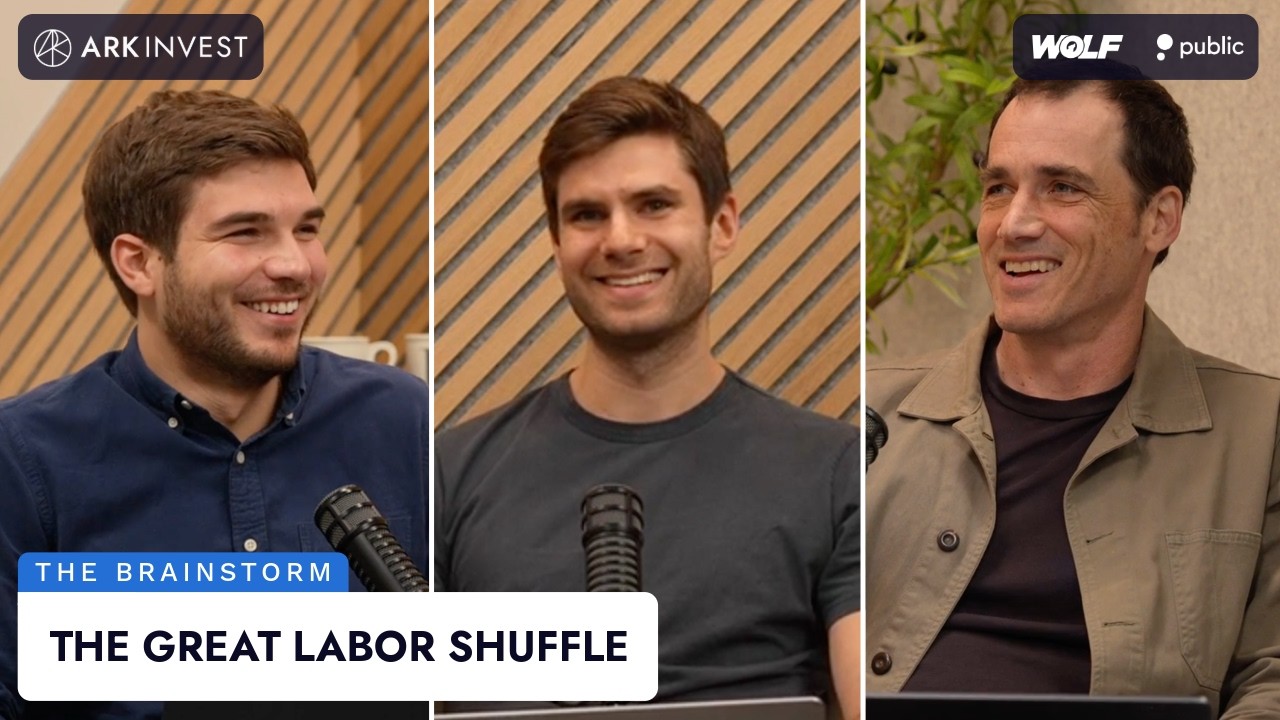
In a recent discussion on ARK Invest's 'The Brainstorm' podcast, host Brett Winton, along with analysts Nick Grous and Sam Korus, delved into Block's recent decision to lay off 40% of its workforce. The central question posed was whether this significant workforce reduction is a sign of necessary innovation and streamlining, or indicative of underlying bloat within the company.
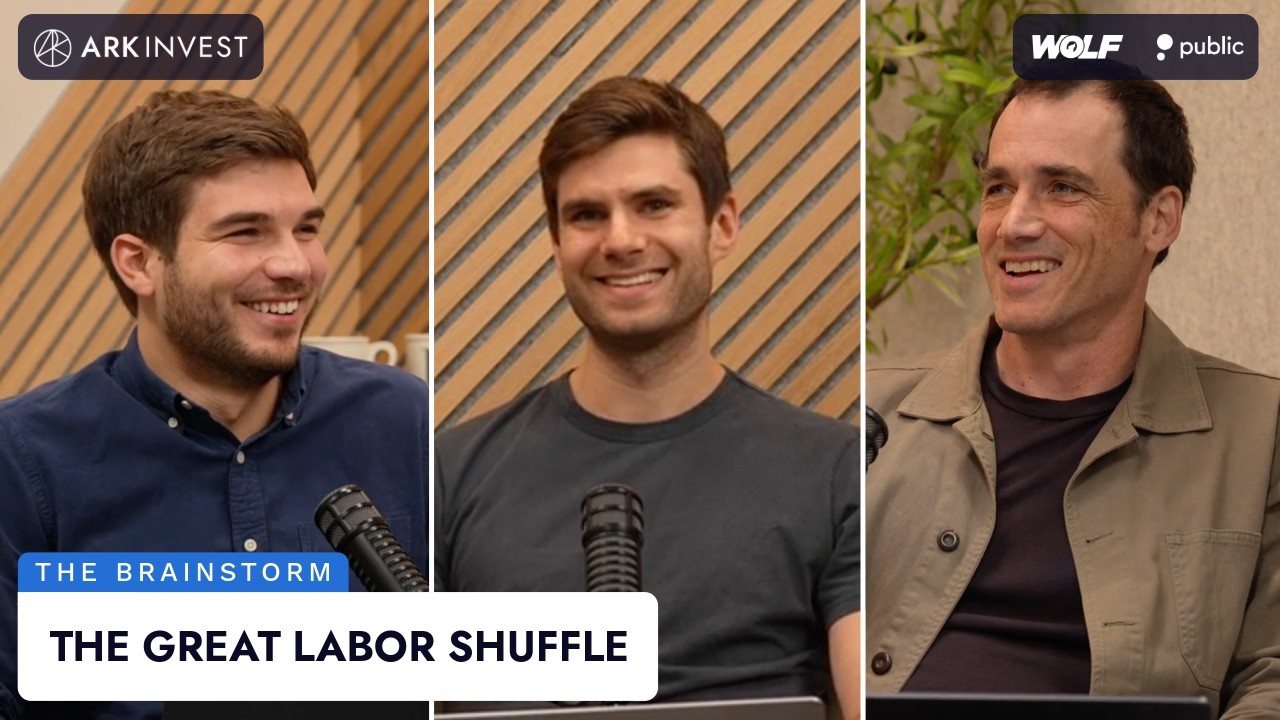
The Speakers
Brett Winton is a research analyst at ARK Invest, focusing on disruptive innovation. He is known for his deep dives into technological trends and their potential economic impact.
Nick Grous is also a research analyst at ARK Invest, with a focus on emerging technologies and their application in various industries. He often brings a data-driven perspective to the discussions.
Sam Korus, an analyst at ARK Invest, contributes to the firm's research on disruptive technologies, often focusing on the intersection of technology and economic trends.
The Block Layoff: Innovation or Bloat?
The conversation began with Nick Grous framing the situation around Block's substantial layoffs, noting that the company's decision to cut its workforce by 40% is directly linked to the advancements and increasing integration of Artificial Intelligence (AI). Grous highlighted that Jack Dorsey's perspective, as articulated in his post, suggests that AI is now capable of performing tasks previously requiring human labor, thereby necessitating a strategic shift within the company. Grous posited that Block faced a critical choice: either gradually reduce its workforce over time or implement a more aggressive, upfront reduction to streamline operations and capitalize on AI's potential.
Grous presented data indicating that Block's revenue per employee, even before the layoffs, was remarkably high compared to many other companies in the fintech sector. He cited figures showing Block's pre-layoff revenue per employee at $1.7 million, significantly outperforming competitors like PayPal ($1.0 million) and Square ($1.2 million). This suggests that the company was already operating with a relatively lean workforce. However, he emphasized that post-layoff, Block's projected revenue per employee is expected to increase to $2.9 million, placing it at the top tier of fintech companies and even surpassing the industry leader, Visa. This metric is crucial for investors and analysts as it reflects a company's efficiency in generating revenue from its workforce.
The analysts discussed the potential implications of these layoffs, particularly concerning the role of AI in future workforce dynamics. Grous pointed out that while some might view the layoffs as a direct response to AI replacing human jobs, it's also a strategic move to re-allocate resources and focus on more productive, AI-augmented roles. He suggested that the decision was made to ensure the company remains competitive and efficient in a rapidly evolving technological landscape.
Korus added a critical perspective, questioning whether the layoffs were solely driven by efficiency gains from AI or if they also addressed a potential issue of organizational bloat that had accumulated during periods of rapid growth. He referenced a projection that AI could potentially increase productivity by 50% for knowledge workers, implying that companies might need to re-evaluate their staffing needs in light of these advancements. Korus also highlighted the broader economic context, noting that while GDP growth has been strong, consumer spending growth has stagnated, suggesting potential headwinds for businesses.
The discussion then shifted to the broader implications of AI on the labor market. The analysts agreed that while AI can enhance productivity and create new job opportunities, it also poses a significant challenge to existing job roles. They debated whether companies should focus on retraining their workforce to adapt to AI-driven changes or if they should embrace a more direct replacement of human labor with AI systems. The conversation touched upon the idea that companies that effectively integrate AI might be able to achieve higher revenue per employee and, in turn, drive greater economic growth.
Korus specifically mentioned that the current economic environment, with high inflation and slowing consumer spending, might force companies to prioritize efficiency and cost-cutting measures, with AI adoption being a key strategy. He pointed out that companies that are not actively leveraging AI might be at a disadvantage in the long run.
The analysts also touched upon the concept of 'agentic systems' – AI systems that can perform tasks autonomously. They suggested that as these systems become more sophisticated, they will likely lead to more significant shifts in the labor market, potentially automating entire job functions rather than just specific tasks. This raises questions about the future of work and the need for continuous adaptation and reskilling of the workforce.
Ultimately, the discussion underscored the transformative impact of AI on the business world, emphasizing the need for companies to adapt their strategies to remain competitive and leverage these new technologies effectively. The layoffs at Block were presented as a case study in this ongoing evolution, highlighting the complex interplay between technological advancement, economic pressures, and workforce management.


