


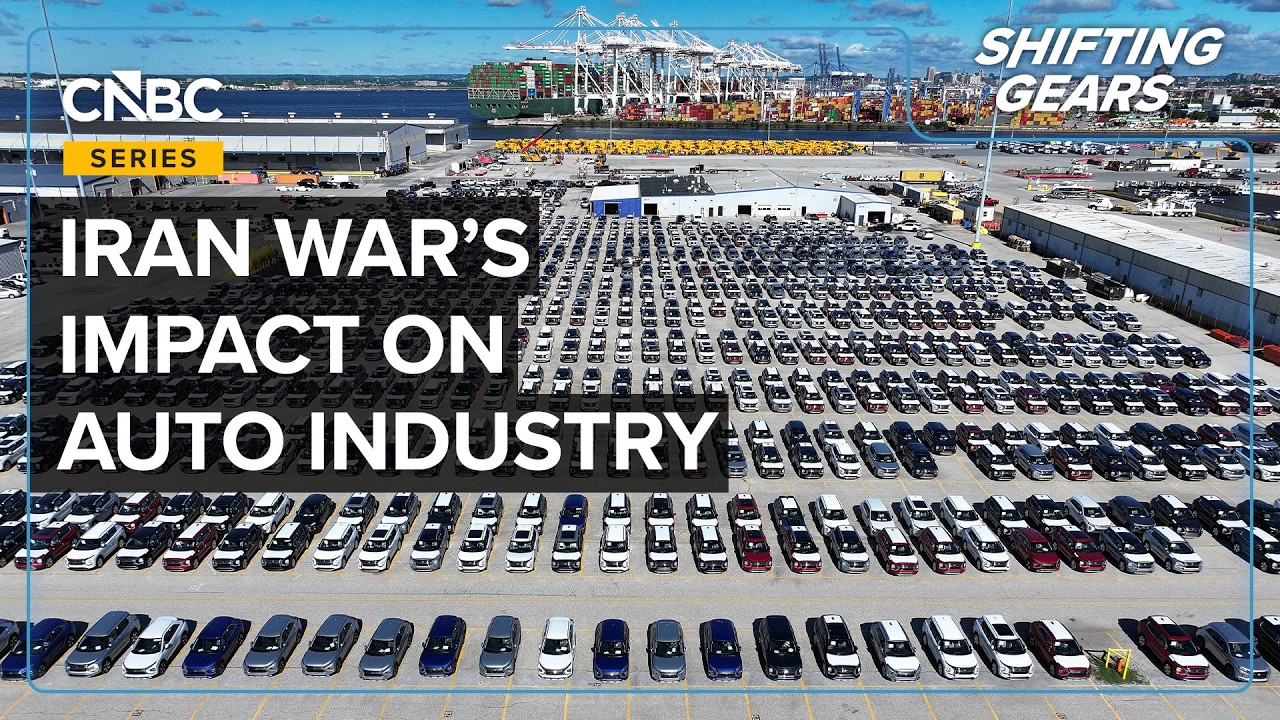
The global automotive industry is navigating a complex landscape of supply chain challenges, exacerbated by geopolitical tensions and shifts in consumer demand. As automakers transition towards electric vehicles (EVs) and grapple with the increasing reliance on software, they are simultaneously confronting disruptions in the supply of fundamental raw materials and components. Robert Ferris, reporting for CNBC, details how these interconnected factors are creating a volatile environment for manufacturers worldwide.
Key Figures and Their Perspectives
The discussion features insights from industry experts who are closely monitoring these trends. Robert Ferris, a CNBC correspondent, provides the journalistic overview, connecting various economic and geopolitical events to their impact on the automotive sector. Dan Hearsch, Global Co-Leader for Automotive and Industrial at AlixPartners, offers a deeper analysis of the challenges and potential solutions from a consulting perspective.
Geopolitical Instability and Oil Supply
A central theme is the vulnerability of global energy markets to geopolitical instability. The conflict in Iran is cited as a prime example, threatening to disrupt approximately 20% of the world's oil supply originating from the Strait of Hormuz. This disruption has a ripple effect, driving up oil prices and impacting the cost of various automotive components. As Ferris notes, oil is a fundamental input for a wide array of materials used in vehicles, including plastics and other petrochemical derivatives.
Rising Costs of Essential Materials
The automotive industry's reliance on key commodities like oil, natural gas, and aluminum makes it particularly susceptible to price volatility. Hearsch highlights that oil is not only a fuel source but also a critical component in the production of plastics, which constitute a significant portion of a vehicle's weight. Similarly, aluminum, a lighter alternative to steel that is increasingly used in vehicle manufacturing to improve fuel efficiency and EV range, is also a major energy-intensive material to produce. The global supply and cost of these materials are directly influenced by geopolitical events and energy market fluctuations, leading to increased manufacturing costs.
Supply Chain Disruptions and Production Impacts
The ongoing supply chain issues, amplified by the conflict in Ukraine which disrupted the supply of wire harnesses, underscore the fragility of the automotive manufacturing ecosystem. Hearsch points out that many fundamental components and materials are sourced from regions that are now experiencing significant geopolitical stress. This has led to situations where automakers are struggling to secure essential parts, impacting production schedules and potentially leading to delays.