


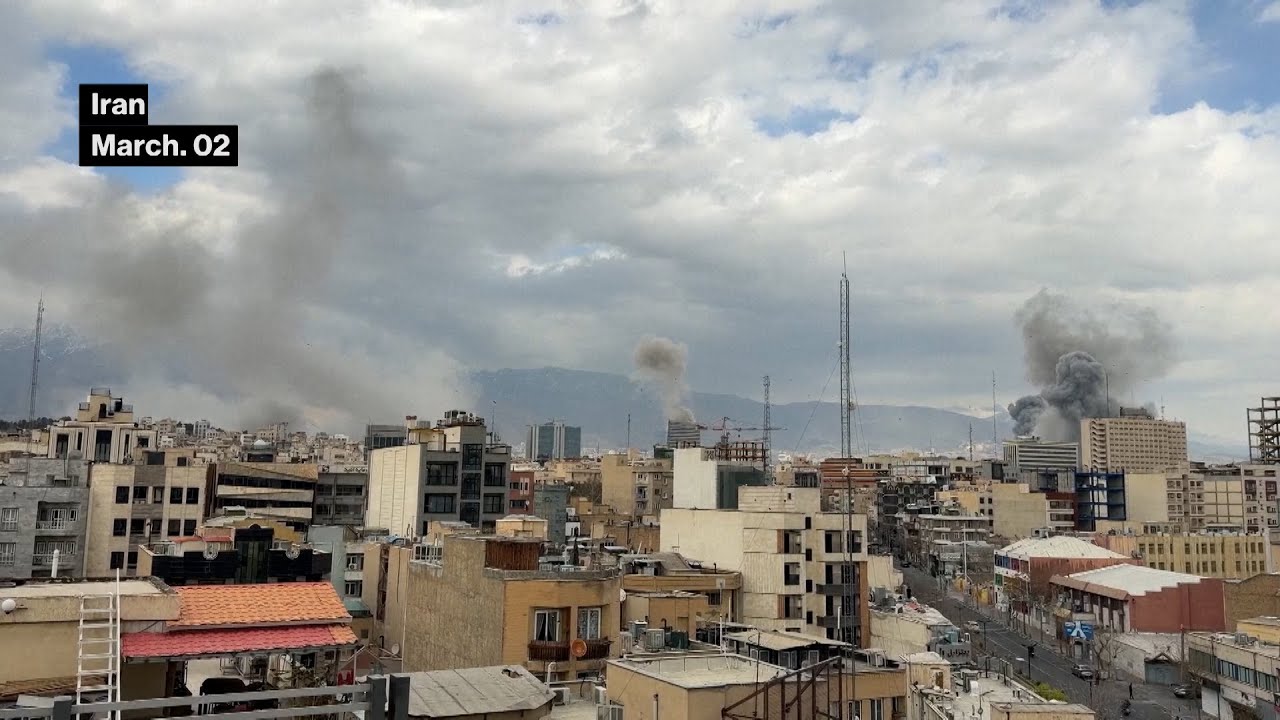
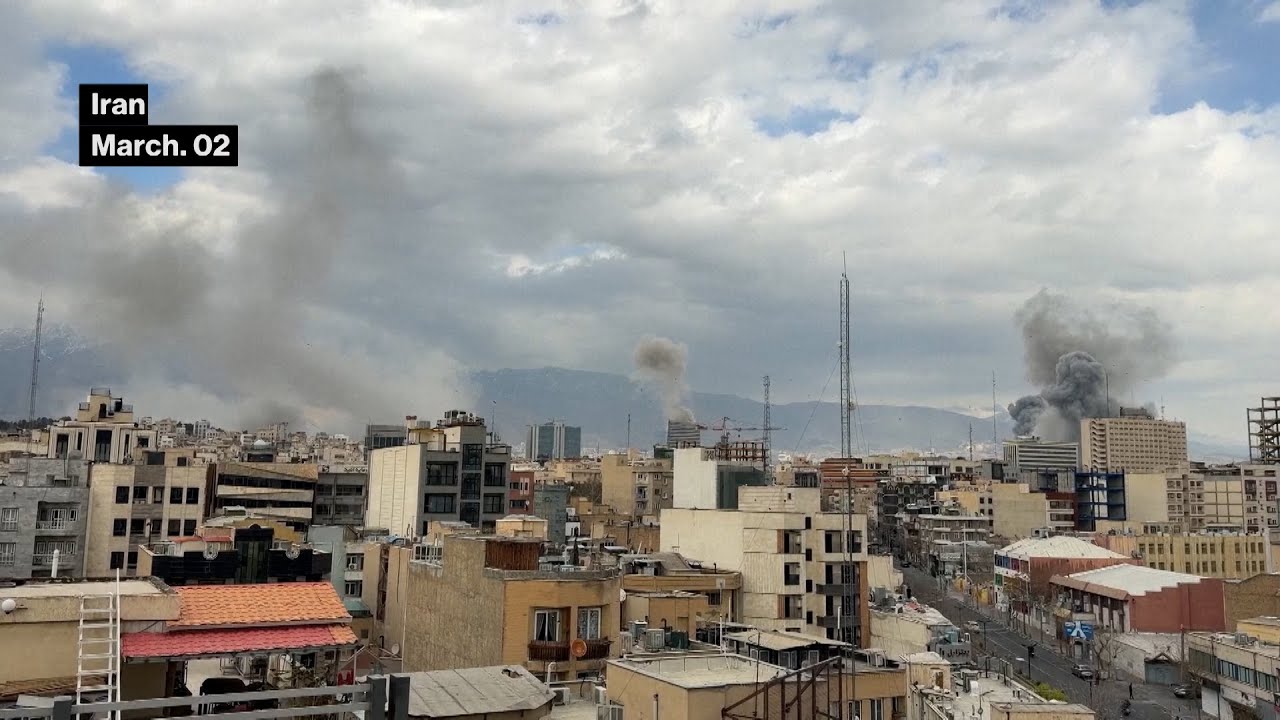
The current geopolitical climate, marked by the conflict in Iran, is exerting considerable pressure on global supply chains, a reality that is particularly acute for the defense sector. Tara Murphy Dougherty, CEO of Govini, a company specializing in AI-powered solutions for the defense industrial base, discussed the critical need for enhanced resilience in this vital industry. In a recent broadcast, Dougherty highlighted how existing vulnerabilities in defense production are being exacerbated by these global disruptions.
The full discussion can be found on Bloomberg Technology's YouTube channel.
Understanding the Challenges in Defense Supply Chains
Dougherty emphasized that the defense industry is grappling with a fundamental availability crisis, characterized by bottlenecks and a lack of foresight in managing critical component production. She pointed out that disruptions stemming from geopolitical events like the conflict in Iran necessitate a more robust and adaptive approach to supply chain management. The ability to predict and mitigate potential shortages of essential materials and manufactured goods is paramount for national security.
The Strategic Importance of AI in Defense Production
The conversation underscored the transformative potential of artificial intelligence in addressing these challenges. Dougherty stated, "The demand for American military power is continuing to increase... And so there's a production need in the United States... There's also an availability of parts and legacy systems that is equally important." This highlights a dual challenge: scaling up production of new systems while ensuring the continued availability and maintenance of existing ones. AI, she explained, is crucial for achieving this balance.
Leveraging AI for Predictive Resilience
Govini's CEO elaborated on how AI can provide the necessary foresight and agility. "We know that AI is upon us, and what we need to do as the US military is better harness it... to demonstrate that when you look past the primes, the sub-tier suppliers of critical parts for those munitions are shared." This implies that a lack of visibility into the deeper layers of the supply chain creates significant risks. By applying AI, the defense establishment can gain a clearer understanding of these complex networks, identifying potential choke points and dependencies.