

AI Data Centers Are Making Everything Expensive

Apple, Xbox and PC makers cite AI data centers for memory price spikes, but a shift to HBM by three dominant suppliers is squeezing DRAM and NAND supply.

3 min read
Stacked HBM chips and DRAM modules illustrating AI data center memory shortage
HBM demand is diverting capacity from DRAM and NAND, lifting prices for laptops, consoles and storage.· YouTube

In 2025 a MacBook Pro cost $1,600. Less than a year later the same laptop costs $400 more, and according to YouTube Apple says AI data centers are the reason.
AI Data Centers Are Making Everything Expensive - YouTube
AI Data Centers Are Making Everything Expensive, from YouTube

That explanation has become standard. Xbox cited the same cause for a $150 hike on a nearly six-year-old console, and Lenovo, Dell and HP have raised prices too.

The story does not add up on its face. Data centers do not even use the same chips as your laptop or phone.

How AI data centers actually squeeze memory supply

Three chips matter here. NAND is long-term storage, DRAM is fast short-term memory, and HBM is DRAM on steroids.

NAND and DRAM power phones, tablets, PCs and TVs. HBM powers AI systems.

It is stacked vertically, moves data five to 10 times faster than DRAM, and takes far more capacity and cost to make. One fab machine alone costs up to $400 million.

Only three companies make most of the world's supply. Micron, Samsung and SK Hynix produce more than 60% of NAND and nearly 90% of DRAM.

All three have shifted capacity to HBM, where AI customers pay more. Between June 2025 and June 2026 their stock prices jumped as Google, Microsoft, Meta and Amazon spent more than $1 trillion expanding AI since 2023.

Supply for everything else shrank. As of August 2026 there were 2,228 new data centers planned or under construction in the US, and Business Insider mapped 1,416 built or approved as of June 2026.

Why this hurts and why it is not going away soon

Higher component costs are now passed to buyers. Xbox raised the 512GB Series S from $400 to $500 and the 1TB model from $450 to $600, discontinued the 2TB version, and warned memory and storage costs could double again by fall 2027.

Photographers and shops feel it first. Atlanta photographer Alan Cooley said seven drives that once cost $1,500 now cost over $6,000 to $7,000, and a 4TB Samsung T7 he bought for $285 in April 2025 now lists for $1,144.99.

Photo Care in New York, in business since 1968, said 1TB SSDs went from about $170 to over $300 in eight months and some memory cards doubled from $50 to over $100. Media unit sales fell 30%.

There is no quick fix. A new fab costs $15 billion to $20 billion, needs rows of $400 million tools and clean rooms, and takes 3 to 5 years to build. SK Hynix said it is fast-tracking its Yongin cluster, originally slated for 2045.

Another pressure point is legal and political. Seventeen plaintiffs filed a class action in June 2026 alleging Micron, Samsung and SK Hynix colluded to limit supply, an echo of early-2000s DRAM price-fixing guilty pleas by Samsung and Hynix.

Communities are also pushing back on buildouts. On July 18, 2026, 142 protests across 42 states opposed data centers, and New York enacted a one-year moratorium in July 2026.

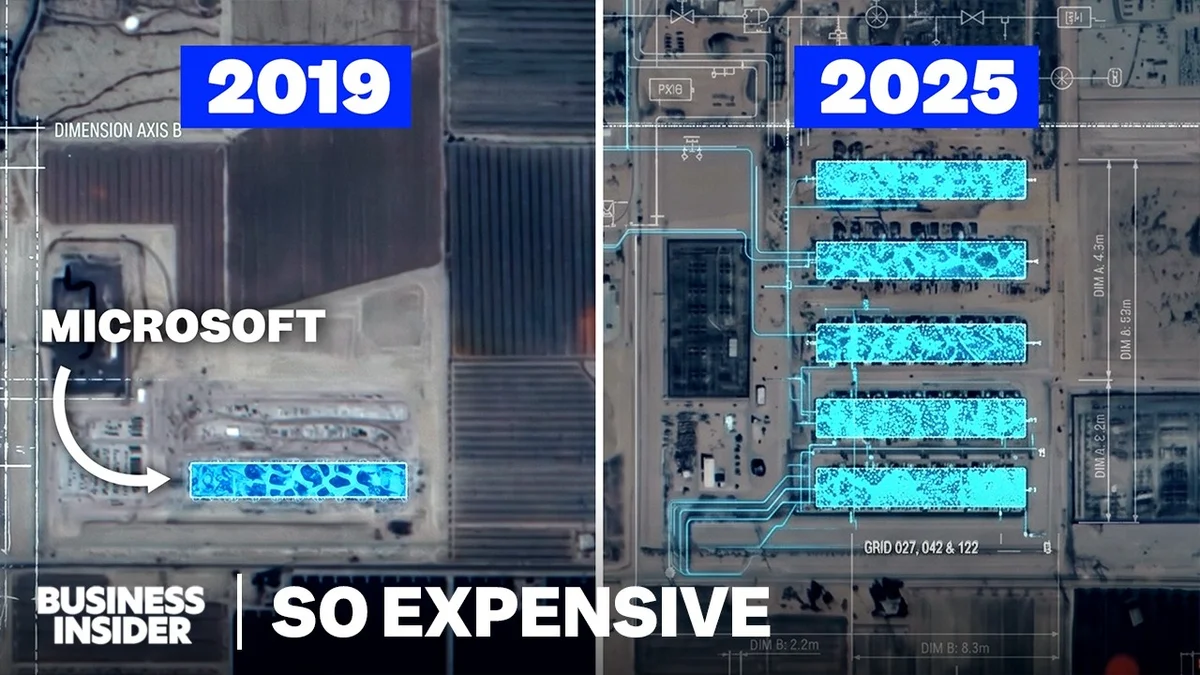
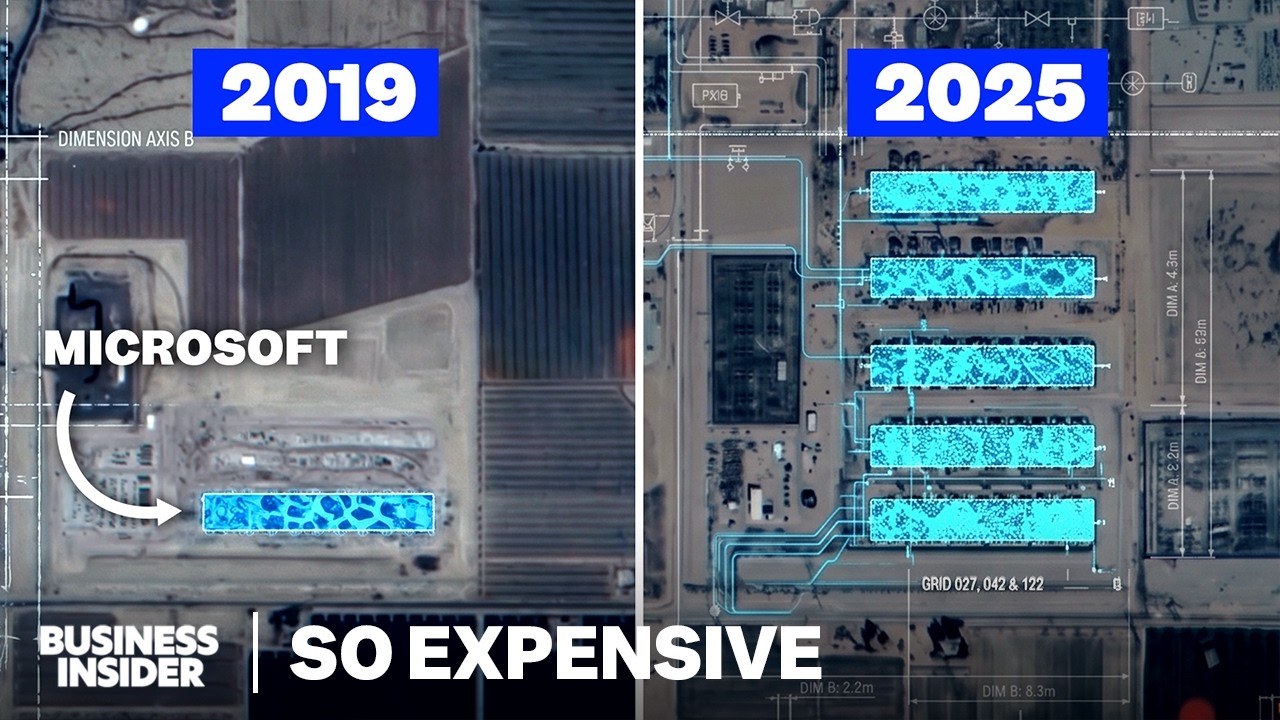
Microsoft highlights the tension. It built 53 of those mapped data centers and expects to spend about $175 billion on AI in 2026 alone, yet its own Xbox division cannot secure enough DRAM and NAND.

That is the tell for builders. When even Apple struggles to buy commodity memory, allocation is not just an AI story, it is a concentration story.

If demand cools, history suggests prices will crash. The memory market has always been cyclical, and a glut in two years would punish the same suppliers now cashing in.

© 2026 StartupHub.ai. All rights reserved. You may not republish this article in full without a license. Search engines and AI research tools may crawl and summarize for reference. Bulk reproduction or model training requires a license. See our terms.