

The explosive growth of generative AI is not just taxing GPUs; it is rapidly taxing local power grids, water supplies, and community patience. As the foundation of the AI revolution, data centers have become flashpoints for local political and environmental backlash, forcing tech giants to rethink their fundamental relationship with the communities hosting their infrastructure. Microsoft, a primary driver of this massive global build-out, has proactively stepped forward, announcing a set of core principles aimed squarely at mitigating these externalities and securing the necessary "social license to operate."
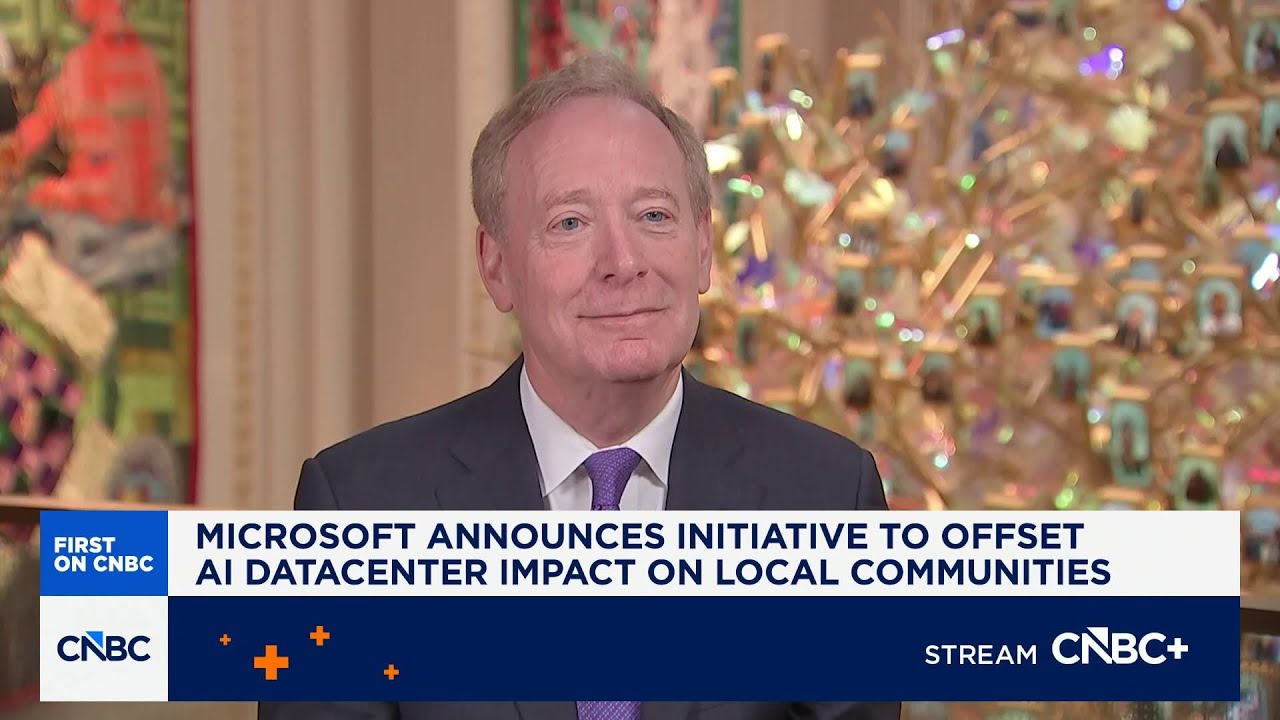
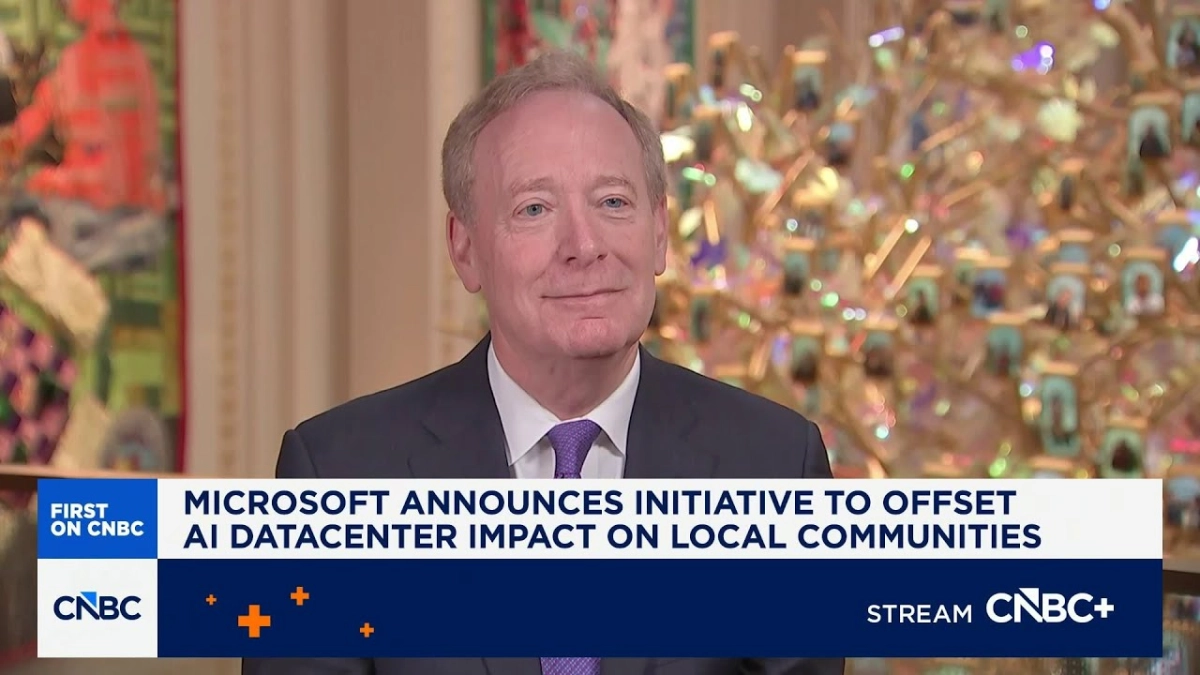
Microsoft President Brad Smith spoke with CNBC’s Eamon Javers about the company’s newly announced initiative, detailing five core principles designed to offset the local impacts of their expanding global network of AI data centers. The conversation, held amid rising scrutiny from both local governments and the federal administration, underscored a critical pivot for the technology sector: infrastructure leadership today demands not just technical prowess, but a demonstrable commitment to civic responsibility.
Smith acknowledged that the confidence of local communities is not merely a soft metric but a foundational requirement for expansion. AI and cloud leadership today "requires many things," he stated, but critically, "one of them is sustaining the confidence of local communities so we can buy land, build data centers, and operate them." This recognition is a direct response to the increasing difficulty tech companies face when attempting to secure permits and land rights in regions where concerns about resource depletion and price hikes outweigh the perceived economic benefits.
The most immediate and politically charged issue addressed by the new principles is electricity consumption. AI training and inference demand unprecedented amounts of power, leading to fears that major tech companies are driving up utility costs for residential consumers. Javers directly asked Smith if this initiative was an attempt to "stave off political blowback." Smith admitted that the strategy reflects both Microsoft’s long-standing culture of civic engagement and "the issues of the day." The first of Microsoft’s five principles is a clear, financial pledge: “We’ll pay our way to ensure our data centers don’t increase your electricity prices.” This commitment is a significant strategic move, designed to remove the most common and potent criticism leveled by local political leaders. Smith later reiterated the core commitment, stressing the need "to ensure that we pay for our electricity costs and don't leave consumers picking up the tab." This sets a new, high bar for how hyperscalers must structure their energy procurement and pricing agreements globally.
Beyond energy, water use remains a major environmental hurdle, particularly in drought-prone regions where data centers rely on evaporative cooling. The second principle tackles this directly, promising to "minimize our water use and replenish more of your water than we use." This pledge moves beyond simple conservation toward net-positive environmental stewardship, a necessity as climate change amplifies regional water stress. For tech leaders and VCs investing in infrastructure, this signals that future operational expenditures must account for not just energy costs, but comprehensive water management solutions, likely accelerating investment in more efficient cooling technologies like liquid immersion.