


"This is not going to be the peak investment year in AI and AI CapEx. This is not going to be. It's going to continue to rise next year." This blunt assessment from Mark Mahaney, Evercore ISI's Head of Internet Research, cuts through the noise surrounding current technology valuations, asserting that the massive capital expenditure fueling the artificial intelligence revolution is merely entering its second phase, promising sustained growth for infrastructure providers and application leaders alike.
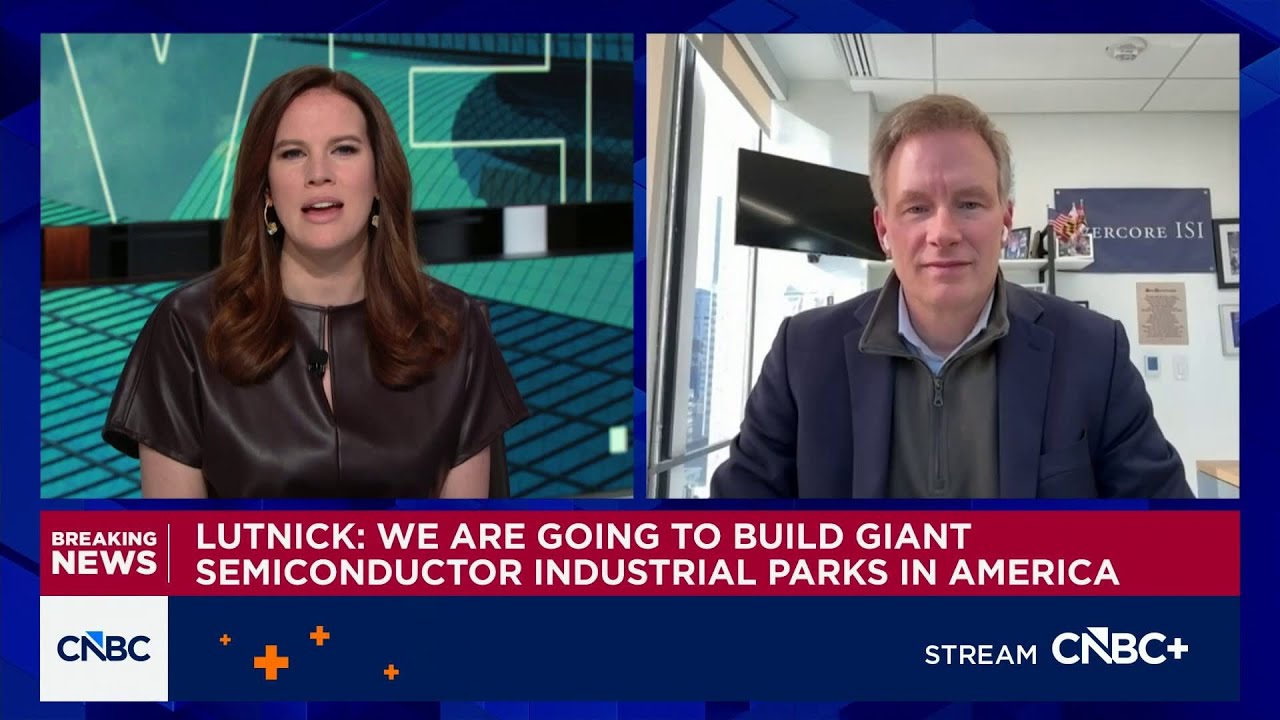
Mahaney spoke on CNBC’s Power Lunch to discuss the ongoing semiconductor boom, the distribution of gains across the tech ecosystem, and the macroeconomic factors that could potentially derail the current momentum. His core message was one of enduring structural optimism: the shift toward AI is a fundamental, multi-year industrial transformation, not a short-term spending spike. He noted that the major tech hyperscalers are currently spending between $300 billion and $400 billion on CapEx, a significant portion of which is explicitly driven by AI requirements. This spending, Mahaney argues, is justified because these companies are seeing "very good ROIs or ROAIs on their spend," ensuring the cycle continues beyond 2024, albeit potentially at a slightly more moderated pace.
The conversation naturally pivoted to where the immediate benefits of this CapEx cycle are being realized. While the initial surge has heavily favored semiconductor manufacturers like Nvidia, Mahaney believes the gains are broadening, focusing his attention on companies translating foundational AI infrastructure into tangible commercial services and efficiency gains. This analysis leads him away from the most obvious winners and toward a name that lagged its peers in 2023: Amazon.
Mahaney identified Amazon as his current top pick, citing a combination of factors rooted both in the cloud and the company’s massive retail operations. The primary driver remains Amazon Web Services (AWS), the cloud giant that has historically served as the infrastructure backbone for countless startups and enterprises. He predicts an acceleration in AWS revenue growth throughout the year, driven by the industry-wide push to leverage cloud services for AI enablement. "I think you’re going to have accelerating AWS growth as we go through the year," he stated, attributing this momentum to the broad, economy-wide interest in investing in AI-enabled cloud services. AWS is positioned not just as a provider of raw computing power, but as a critical partner in the deployment of generative AI solutions, ensuring its central role in the continued CapEx boom.
Beyond the cloud, Mahaney sees Amazon’s retail segment, which often receives less analytical attention in AI discussions, as a sleeper catalyst for accelerating growth and margin expansion. He pointed specifically to the integration of generative AI into the consumer experience. The introduction of tools like Rufus, Amazon’s new generative commerce functionality, is "making online retail better," enhancing search and discovery for consumers and improving conversion rates for sellers. This, combined with faster delivery logistics and the anticipation of a Prime pricing increase, creates a powerful trifecta: accelerating retail growth, which in turn boosts the highly profitable advertising segment, all while margins improve across the board. The confluence of these accelerating trends, coupled with a valuation he deems "very reasonable," positions Amazon as a compelling investment in the evolving AI landscape.