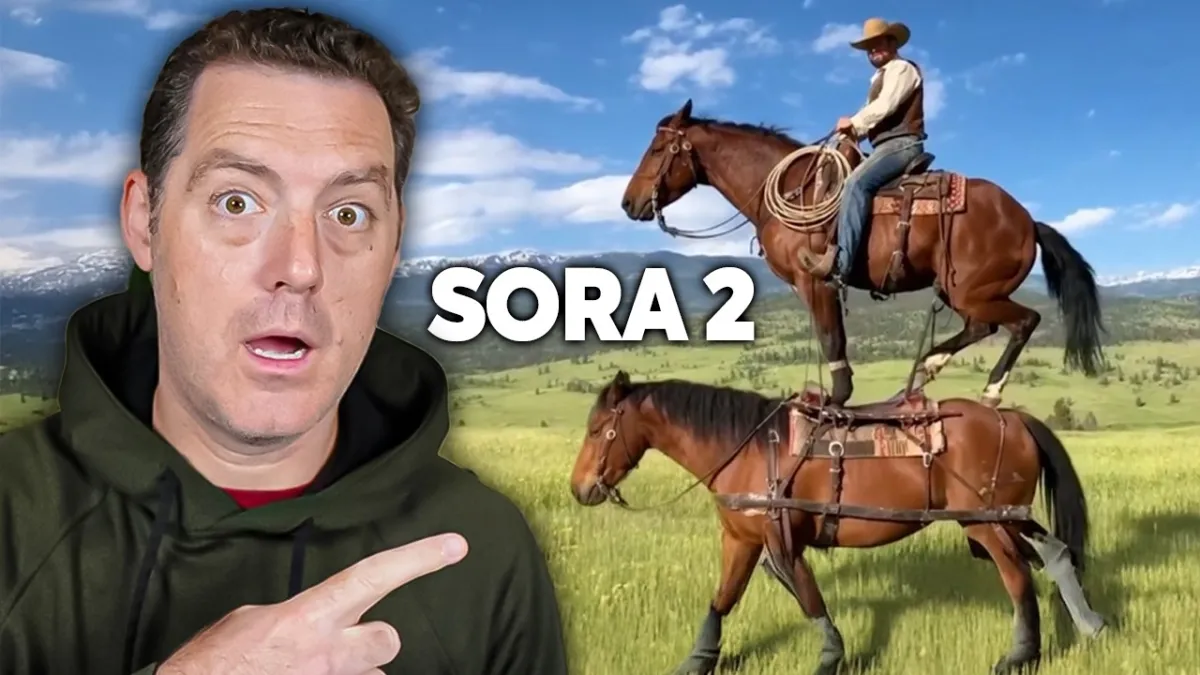
OpenAI’s Sora 2 represents a seismic shift in video generation, pushing the boundaries of realism and physical accuracy to a degree that is, as commentator Matthew Berman aptly describes, "scary good." This latest iteration moves beyond mere visual fidelity, introducing a sophisticated understanding of the physical world, synchronized dialogue, and advanced sound effects, fundamentally reshaping the landscape of digital content creation and hinting at profound implications for artificial general intelligence (AGI).
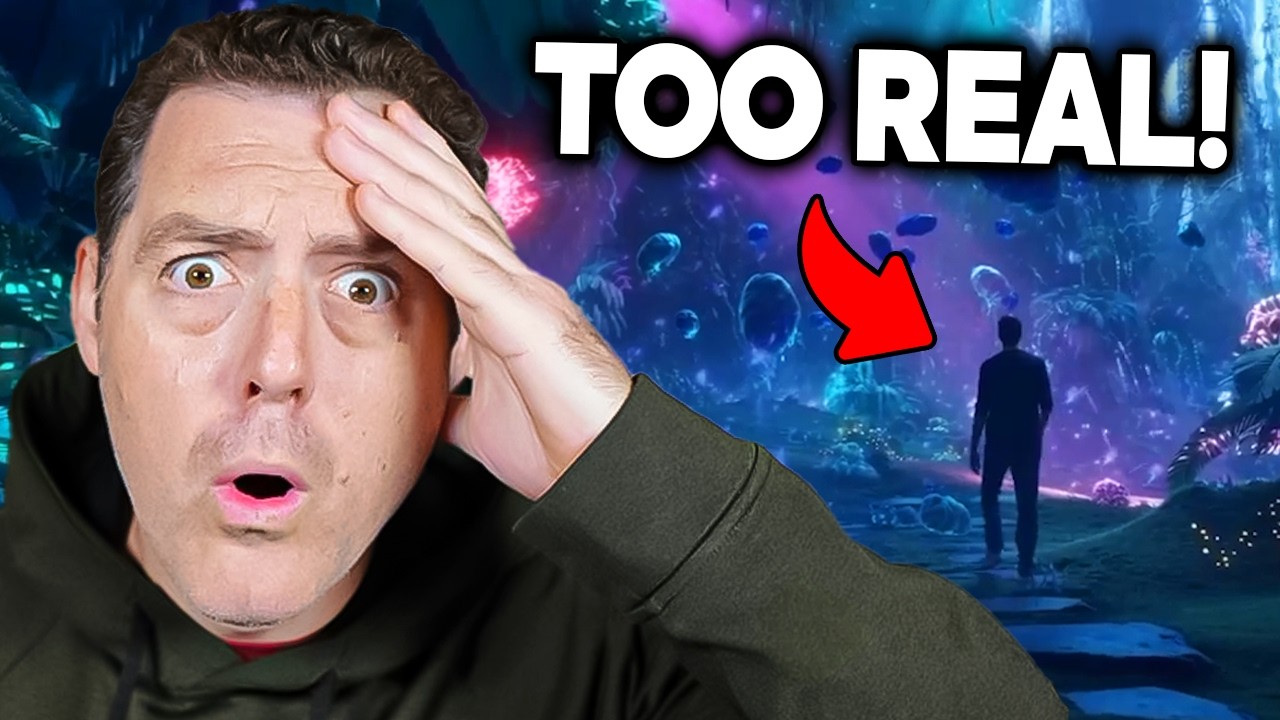
In a recent video reviewing the launch, Matthew Berman dissected the new capabilities of Sora 2, showcasing a series of astonishingly lifelike and imaginative clips. The demonstration wasn't just a highlight reel; it was a testament to a system capable of generating complex scenes with multiple characters, specific types of motion, and intricate background details, all while maintaining consistent visual style and object permanence. From fantastical glowing forests to a seemingly real Sam Altman delivering a keynote, the output blurred the lines between generated and captured reality.
One of the most striking revelations in the presentation was the inclusion of a generated Sam Altman, whose facial details, hair, lighting, and voice were so accurate that, as Berman exclaimed, "I cannot believe that this was generated... This looks like him." This particular demonstration underscores Sora 2's advanced capacity for mimicking human likeness and vocal patterns, raising immediate questions about authenticity and the future of digital identity. The ability to craft such convincing digital doppelgängers, complete with natural speech and environmental sound, opens up new avenues for personalized content but also necessitates a critical examination of potential misuse.
Beyond celebrity deepfakes, Sora 2’s advancements in simulating the physical world are perhaps its most significant technical leap. OpenAI's announcement emphasizes that "Our latest video generation model is more physically accurate, realistic, and controllable than prior systems." Berman highlighted a crucial distinction: older models might deform reality or spontaneously teleport objects to achieve a prompt, whereas Sora 2 demonstrates a deeper adherence to the laws of physics. For instance, if a basketball player misses a shot, the ball will realistically rebound off the backboard, rather than magically entering the hoop. This nuance, the ability to model failure, not just success, is an "extremely important capability for any useful world simulator."
This focus on robust "world simulation capabilities" is not merely about creating impressive visuals; it's intricately linked to the broader pursuit of AGI. As Berman pointed out, drawing from his interviews with Google DeepMind’s VO3 team, these advanced world models are seen as critical for training embodied AI, robots that can learn and experiment in simulated environments before deployment in the real world. This approach promises safer, more efficient development of intelligent agents, sidestepping the prohibitive costs and risks associated with real-world experimentation.