
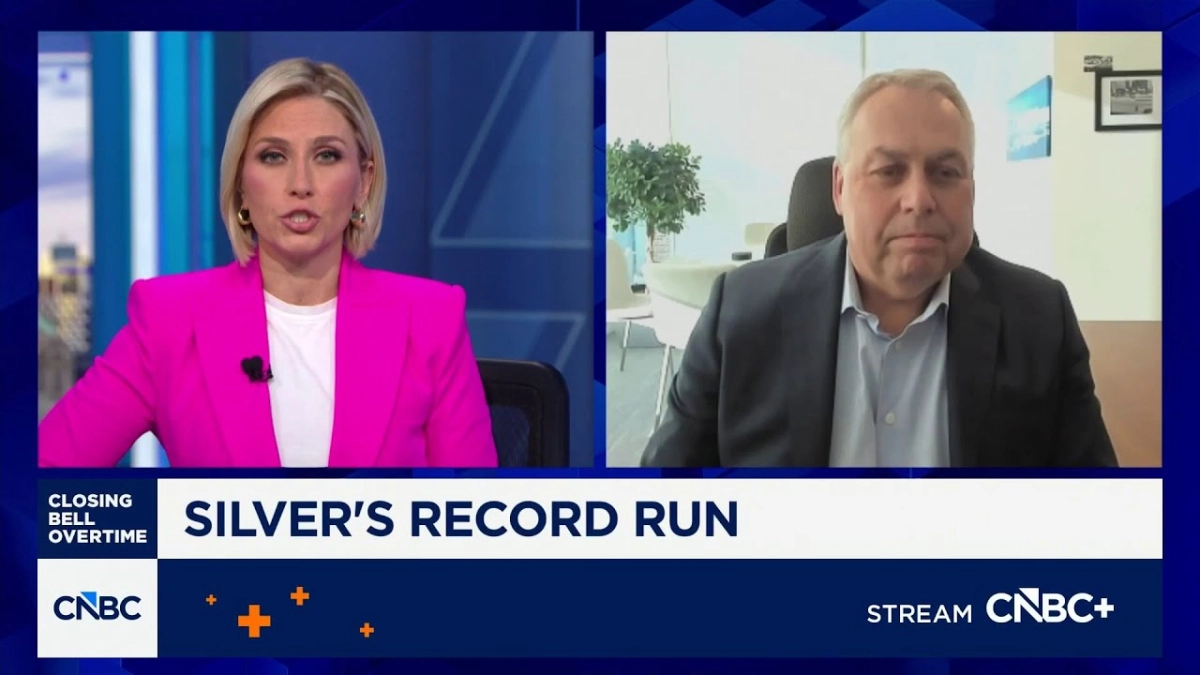
As artificial intelligence and data centers rapidly expand, their insatiable demand for critical materials is creating unexpected market dynamics. Michael Steinmann, CEO of Pan American Silver, illuminated this burgeoning trend in a recent CNBC 'Closing Bell Overtime' interview with Sara Eisen and Jon Fortt, discussing the forces propelling silver to record highs and the structural deficits underpinning this surge. His insights offer a crucial perspective for founders, investors, and tech leaders grappling with the foundational resource requirements of the future economy.
Steinmann, speaking with Eisen and Fortt on CNBC's 'Closing Bell Overtime,' delved into the state of the silver markets, identifying both industrial and investment demand as key drivers for the metal's current record run. He highlighted silver's unique position as a critical element for modern technology, a factor often overshadowed by its traditional role as a precious metal. This dual utility is creating unprecedented pressure on global supply chains.
The industrial application of silver is a significant, yet often underappreciated, component of its market value. Steinmann emphasized that approximately 65% of all silver produced is consumed by industrial uses, with solar panel production being the single largest segment. Beyond renewable energy, silver's unparalleled electrical conductivity makes it indispensable in a vast array of electronic applications. "Silver is the best electric conductor in the world," Steinmann stated, explaining its necessity for "any fast connection you need in your computer, in your cell phone, AI comes to mind, data centers, you need a lot of silver for that." This direct link to the foundational infrastructure of the AI revolution underscores silver's escalating strategic importance.
The burgeoning demand from AI and data centers is not merely an incremental increase; it represents a fundamental shift in the metal's consumption profile. As AI models grow in complexity and data processing requirements skyrocket, the need for efficient, high-speed electrical connections intensifies. Silver, with its superior conductivity, becomes the material of choice, embedded in the very fabric of the advanced computing hardware driving the AI boom. This technological imperative ensures a persistent and growing industrial appetite for silver, transforming it from a niche material into a cornerstone of the digital age.
Compounding this industrial demand is a significant, persistent supply-side challenge. Steinmann pointed to a "structural deficit on silver for the last five years," noting that "we just don't see more increased production from the mining side." This deficit is not merely a temporary imbalance but a systemic issue rooted in how silver is primarily sourced. A striking 75% of the world's silver production is derived as a byproduct of mining other metals, chiefly copper and zinc. This means that silver output is intrinsically tied to the production cycles and economic viability of these primary metals, rather than being driven by direct silver mining operations.
The implications of this byproduct dynamic are profound. Copper, a major source of byproduct silver, is already experiencing its own demand surge, reaching all-time highs. Yet, even with copper mines operating at full capacity, there are no substantial new copper or zinc projects slated to come online in the near future. This effectively caps the potential for increased silver production, regardless of how high silver prices climb due to its own independent demand drivers. The market faces a fundamental mismatch: escalating demand from transformative technologies like AI, coupled with a supply chain that lacks the agility and capacity for significant expansion. This structural constraint suggests that the current supply challenges are unlikely to abate quickly.
Beyond industrial consumption, silver also garners significant investment interest, often seen as a safe-haven asset and an inflation hedge, similar to gold. This dual role means silver benefits from both economic expansion (driving industrial use) and economic uncertainty (driving investment demand). The combination of these forces creates a potent upward pressure on prices. Talk of a "short squeeze" in the silver market, driven by concerns over available inventory versus trading volumes, further highlights the market's current tightness and volatility. While inventory can shift between locations, the underlying physical deficit remains.
The ongoing deficit in silver supply, coupled with the relentless growth of electrification, autonomous vehicles, and artificial intelligence, paints a clear picture of sustained demand. These converging trends indicate that silver's elevated status as a critical metal is not a fleeting phenomenon but a long-term reality. The strategic importance of securing adequate silver supply will only intensify for industries reliant on advanced electronics and green technologies.