

The latest Lean In-McKinsey study reveals a stark truth: progress for women in the workplace is not just slowing, it's stalling. Sheryl Sandberg, a pivotal figure in advocating for women's leadership, returned to the public spotlight to deliver this sobering message, underscoring how emerging technologies like artificial intelligence threaten to further widen the gender gap.
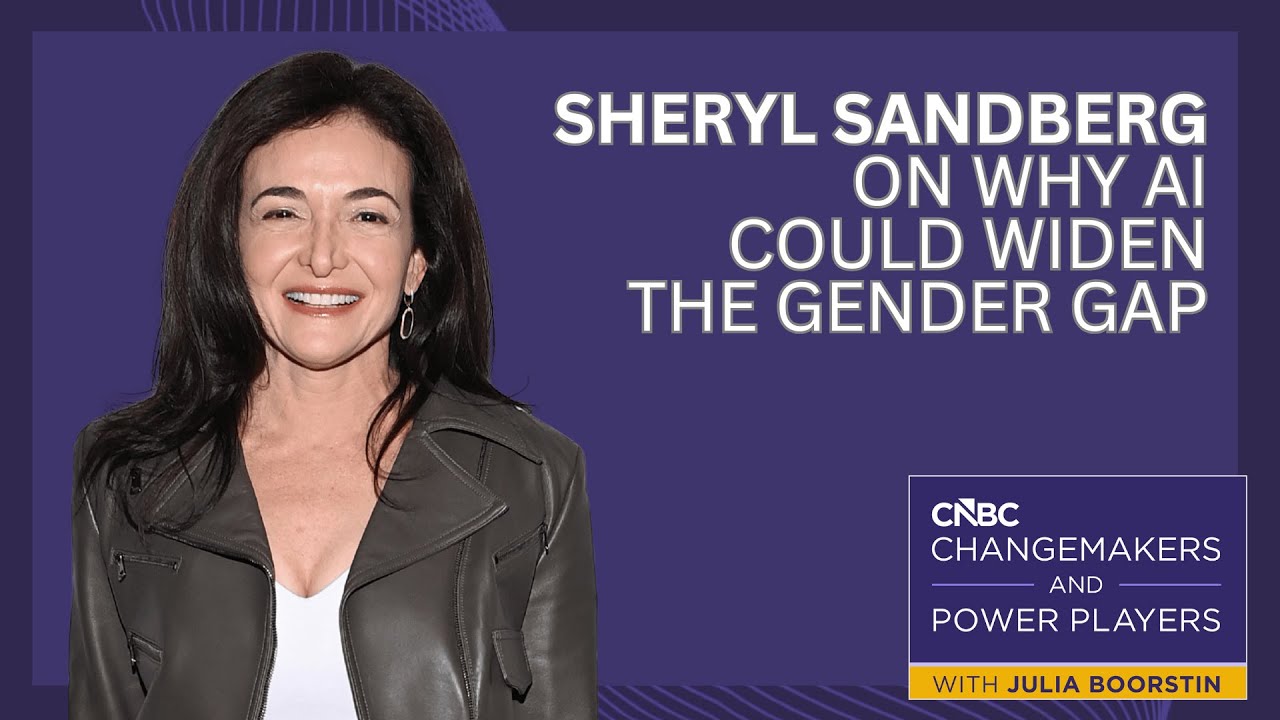
Speaking with CNBC's Julia Boorstin for the "Changemakers and Power Players" series, Sandberg, a seasoned technology executive and author renowned for her advocacy, presented findings from the 13th annual Lean In-McKinsey Women in the Workplace report. Their conversation delved into the alarming reversal of progress for women in corporate leadership and the potential for artificial intelligence to deepen existing inequities, urging immediate action from companies and individuals alike.
The report's findings paint a concerning picture. "Half of companies are no longer making women's career advancement a priority," Sandberg revealed, highlighting a significant retreat from commitments to diversity and inclusion. Worse, 21% of companies now consider women's career advancement a low or non-existent priority. This shift is particularly troubling given the long-standing efforts to achieve gender parity.
This trend has created what Sandberg terms a "real ambition gap for women." When asked about their desire for promotion, more men at every level express a willingness to advance. This is not due to a lack of intrinsic drive among women; rather, it is a response to systemic barriers and insufficient support.
The data further illustrates this structural disadvantage through the concept of the "broken rung." At the critical first step to management, for every 100 men promoted, only 93 women, 82 Latinas, and a mere 60 Black women receive similar opportunities. This initial disparity cascades throughout careers, ensuring women, particularly women of color, never catch up to their male counterparts in leadership pipelines. This imbalance is further compounded at senior levels, where men are 70% more likely to be tapped for leadership training, cementing their path to the top.
The economic implications of this backslide are profound. Since January, 455,000 women have exited the workforce, while 100,000 men have joined. This exodus not only impacts individual careers but also stifles national economic growth. Sandberg noted that bringing U.S. female workforce participation up to the levels of other developed nations would add an additional 4.2% to GDP growth, underscoring the tangible cost of neglecting gender equity.
The rise of artificial intelligence introduces another layer of complexity. Sandberg expressed significant concern that AI could widen the existing gender gap, pointing out that "men are more than 50% more likely to be encouraged to use AI by their managers." This disparity in encouragement means women are less likely to gain the critical skills needed for future job markets, potentially leading to further job displacement in roles traditionally held by women. This emerging gap demands immediate attention to ensure equitable access and training.
Beyond the numbers, a cultural shift, often termed "tech bro culture," contributes to this regression. Boorstin questioned whether a backlash against diversity initiatives, fueled by public displays of misogyny and "old bad ideas," is impacting corporate culture. Sandberg acknowledged the negative influence, stating that "rhetoric matters," and finds it "particularly troubling" when such regressive notions are repackaged with "new language, which makes them seem fresh." This cultural environment discourages women and normalizes biases, making it harder for them to thrive.
To counteract these trends, companies must proactively foster a level and fair playing field. This means standardizing performance criteria and interview questions to mitigate unconscious bias, ensuring that evaluations are based on merit rather than subjective perceptions. Sandberg emphasized that this is not about "special treatment" but about creating an environment where everyone has an equal opportunity to succeed. Investing in leadership training and mentorship for women, especially at the entry and mid-levels, is crucial to mend the broken rung.
For women navigating this challenging landscape, Sandberg's advice is one of resilience and self-advocacy. She urges women to understand that while the path may be harder, the pursuit of their ambitions is ultimately "worth it." She encourages women to embrace new technologies, particularly AI tools, recognizing their critical importance for future career success. Moreover, she stresses the importance of finding support networks and allowing oneself to process emotions, then channeling that energy into proactive solutions.
