

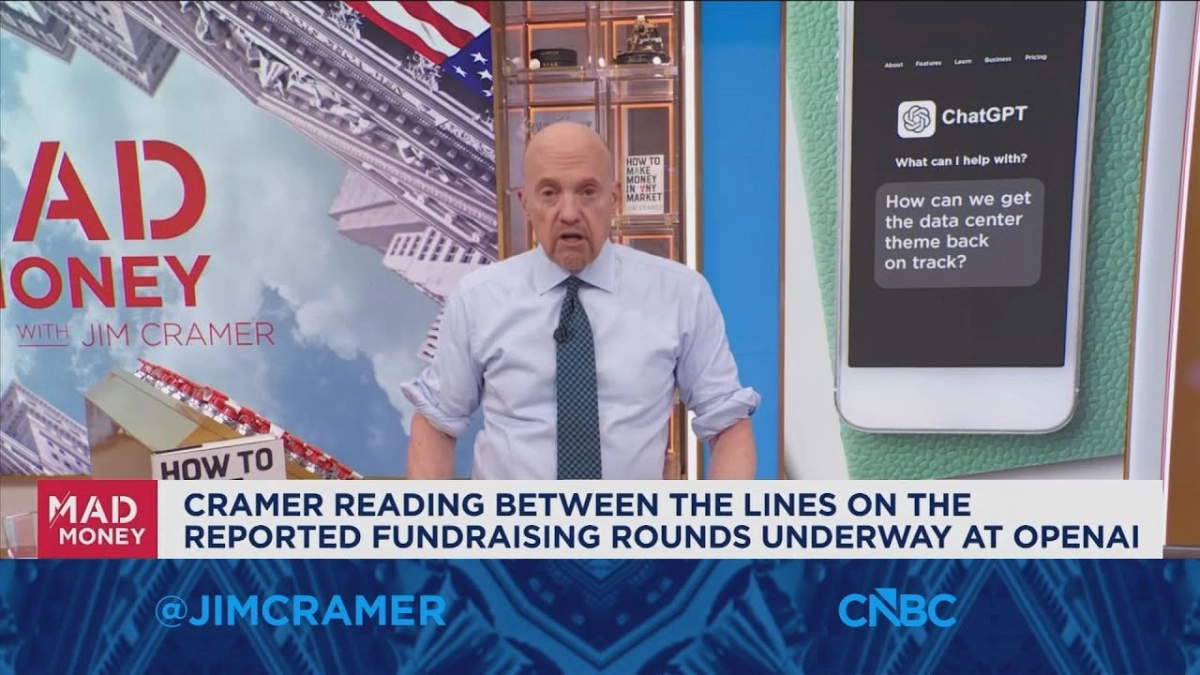
The artificial intelligence sector, a growth narrative once lauded with unwavering enthusiasm, recently experienced a "rough ride" on Wall Street, as Jim Cramer observed on Mad Money. This period of investor trepidation, where the market seemed to have "decided it was done" with the AI data center theme, has now given way to a cautious but palpable sense of reprieve. The shift signals a complex interplay of market dynamics, infrastructure realities, and the audacious fundraising strategies of key players like OpenAI, whose potential capital injection could either revitalize or further entrench the current stalemate in data center development.
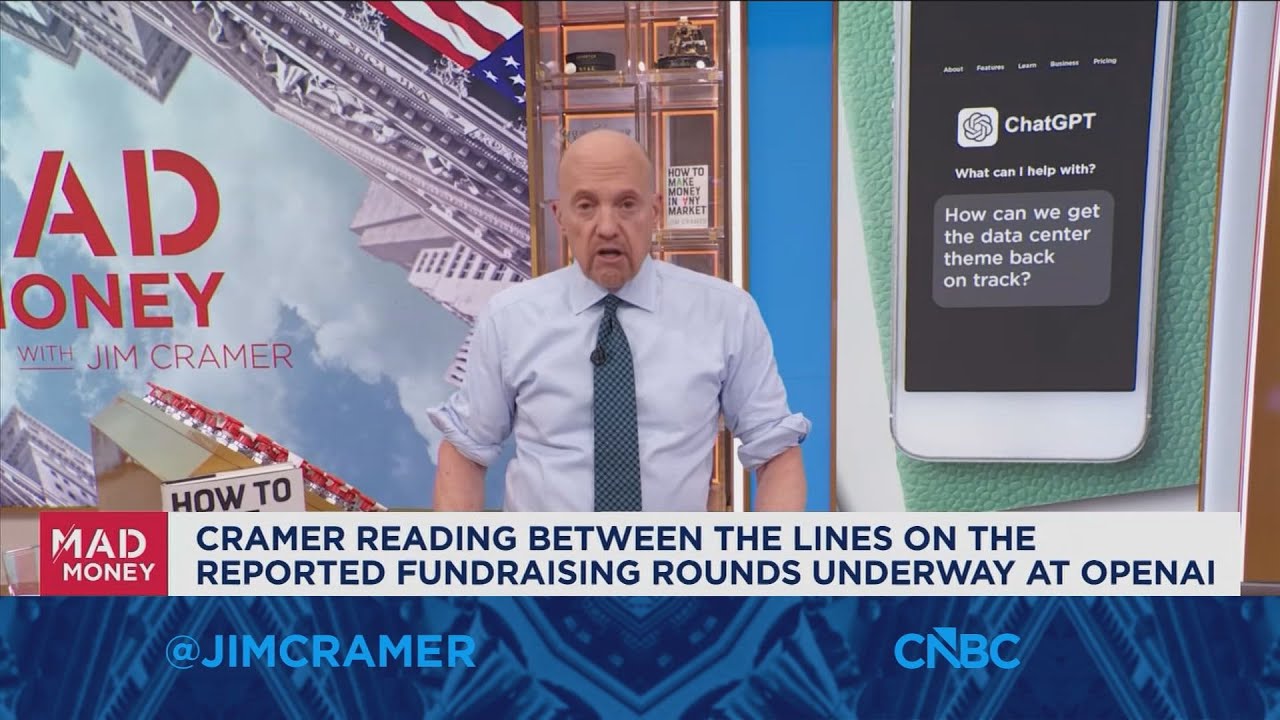
Jim Cramer, speaking on Mad Money, dissected the current state of the AI trade, the ongoing market rotation into consumer-facing names, the recent volatility surrounding Oracle, and the future trajectory of the data center build-out. His commentary highlighted the significant capital expenditure required to fuel AI’s growth and the surprising headwinds encountered by hyperscalers, alongside an unexpected resurgence in traditional sectors.
The initial euphoria surrounding AI-driven data center expansion hit a wall, encountering practical obstacles that challenged the once-unbridled optimism. Cramer pointed to a litany of issues: a scarcity of skilled workers, a shortage of critical materials, and insufficient power infrastructure. These tangible constraints, previously overlooked in the rush to capitalize on AI's promise, led to a market environment where hyperscalers, once celebrated for their ambitious growth plans, found themselves "punishing" for their very ambition. This period saw investors pulling back, searching for more stable, less speculative opportunities.
This pivot in investor sentiment fueled a notable market rotation, diverting capital away from the high-flying tech sector and into areas with lower, more easily surmountable expectations. Consumer-facing companies, such as Carnival Cruise Line, saw significant upticks, benefiting from renewed discretionary spending and the reinstatement of dividends. Similarly, financial institutions like Goldman Sachs, which Cramer noted was up 56% year-to-date, outperformed many tech giants, driven by consistently exceeding modest expectations. "These financial and consumer spending companies just keep delivering better and better-than-expected numbers," Cramer remarked, contrasting this with the "monstrously high expectations for anything related to the data center."
A critical juncture in the data center narrative emerged with Oracle's ambitious partnership with OpenAI. Oracle, transforming itself into a data center builder, secured a staggering $300 billion in Remaining Performance Obligations (RPO) from OpenAI for infrastructure development. This substantial commitment initially propelled Oracle's stock, but the subsequent financing strategy introduced significant risk. Oracle's decision to raise $18 billion in the bond market led to a dramatic spike in the value of its Credit Default Swaps, signaling deep market concern over potential default. This perceived financial instability "derailed everything," casting a shadow over Oracle's grand plans and, by extension, the entire data center complex, which seemed to stall.