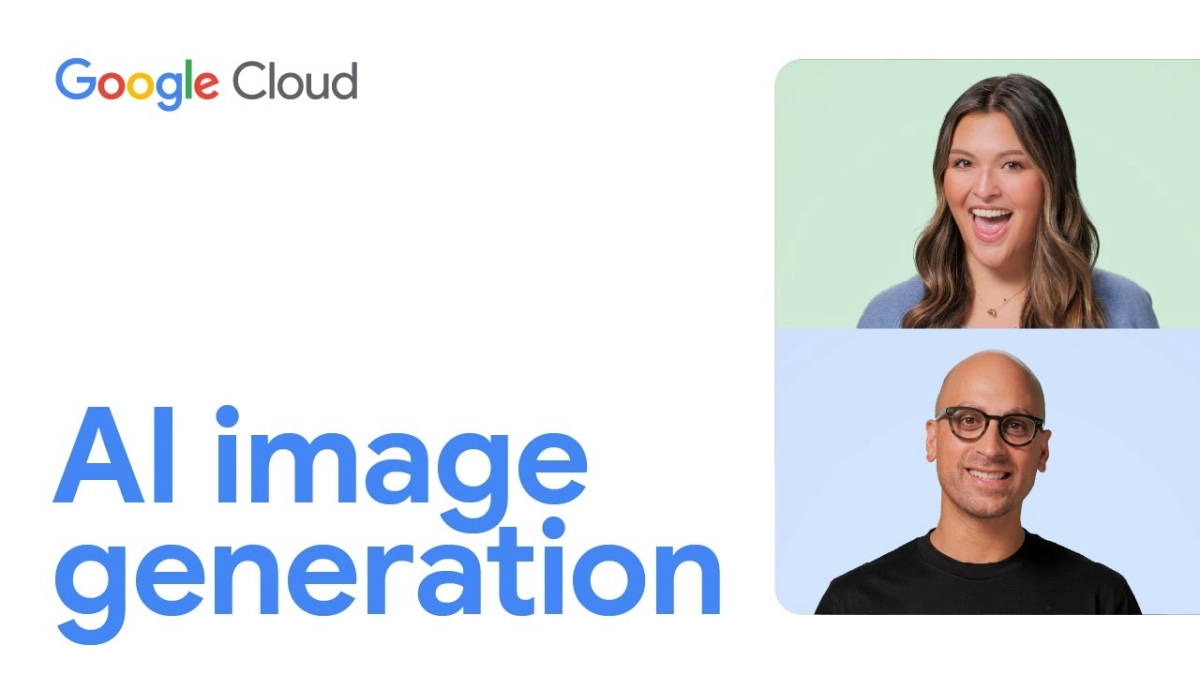
The advent of AI image generation represents a pivotal shift in how visual content is conceived and produced, fundamentally altering creative workflows across industries. In a recent Google Cloud Tech presentation, Asrar Khan, from Developer Marketing, and Katie Nguyen, a Developer Relations Engineer for Generative Media on Vertex AI, introduced Google Cloud's latest innovation in this rapidly evolving domain: the Gemini Image model, affectionately dubbed Nano Banana. Their discussion centered on the model's capabilities, practical applications, and best practices for leveraging its multimodal prowess to synthesize high-impact visuals from text prompts.
At its core, AI image generation is the process of creating entirely new images from textual descriptions. Google Cloud’s Gemini Image model, or Nano Banana, stands out as a "highly flexible, natively multimodal model that leverages the same world knowledge as Gemini," according to Katie Nguyen. This deep integration with Gemini's expansive understanding grants Nano Banana an extraordinary capacity for contextual interpretation, ensuring remarkable consistency even when tackling complex creative edits. The model's multimodal nature allows it to process and respond to both text and visual inputs, making it a versatile tool for a wide array of content creation needs.

A key insight presented is the profound impact of prompt optimization on the quality and specificity of generated images. Simple prompts yield results, but granular details are paramount for achieving precise creative control. Katie demonstrated this by refining a generic prompt like "a cute 3D cartoon penguin on a paddle board" into a more descriptive request: "A cute cartoon penguin wearing a tiny brown sun hat is standing on a bamboo paddle board, mid-paddle stroke." This level of detail ensures the AI understands not just the subject, but also its attire, activity, and environment, resulting in a far more accurate and aesthetically pleasing output. This meticulous approach to prompting is not merely a technicality; it is a critical skill for innovators and creators seeking to harness AI's full potential, transforming vague concepts into concrete visual assets.
The presentation showcased two primary methods for utilizing Nano Banana. First, the generation of standalone images, illustrated through a character storyboard exercise. Users could quickly produce diverse cartoon characters—a robot in a desert, a penguin on a paddleboard, or a cactus in a cozy cafe—each tailored to specific creative briefs for an ad campaign. This rapid prototyping capability dramatically compresses the ideation phase, allowing creative teams to visualize and iterate on concepts with unprecedented speed. For founders and marketing professionals, this means accelerated campaign development and reduced costs associated with traditional graphic design.
The second, and arguably more transformative, application is the generation of combined text and image outputs. This functionality allows users to create rich, instructive content where visuals are seamlessly interleaved with explanatory text. Katie exemplified this by generating a three-step tutorial on "how to thread a sewing needle," complete with titles, explanations, and corresponding images for each step. This capability highlights Nano Banana's potential to revolutionize educational content, technical documentation, and complex instructional guides by providing clear, visually supported explanations. It represents a significant leap for businesses aiming to create engaging and easily digestible instructional materials, from product manuals to training modules.
Related Reading
- Google Cloud's Gemini Image Redefines AI-Powered Creative Workflows
- Google's AI Stack Redefines the Race
- Google's AI Resurgence Rattles OpenAI's Dominance
The strategic value of Nano Banana extends to a broad spectrum of use cases, as highlighted by Asrar Khan at the outset of the video. Beyond creative prototyping and ad creation, the model is foundational for virtual staging, enabling real estate or e-commerce businesses to generate realistic product placements and interior designs without physical setups. The ability to generate high-quality visuals alongside deep contextual understanding accelerates everything from creative storyboarding to instructing. This efficiency gain translates directly into competitive advantages for startups and established enterprises alike, allowing them to bring ideas to market faster and communicate more effectively.
Ultimately, Google Cloud’s Gemini Image model, Nano Banana, underscores the growing imperative for multimodal AI capabilities. Its capacity to understand and generate content across text and image modalities offers a powerful toolkit for creative professionals and developers. The model provides high-quality visuals alongside deep contextual understanding, accelerating diverse applications.