

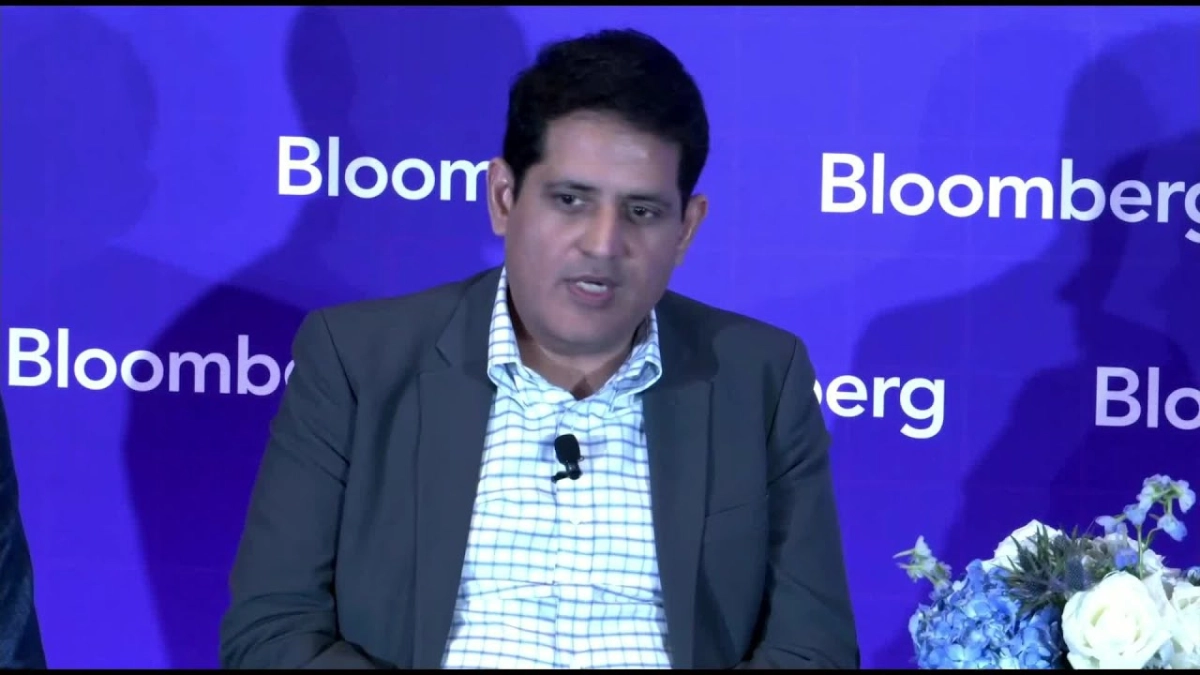
“The near-term is over-stated and the long-term is under-stated from an impact perspective,” observed Willem Avé, Global Head of Product at Square, encapsulating the prevailing sentiment around artificial intelligence in enterprise. This insight set a pragmatic tone for a Bloomberg Tech panel discussion at the Empowering Business Growth in the Digital Economy event in San Francisco, where Avé, alongside Nilesh Dusane of Amazon Web Services, Madhav Thattai of Salesforce, and Julie Gonzalez of Workday, engaged with Bloomberg’s AI Reporter Shirin Ghaffary on the transformative power of AI in everyday business operations. The conversation moved beyond the speculative "AI bubble" debate, delving into concrete applications and the nuanced challenges of integrating generative AI at scale.
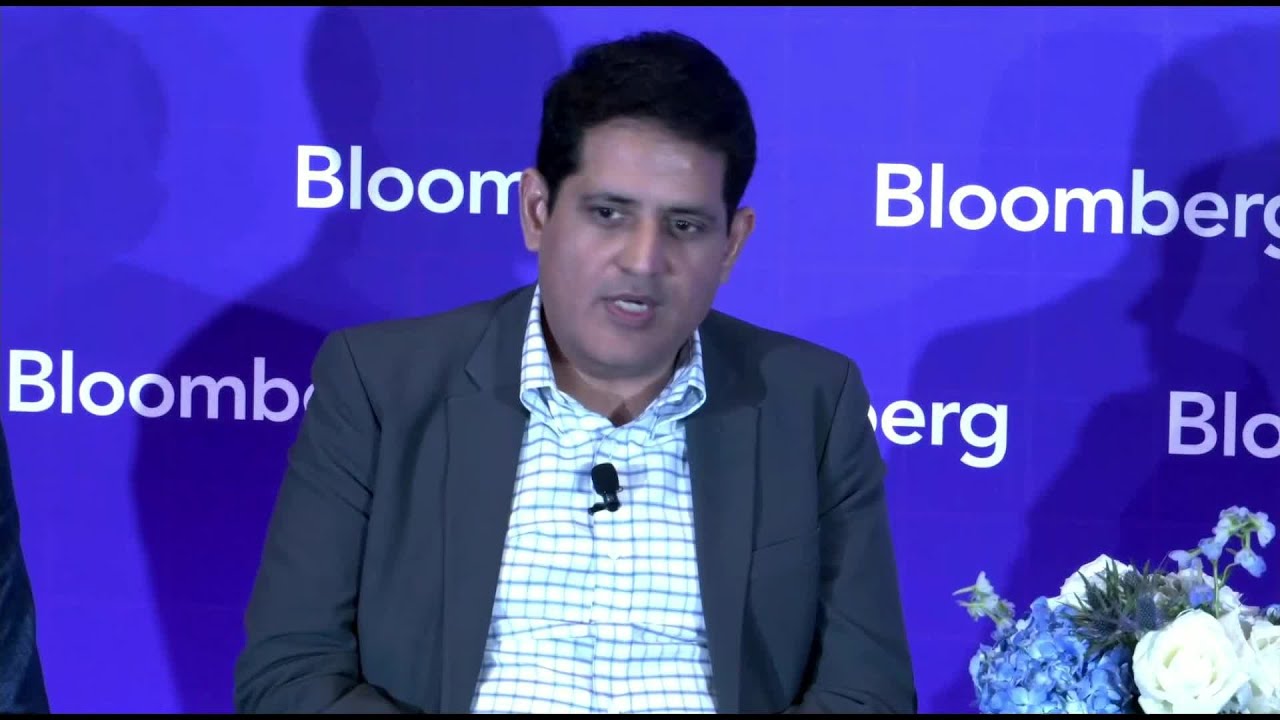
A core insight emerging from the discussion was the critical distinction between traditional AI/machine learning and the more recent advent of generative AI. Nilesh Dusane, Global Head of Institutional Payments at Amazon Web Services, highlighted that while financial services have leveraged traditional AI/ML for years, generative AI, in its two to three years of prominence, is fundamentally changing the landscape in three key areas: productivity, risk management, and new value creation. For financial institutions, this translates to improved workflow automation for engineers, real-time decision-making for fraud mitigation through hyper-personalization, and the ability to build scalable, tailored customer experiences. This personalization is a significant leap, moving from generic alerts to in-context, specific messages that proactively identify unusual patterns and reduce losses.
For small businesses, often resource-constrained, AI offers a transformative agent. Willem Avé emphasized that these businesses are perpetually short on time. Providing them with AI-powered tools that offer insights or act as autonomous agents can be "game-changing." He cited Square's AI voice ordering product, which addresses post-COVID staffing shortages in restaurants, effectively acting as an "additional employee." This underscores a second crucial insight: AI’s most profound impact often lies in augmenting human capabilities and filling critical gaps, rather than simply replacing existing roles.
However, the path to widespread enterprise AI adoption is not without its complexities. Madhav Thattai, SVP & COO of Agentforce Product at Salesforce, noted that while Salesforce has seen significant traction, with over half a billion in AI ARR and 18,000 customers moving from pilot to production, the use cases are still evolving. The initial focus is on straightforward tasks, with a gradual progression towards more complex autonomous actions. A paramount concern, especially in regulated sectors like finance, is the need for AI to be trustworthy, secure, and compliant, ensuring it doesn't "hallucinate" but rather behaves consistently and accurately.
The integration of AI also necessitates a rethinking of existing processes and organizational structures. Julie Gonzalez, SVP of Financial Planning & Analysis at Workday, stressed that "interoperability is so core to how we're thinking about agentic." She highlighted the necessity of ensuring AI agents have the right data and context to make sound decisions, always with a "human in the loop" for critical people and money-related processes. Workday's approach involves co-development with product teams, focusing on desired business outcomes rather than merely automating existing, potentially inefficient, processes. This means moving beyond making a process faster to fundamentally "unlearning what we've done over the past 20 years" and taking a completely different lens on how business outcomes should be achieved.