


“Terminal, interestingly, is actually the perfect form factor for an LLM because you're giving text in, you're getting text out, and it's just so native to how you think about using like a command-line interface.” This insight from Meaghan Choi, Design Lead for Claude Code at Anthropic, encapsulates the core philosophy behind their latest developer tool. In a recent discussion with Alex Albert, who leads Claude Relations, Choi illuminated the design principles, evolutionary trajectory of the terminal, and the transformative potential of agentic coding embedded within familiar developer workflows.
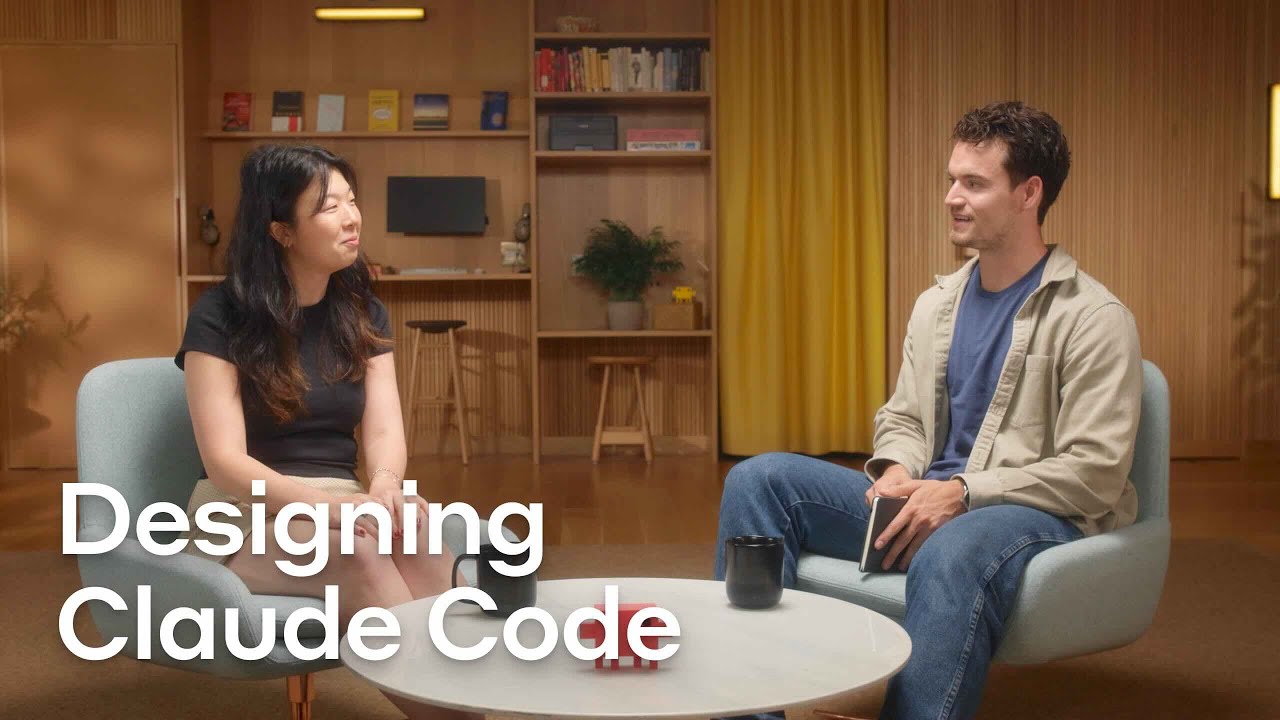
The conversation between Anthropic’s Meaghan Choi and Alex Albert offered a deep dive into the strategic design decisions that shaped Claude Code. Their dialogue explored how the command-line interface (CLI), a foundational yet often overlooked component of software development, is being reimagined to harness the power of large language models (LLMs). This innovative approach aims to seamlessly integrate AI assistance directly into the developer’s native environment, streamlining processes and fostering a new paradigm of human-AI collaboration.
The initial decision to build Claude Code within a CLI was driven by its inherent versatility and ease of use for rapid prototyping and iteration. A terminal is a ubiquitous component of every developer’s toolkit, regardless of whether they primarily use an integrated development environment (IDE) or a text editor like Vim. This allows Claude Code to integrate directly into existing workflows without demanding the adoption of entirely new tools.
Terminals, as Choi highlighted, were the first user interfaces, text-only and requiring precise commands, a truly "super-powered tool." While the industry evolved towards rich, animated web interfaces, the advent of LLMs surprisingly brought interaction full circle, back to simple text-based chat. This convergence, where text input yields text output, makes the terminal an ideal medium for LLMs, effectively removing the need for many UI abstractions previously deemed essential.
This shift marks a significant evolution in the developer workflow, moving beyond the cumbersome cycle of copying code from a web interface, pasting it locally, and manually applying edits. Alex Albert recounted his own experience of this process, noting that Claude Code eliminates this friction by going "straight from the prompt to the direct edits on the file." The product’s design directly addresses the need for a more integrated and efficient interaction model.


