

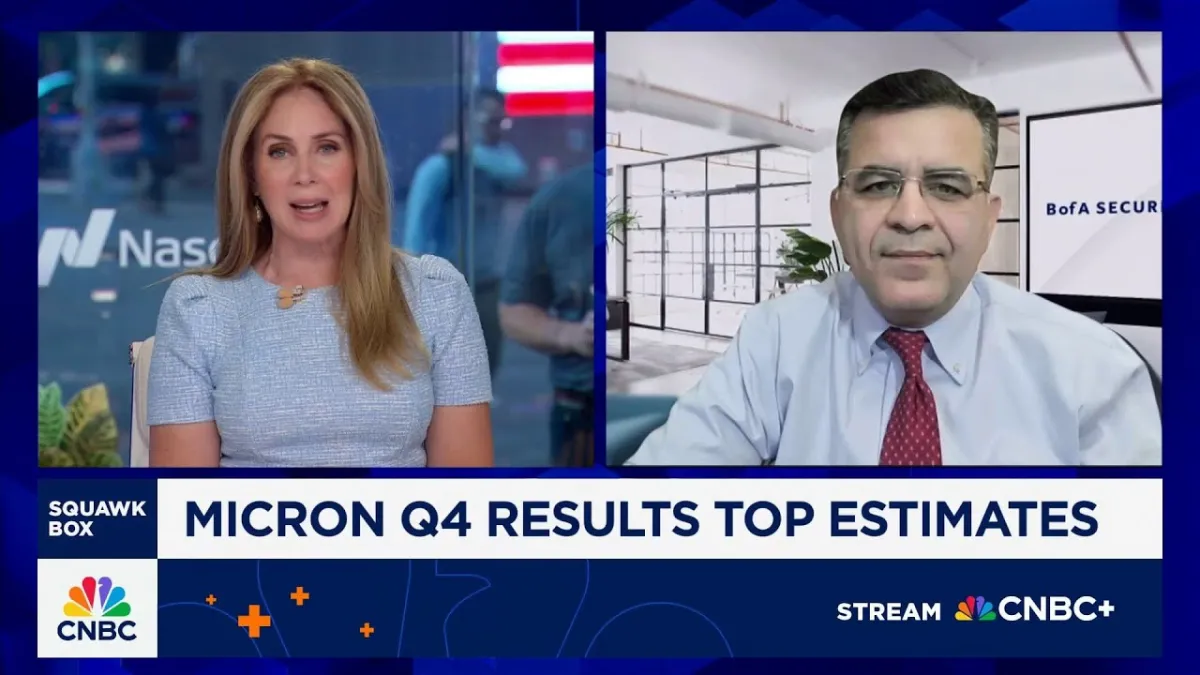
Artificial intelligence is not merely a fleeting trend but an infrastructural transformation, profoundly reshaping the semiconductor landscape for years to come. This was the central thesis presented by Vivek Arya, Bank of America Securities senior semiconductor analyst, during a recent appearance on CNBC's Squawk Box. Arya spoke with interviewer Becky Quick about Micron's quarterly earnings results, the broader state of the chips sector, and the long-term implications of AI on semiconductor demand. His analysis underscored that while memory companies are benefiting, the true champions of this new era are those integrating silicon with software and scale.
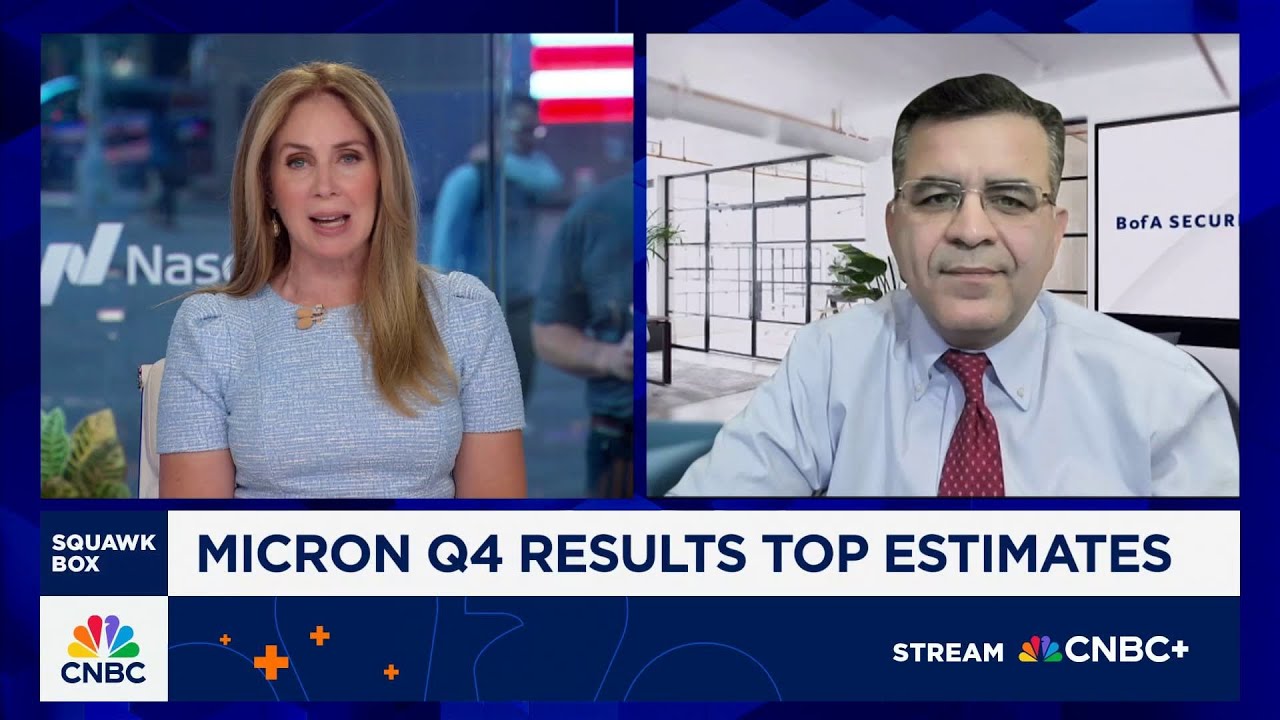
Arya highlighted that Micron’s strong earnings, with shares nearly doubling year-to-date, serve as a "very positive indication for the sector because memory is so pervasive in every piece of electronics." He elaborated that this surge is part of an enduring infrastructure cycle, drawing parallels to the 4G investment boom that lasted over a decade. "Past infrastructure cycles have lasted 10 to 15 years," Arya noted, explaining that the current AI investment phase is still in its nascent stages, roughly its "first, you know, third year." This perspective suggests a sustained period of growth, rather than a short-lived spike, driven by continuous innovation and adoption across data centers, PCs, smartphones, and industrial and automotive applications.
However, not all semiconductor players will reap rewards equally. While memory demand remains robust, Arya suggested a more nuanced view for investors. His preference leans towards companies that offer integrated solutions rather than pure-play memory providers.
"The names we like the most are Nvidia and Broadcom," Arya stated, also mentioning indirect beneficiaries like Lam Research, KLA, and Cadence Design Systems. He maintained a neutral stance on Micron, acknowledging its current strength but pointing to the inherent volatility in memory pricing. Unlike the more predictable demand for memory, its pricing is heavily influenced by supply dynamics, making long-term predictions challenging.
The real differentiator in the AI ecosystem, according to Arya, lies with companies capable of combining "silicon and software and scale and a complete supply chain." This holistic approach allows for greater monetization of the AI build-out. Nvidia, in particular, stands out in this regard, offering extensive developer support alongside its hardware. This integrated strategy positions them to capture a disproportionately large share of AI equipment spending.