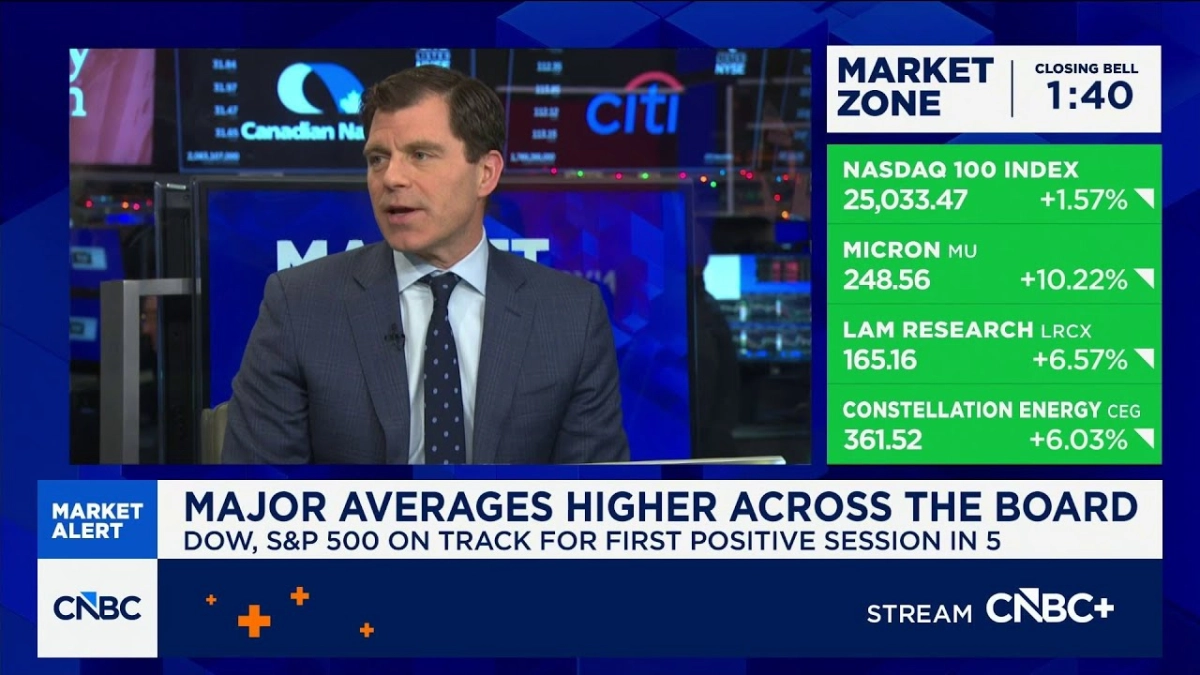
The artificial intelligence trade, while still a long-term narrative of immense potential, is experiencing a crucial repositioning phase. This was a central theme discussed by CNBC's senior markets commentator Michael Santoli in a recent segment, where he offered a nuanced perspective on current market dynamics, emphasizing that what appears as economic anxiety might, in fact, be a healthy recalibration away from overly concentrated AI bets. His commentary highlighted Micron’s recent performance as a significant factor in easing some of the immediate pressure on the AI sector, providing a much-needed exhale for investors.
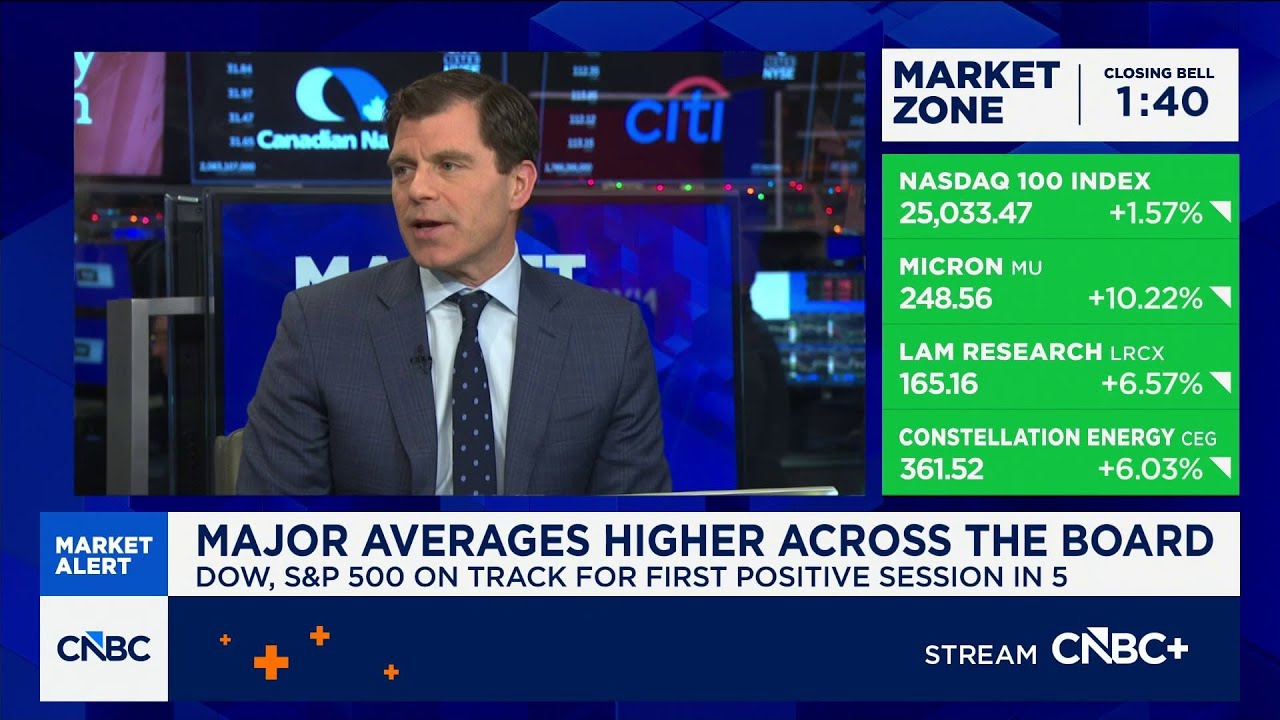
Santoli, speaking with a CNBC anchor on the "Market Zone" segment, delved into his key takeaways from the day's market action, particularly focusing on the tech sector and the broader S&P 500. He observed a market that, after a blistering six-month run for tech and AI stocks from April to October, is now entering a period of consolidation, marked by a shift in investor focus. This current stall phase, as he termed it, is not necessarily indicative of widespread economic anxiety, but rather a strategic re-evaluation of portfolios.
A core insight Santoli underscored is the market’s subtle shift from a "crowded AI" trade. Investors, having heavily weighted their portfolios towards AI-centric companies, are now diversifying. "It still seems to be a repositioning into… from crowded AI at a time when conviction in the long-term AI story is starting to flag a little bit," Santoli articulated. This doesn't imply a loss of faith in AI's fundamental promise, but rather a realization that the initial, explosive growth might be due for a pause, prompting capital to flow into other, less celebrated sectors.
This rotation is evident in the performance of sectors like banks and industrials, which are showing renewed strength and participation. While tech stocks like Nvidia might bounce a modest two percent, they are often returning to price levels seen months prior, suggesting a lack of sustained upward momentum in the immediate term. Santoli pointed out that it becomes "tough for the index to find its way higher when it's been this kind of low momentum phase." This indicates that while the overall market may still be trending positively year-to-date, the leadership is diversifying, and the relentless upward trajectory of the AI giants is being tempered.
The market's current behavior reflects a period of consolidation, not collapse. Despite some frustration among investors, the broader indices, like the S&P 500, remain up significantly year-to-date, following two years of robust 20% gains. This suggests that while the pace has slowed, the underlying health of the market is not in question.