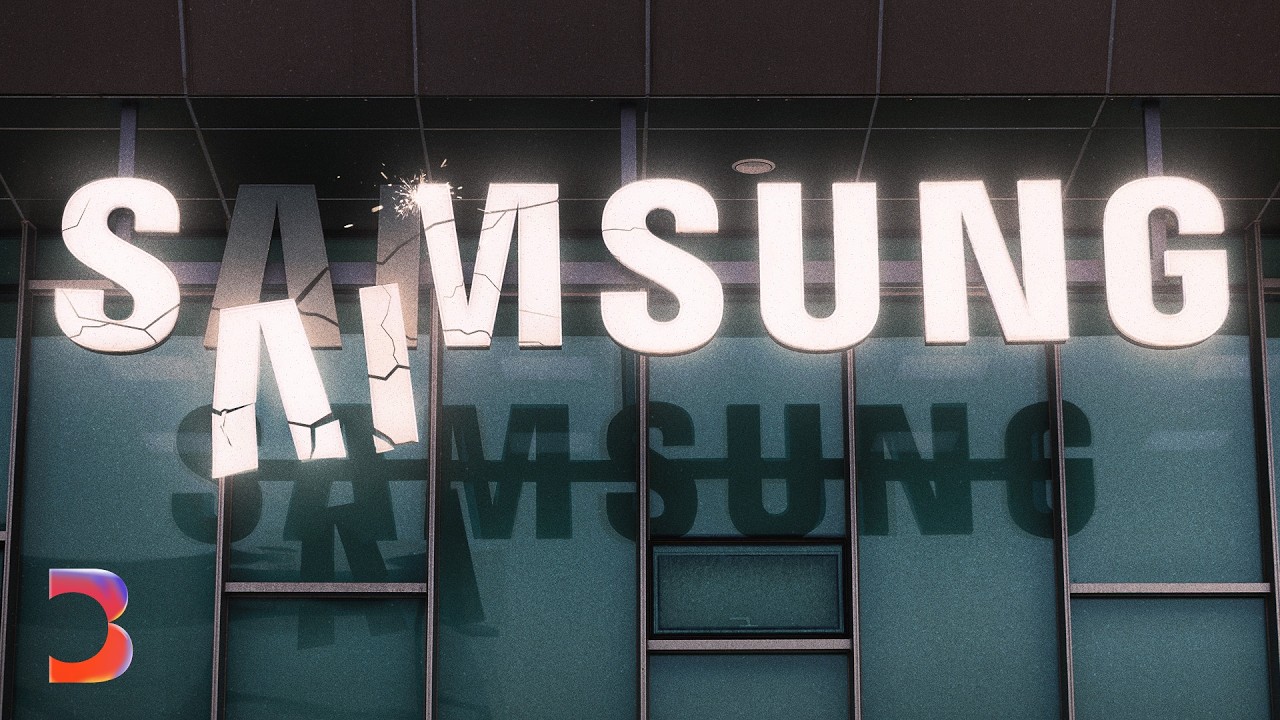
For decades, Samsung has reigned supreme in the memory chip market, but now a smaller rival, SK Hynix, has surged past, leaving the tech giant playing catch-up in the burgeoning AI race. "Samsung is under assault from all sides, and they are getting stretched thin," asserts Geoffrey Cain, author of "Samsung Rising," highlighting the multifaceted challenges the company faces.
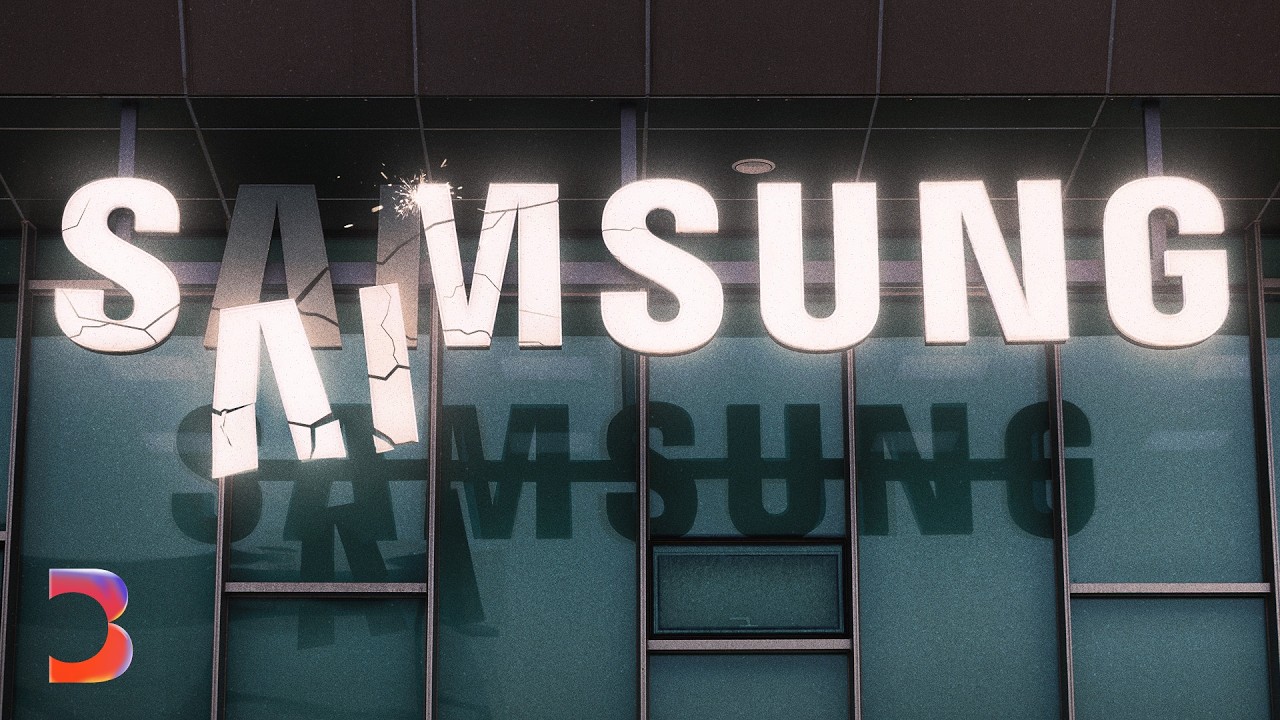
The video, "How Samsung Missed the AI Moment," features Cain alongside Ian King, Senior Reporter at Bloomberg News, and Yoolim Lee, Senior Reporter at Bloomberg Ne, discussing the South Korean titan's struggle to maintain its dominance in the face of rapidly evolving AI technology. The commentators analyze that the company's reliance on legacy electronics is its biggest weakness.
The semiconductor division has traditionally driven Samsung's profits, accounting for 50-70% of the company's earnings. However, a critical misstep occurred in the high-bandwidth memory (HBM) sector, essential for AI applications. As Lee notes, "At the time, it wasn't clear what it was going to be needed for." This delayed investment allowed SK Hynix to seize a significant lead.
The impact is palpable. SK Hynix secured a major contract with Nvidia, the world's largest maker of AI chips. "SK landed the contract with Nvidia," states Cain, underscoring the magnitude of the loss for Samsung. In fact, SK Hynix is providing about 20% of Nvidia's cost of goods sold, whereas Samsung is at 1%, according to the same analysis.
The situation has reached a critical point, with Samsung executives issuing rare apologies for profit misses. Yet, there's a glimmer of hope on the horizon. The company is now actively pursuing next-generation HBM4 technology, aiming to regain its competitive edge. The company said its custom HBMs have been drawing great interest from the industry.