

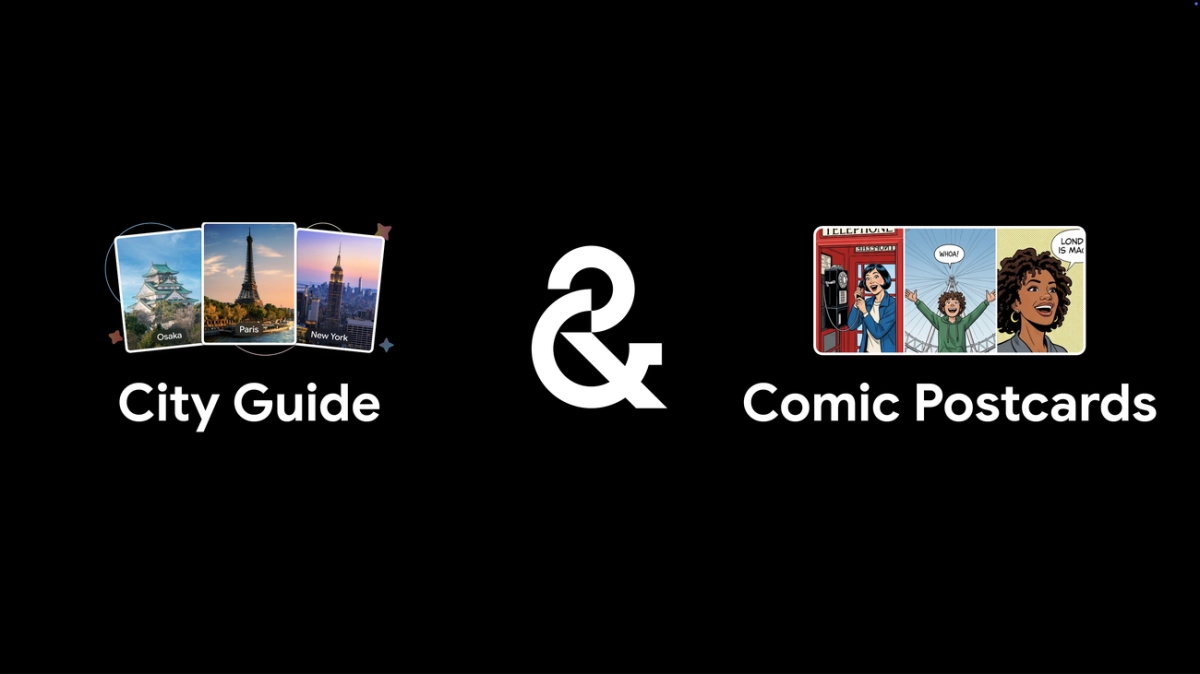
Google Arts Culture AI is shifting its focus from archiving history to actively curating the present travel experience. The platform recently launched two experimental features, City Guide and Comic Postcards, designed to move beyond basic travel logistics and spark genuine cultural inspiration. This move signals a strategic pivot toward dynamic personalization, leveraging deep cultural data to challenge traditional, static travel directories. According to the announcement, the goal is to make users feel like the main character in their exploration.
The City Guide pilot, launching in 11 major global cities, is the most significant feature for industry disruption. By allowing users to filter recommendations based on specific interests, from Visual Arts to Hidden Gems, and real-time schedules, Google is offering a hyper-relevant alternative to generic lists of landmarks. Crucially, the "Show live events only" option integrates fleeting cultural moments, demonstrating how AI can transform a static database into a living, adaptable itinerary. This capability positions Google Arts Culture AI as a direct competitor to traditional guidebooks and event aggregators.
The Generative AI Pivot in Cultural Tech
The introduction of Comic Postcards showcases Google’s commitment to integrating generative AI into consumer-facing memory creation. This feature uses a user’s selfie, mood, and preferred art style to cast them as the protagonist in a city-specific comic strip. While seemingly playful, this is a sophisticated application of GenAI designed to increase user engagement and shareability, turning a simple travel photo into a personalized, narrative artifact.
Beyond the novelty, Comic Postcards cleverly embeds educational value, teaching users about the selected art style during the generation process. This blending of personalized entertainment and subtle art history instruction is a hallmark of Google Arts Culture AI’s mission. It proves that generative models can be used effectively not just for creation, but for contextual learning and making cultural appreciation accessible.
Ultimately, these experimental features confirm that the Arts & Culture platform is becoming a critical sandbox for Google’s high-quality, niche AI applications. By focusing on inspiration and personalized narrative rather than just efficiency, Google is setting a new standard for how technology can mediate cultural exploration. This approach ensures that future AI tools will prioritize deep user connection and meaningful, memorable experiences over simple information retrieval.