The collaboration between Google and Khan Academy marks a significant pivot in the application of large language models within education. Google Gemini is being integrated across Khan Academy's literacy tools, signaling a move beyond simple content generation toward deep pedagogical guidance. This partnership validates Gemini's capability in high-stakes learning environments, setting a new benchmark for educational AI deployment.
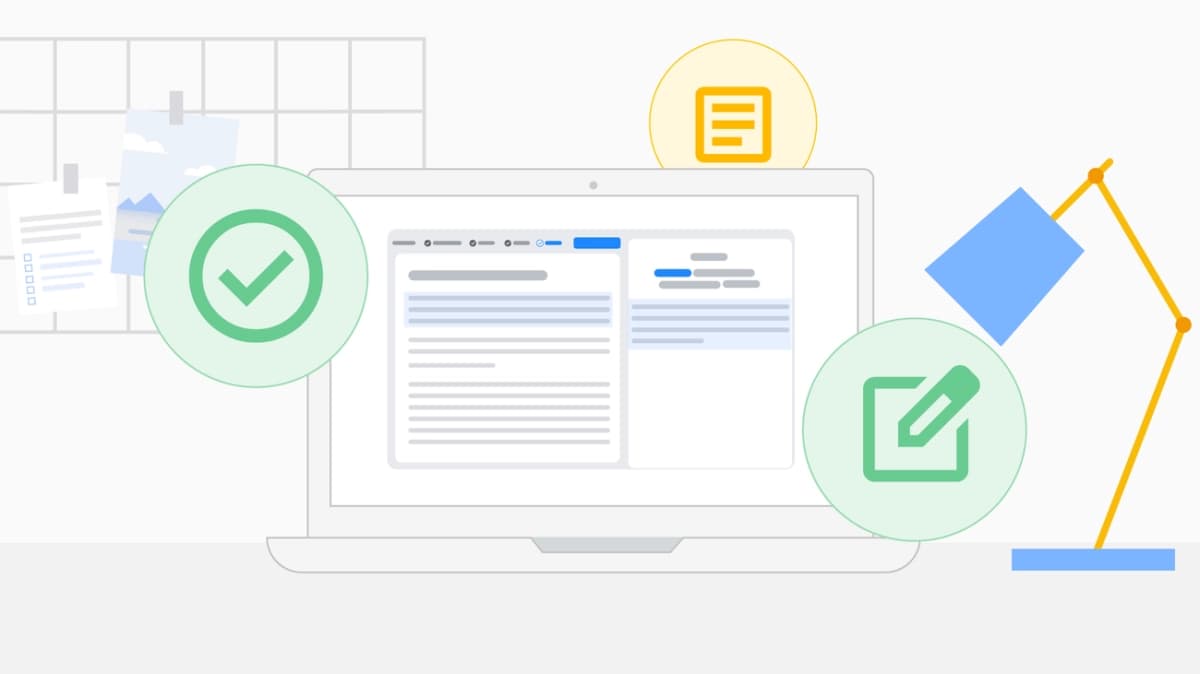
The immediate deployment focuses on Khan Academy's Writing Coach for grades 7-12, with beta testing extending down to grades 5-6. Crucially, the Gemini integration is designed to guide students through outlining, drafting, and refining their work, providing adaptive feedback rather than just generating a finished essay. This strategic choice addresses the core critique of generative AI in schools: the risk of outsourcing cognitive effort. According to the announcement the goal is to ensure the technology is grounded in learning science, focusing on process mastery and clear examples to help students overcome writer's block.
The upcoming Reading Coach, slated for later this year, extends this guided approach to comprehension for students in grades 5-12. Gemini will analyze student interaction with customized texts, asking targeted questions to gauge understanding and ensure deep comprehension. This functionality transforms the AI from a simple tutor into a powerful diagnostic tool, providing teachers with granular, class-level insights and recommendations that inform instruction.
AI Coaching for Human Tutors
Perhaps the most innovative application is within Schoolhouse.world, the nonprofit peer-to-peer tutoring platform co-founded by Sal Khan. Here, Gemini is not coaching students directly but rather coaching the human tutors themselves. Schoolhouse is launching an AI session simulator that allows tutors to practice complex scenarios with a range of virtual student profiles before they ever meet a real learner. This use case demonstrates a sophisticated understanding of AI's role: enhancing human-to-human connection and improving session quality without replacing the essential interaction.
This Google Gemini Khan Academy integration provides immediate, massive scale for Google's models within a trusted, nonprofit framework. For the broader EdTech industry, this partnership establishes a clear expectation that future AI tools must prioritize rigorous pedagogical design over flashy features. The emphasis on adaptive feedback and diagnostic data collection signals the maturation of educational LLMs from experimental chatbots into essential classroom infrastructure.
The Google Khan Academy collaboration is less about a new product and more about defining the ethical and functional boundaries of AI in learning. By focusing on guiding the learning process and supporting human educators, Google is positioning Gemini as a responsible, high-utility partner in the classroom. The success of these tools will determine how quickly other major educational institutions adopt similar deep, process-oriented integrations.